
How to Start a Garden (Beginner Guide)
Starting a garden comes down to four decisions: where it will live, what you will grow, what will hold the plants, and how you will water them. Get those four right and the rest of the season takes care of itself.
Think of what follows as a map that points you toward the right specific guide for your space, your goals, and the time you actually have. Read in any order, or just follow the path below.

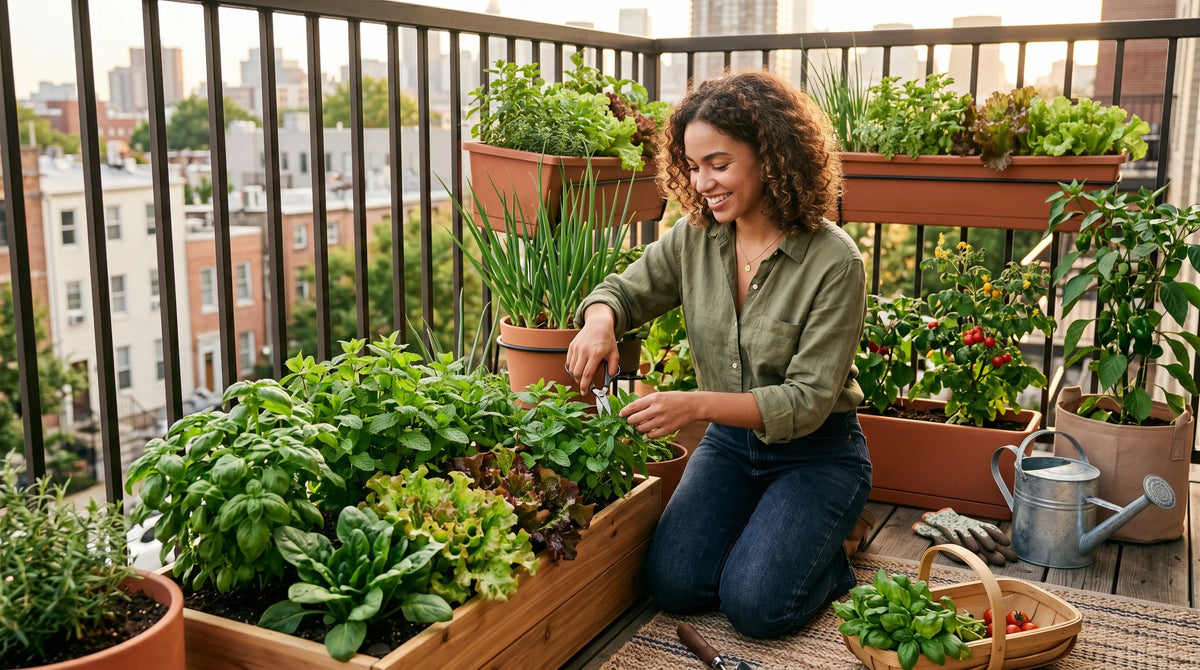
One pot, one crop, one window. A single basil plant in a sunny kitchen is already a garden. Start there and add as you learn. Almost every gardener you know started with one container.
Right light, right water, right medium, right rhythm. Plants are forgiving when the four basics are met and unforgiving when they are not. Gear matters less than the habits.
Where will your garden live?
The right path depends on what you have. Pick the closest match and we will point you at the specific guide for that setup.
Windowsill, kitchen counter, a sunny spot near a window. Year-round growing, smaller scale, mostly herbs and leafy greens.
Indoor guideBackyard, side yard, raised bed, or in-ground plot. Seasonal growing, larger scale, the full range of vegetables.
Outdoor guidePots on a balcony, patio, deck, or steps. Flexible, portable, and the easiest way to control the medium and watering.
Container guideNo yard, limited light, and possibly a lease that limits what you can do. A different set of constraints with its own playbook.
Apartment guideWhat plants actually need.
Every edible plant in the world wants the same four things. When something is going wrong, the cause is almost always one of these four.
Every edible crop wants real light. A south-facing window is the easiest indoor source. For the rest, a small LED grow light covers what the window misses.
Skip the schedule. Check the medium with a finger or by lifting the pot. Light pot equals dry plant. Heavy pot equals enough water for now.
Whatever holds the roots is the most important purchase you will make. Coir is the most forgiving choice for first-time growers, indoors or in containers.
Most home gardens are already in this range. The exceptions are cold drafts near windows in winter and hot south-facing balconies in midsummer.
The space you already have is the right space.
Most home gardeners over-plan the location. The truth is the best garden is the one in the spot you walk past every day. A windowsill you see while making coffee will get checked. A backyard plot at the far end of the lot will not.
Start with the brightest spot in your home or yard that you already pass through. A south or west-facing window indoors. A balcony with at least four hours of direct sun. A corner of a patio that gets morning sun. If you have a yard, the strip closest to the kitchen door wins over the strip behind the shed.
The fancy answer is to measure light with a meter. The practical answer is to watch the spot for two days. If the sun hits it for four hours, leafy greens and herbs will thrive there. Six hours opens up tomatoes and peppers. Less than four, plan on adding a grow light or picking a different spot.

Pick what you actually eat.
The single most common reason gardens stop being fun is growing the wrong things. People pick what looks impressive on Instagram, then end up with a glut of vegetables they would not normally buy. A garden that produces what your kitchen actually uses is the kind that keeps producing.
Start with two or three crops. For a beginner indoor or container setup, basil, lettuce, and green onions are nearly impossible to fail with. For outdoor beds, add cherry tomatoes and one pepper variety. If you cook a lot of Italian food, focus on tomatoes, basil, and oregano. If you eat a lot of salads, lean into leafy greens.
The point is not maximum yield. The point is regular harvest. Three crops that produce twice a week beat ten crops that produce once a season.

The medium is the most important purchase.
A pot or a bed is just a container. The thing inside it is what the roots actually live in, and it decides almost everything that happens next. Compacted soil suffocates roots. Bone-dry soil starves them. The middle is what plants want, and most home growers have to buy that on purpose.
For indoor and container growing, buffered coconut coir is the most forgiving choice. It holds water and air at roughly equal parts, which is what roots want. It rehydrates from a compressed brick, so storage is easy. It is pH-neutral out of the bag.
For outdoor in-ground gardens, native soil with compost and a top-dressing of mulch is the right answer. Save the coir for containers and starts.

Picking the right scale for you.
Both work. Each suits a different set of constraints. Read the row that matters most to you and lean that way.
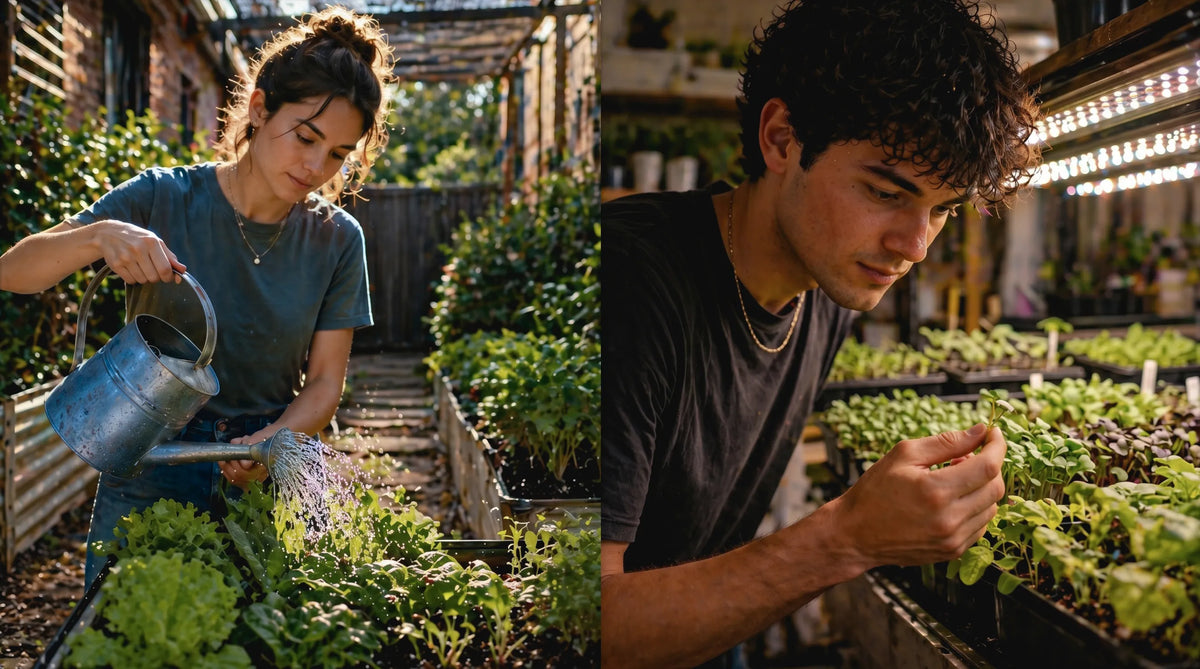
Four traps that derail first-time gardens.
Each one is a habit, not a hardware problem. Catching them in week one saves the season.
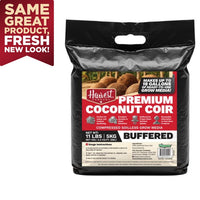
Triple-washed, low EC, pH-neutral. One brick rehydrates into about 75 liters of usable medium. The default starting point for any container garden.
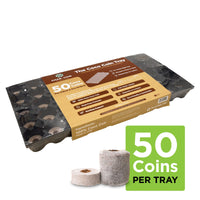
A 50-cell propagation tray with pre-filled coir plugs. Skip the brick-soaking and start with even moisture across every cell.
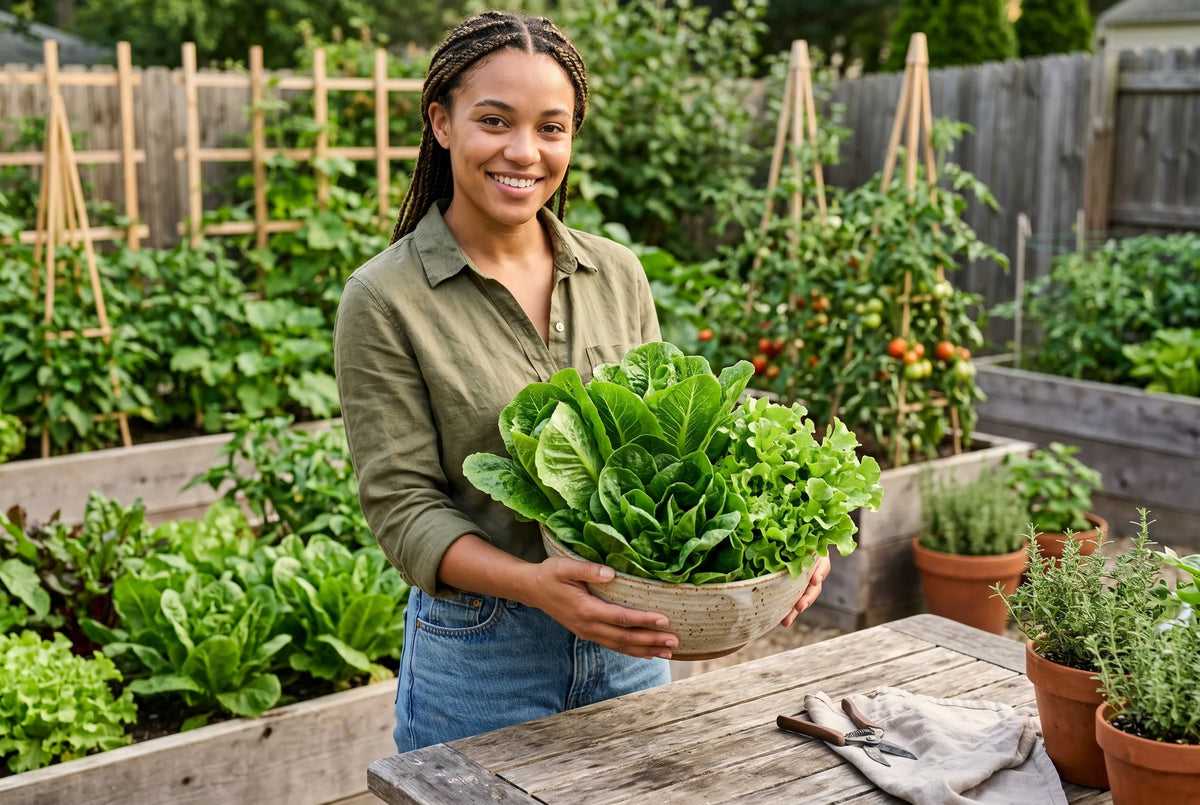
A garden you walk past every day is a garden that gets harvested. The right spot is the one you already see.
Six things to remember.
- 01Pick the brightest spot you already walk past. The right location is the one you see daily.
- 02Start with two or three crops, and pick what you actually eat.
- 03The medium decides everything. Buffered coconut coir is the forgiving default for indoor and container.
- 04Water when the top inch dries, not on a schedule.
- 05One pot is a garden. Start small and add as you learn.
- 06The four habits (light, water, medium, warmth) matter more than the gear list.
Questions or notes? Drop them here.
A real grower replies within a business day.
No comments yet. Be the first.