
Outdoor Gardening for Beginners
Outdoor gardening is the seasonal version of growing food at home, where a sunny patch and a real planting season open up the full range of vegetables a kitchen actually uses. The decisions are different from indoor growing, but the four habits are the same.
What follows walks through picking the spot, deciding between in-ground beds and raised beds, getting the soil right, and the crops that reward a first-time outdoor grower most.

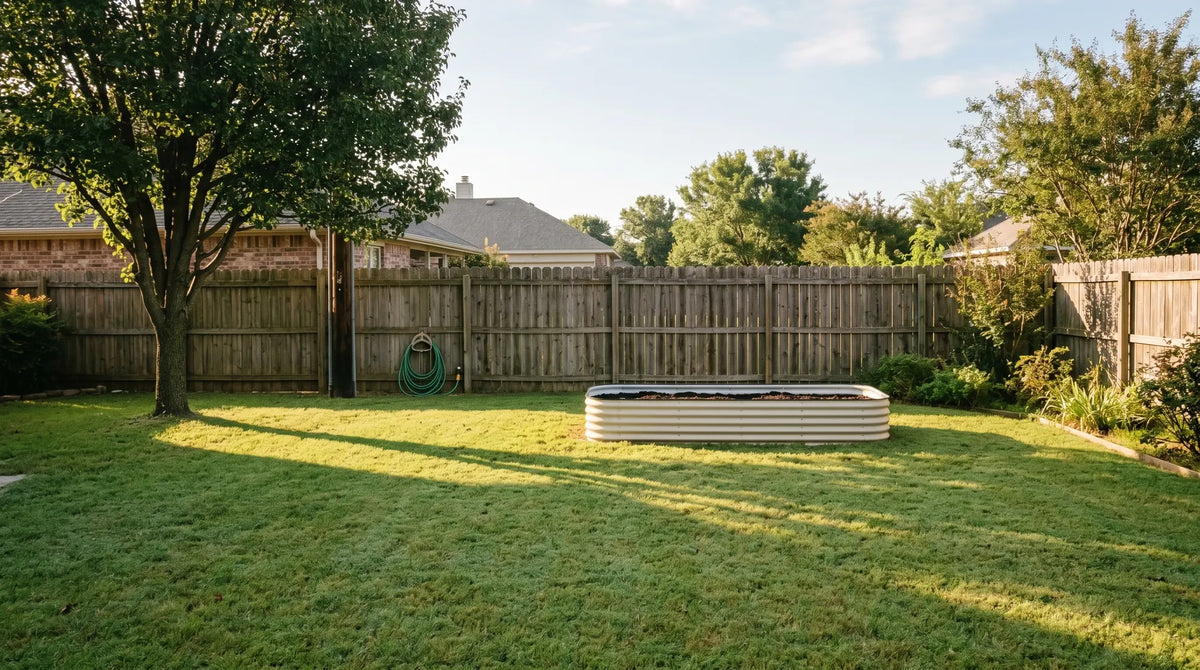
You can fix bad soil. You cannot move the sun. Scout the brightest spot in your yard before deciding bed layout. Six hours of direct light is the threshold for most fruiting crops.
Rectangular beds with neat rows look great and are harder to manage. Square or 4x4 beds reach in from all sides, no walking on the soil. Mature roots stay happier.
What plants actually need.
Every edible plant in the world wants the same four things. When something is going wrong, the cause is almost always one of these four.
Tomatoes, peppers, cucumbers, and squash all want at least six hours of direct sun. Leafy greens and herbs are happier with four to five.
Outdoor roots want to grow down toward water. Light frequent watering keeps them shallow. Deep soaking two or three times a week is the rhythm.
Outdoor in-ground gardens use the soil you have, improved with compost. Mulch the surface to hold moisture and suppress weeds.
Mulch is the difference between a bed that needs daily attention and one that needs weekly attention. Straw, leaves, or wood chips all work.
Three ways to start an outdoor garden.
Each suits a different yard, budget, and time horizon. Pick the closest match.
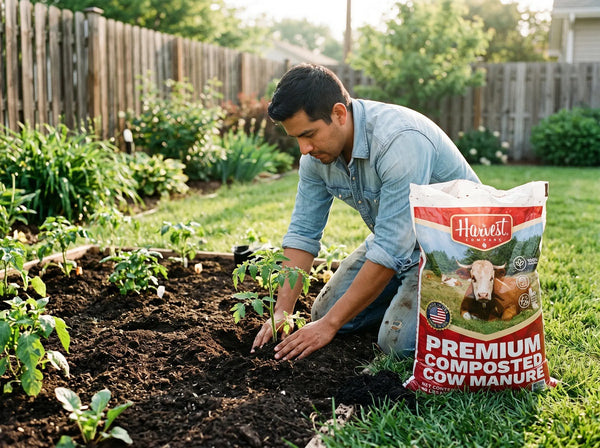
In-ground bed
Mark out a 4x4 or 4x8 patch in the sunniest spot. Loosen the soil, add compost, plant. Lowest upfront cost. Best for yards with reasonably workable soil.
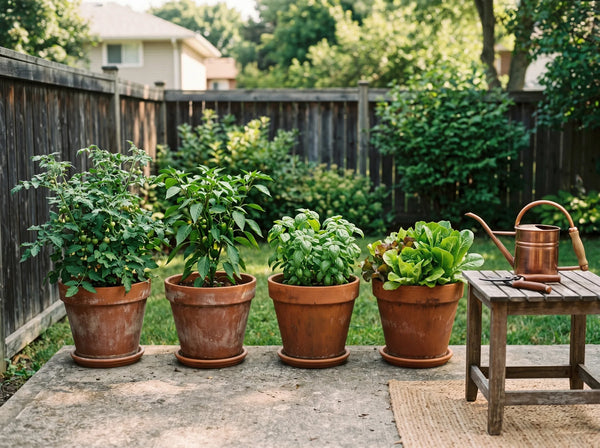
Patio containers
Skip the bed entirely. Five to ten 12-to-18-inch pots on a sunny patio. Portable, no soil prep, easy to manage. The outdoor version of container gardening.
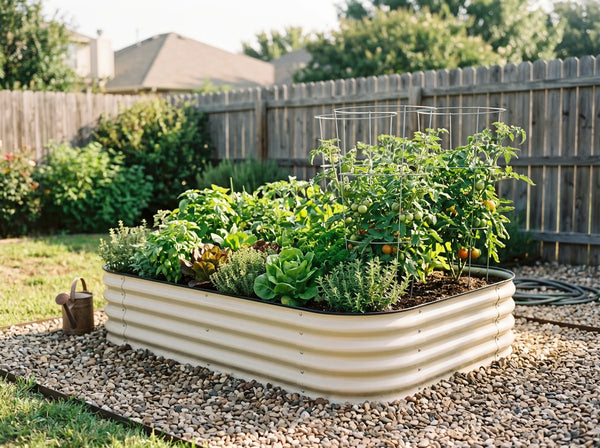
Raised bed
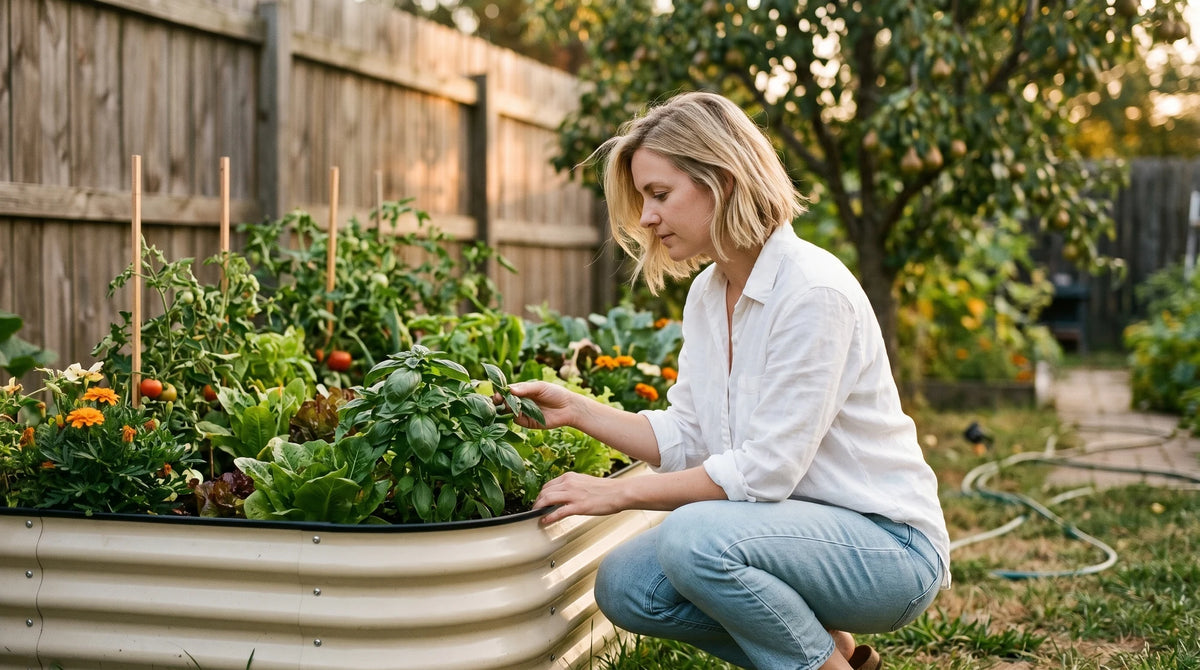
A 4x4 or 4x8 wooden frame filled with quality soil and compost. Higher upfront cost, easier on the back, predictable medium. The most-recommended starter setup.
Find the sun before you build the bed.
Walk the yard at noon on a clear day. Note where the sun actually lands. The spot you remember as sunny in spring is sometimes shaded by a leafy tree in summer. The reverse is also true. The garden bed needs to be in summer sun, not winter sun.
Most edible crops want six or more hours of direct sun. Tomatoes, peppers, cucumbers, squash, beans. Leafy greens (lettuce, spinach, kale) and most herbs tolerate four to five hours. If your yard offers less than four, plan around shade-tolerant crops or supplement with containers in the brightest spots.
A simple test: set a chair in the candidate spot and read for an hour at midday. If the page stays in direct sun the whole time, the spot will support fruiting crops. If shade moves across, lean into leafy crops.

Soil is the work, and the reward.
Outdoor gardens succeed on soil, and a well-built bed grows almost anything while a poorly built one makes every other choice harder. The good news is that soil-building is a one-season effort with a multi-season payoff.
For in-ground beds, loosen the top 12 inches with a fork. Spread two to three inches of compost across the surface. Work it in lightly. Plant. The compost feeds the soil microbes that will feed the plants for the rest of the season.
For raised beds, fill with a 50/50 mix of quality garden soil and compost. Top with two inches of mulch after planting. The bed will settle a few inches in the first year; top up with more compost each spring.

Deep and infrequent, mulched all season.
Outdoor watering looks different from indoor. The goal is to soak the bed deeply, then let the top inch dry before the next watering. Roots respond by growing down toward the deeper moisture, which makes the plant more drought-tolerant and more vigorous.
Most outdoor home beds want about an inch of water per week, counting rainfall. In hot weeks, two waterings of half an inch each. In cool wet weeks, sometimes nothing for ten days. Skip the daily sprinkle.
Mulch is the multiplier. Two to three inches of straw, leaves, or wood chips holds moisture, suppresses weeds, and keeps soil temperature even. Apply after planting, when the soil is already moist. Top up midseason if it thins.

Picking the right outdoor setup.
Both produce well. The difference is upfront cost, soil control, and physical comfort.
Four outdoor traps worth avoiding.

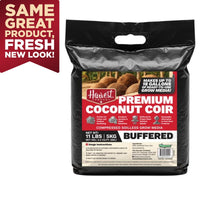
For outdoor containers, raised-bed amendments, and seedling starts. One brick yields about 75 liters of usable medium.
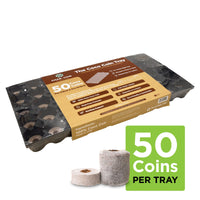
Start seedlings indoors before transplant time. A 50-cell tray of pre-filled coir plugs.
The garden is built in the soil, not in the bed. Spend the first season on soil and the second season takes care of itself.
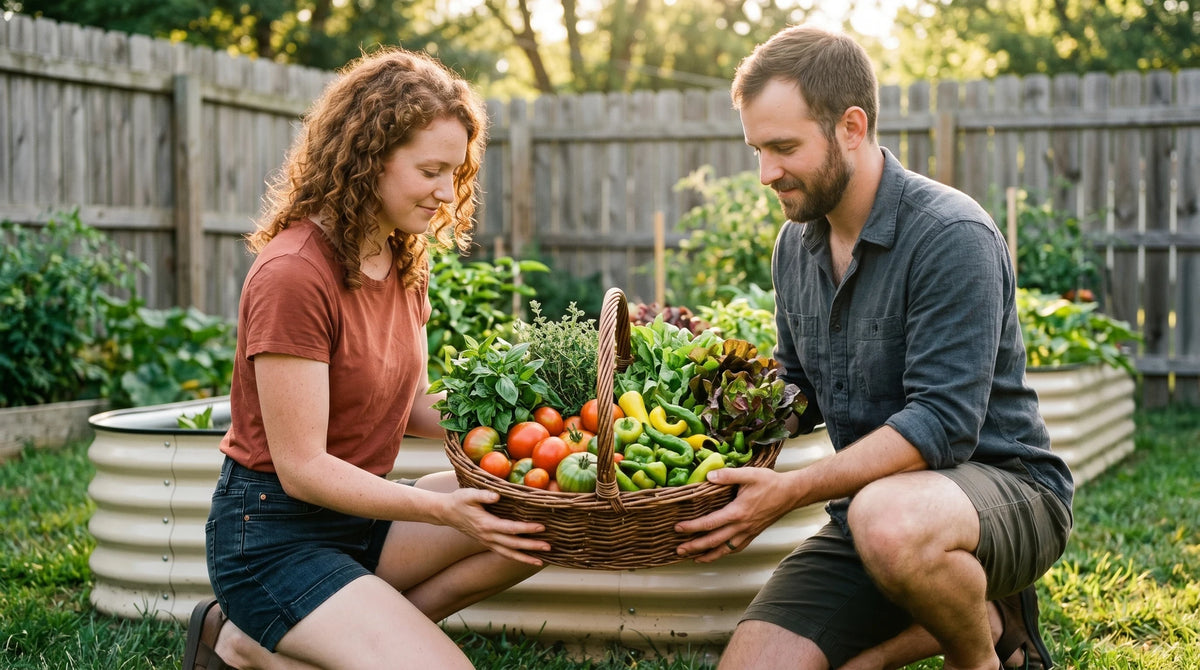
Six things to remember.
- 01Six hours of direct sun is the threshold for most fruiting crops. Scout the spot before you build.
- 02Soil is the work. Compost in the first season pays back for seasons after.
- 03Raised beds for a clean start, in-ground for the lowest cost.
- 04Water deeply, two or three times a week. Skip the daily sprinkle.
- 05Mulch is the single biggest moisture-and-weed-control move you can make.
- 06Plant after the last frost, with two weeks of warm nights to be safe.
Questions or notes? Drop them here.
A real grower replies within a business day.
No comments yet. Be the first.