
How to Grow Food at Home: A Beginner's Guide
Growing your own food at home is mostly about getting a few things right at the start: the right media so roots have somewhere to go, water on a rhythm that fits your life, a spot with enough light, and a handful of plants that match your space. Get those four right, and a corner of your home becomes a working garden.
If you have planted things and watched them go, you are in good company, because the first basil is part of how almost everyone learns. The Harvest Company carries the gear and the guidance for any home garden, from a windowsill of herbs to a backyard raised bed to a small greenhouse.

What plants actually need.
Every edible plant in the world wants the same four things. When something is going wrong, the cause is almost always one of these four.
Energy from the sun, or from a steady grow light overhead. Leafy greens and herbs are happy on a bright windowsill. Anything that fruits wants a grow light to back up the window indoors.
Consistent moisture, not constant moisture. Feel an inch down before watering again. Overwatering is the most common beginner pattern, because the surface dries before the root zone does.
Air around the leaves builds strong stems and prevents the kind of damp stillness that invites mold. Outdoors the wind handles it. Indoors a small fan on low is the whole solution.
Roots need somewhere to go and something to hold onto. Coco coir or quality soil so roots can breathe and drink. Drainage holes are not optional.
Pre-spaced germination plugs, even moisture, and an easy transplant once seedlings have their first true leaves. The single piece of gear that prevents most early seed-starting mistakes.
View product: Char Coir Coco Coin Tray
Indoor, outdoor, or somewhere in between.
Where you grow shapes everything else: which crops do well, what gear you need, and how much weather you have to plan around.

Indoor gardens
The temperature stays steady, the rain is not a factor, and you decide when the lights come on. The catch is you provide everything the outdoors normally provides for free, including the light. Great for herbs, leafy greens, and a steady supply of fresh things you would otherwise buy.
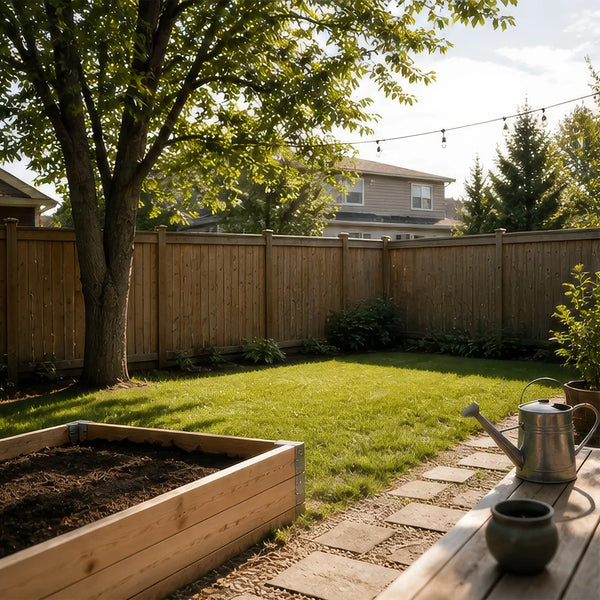
Outdoor gardens
An outdoor garden runs on the sun and the season. There is more weather to plan around, but the light is free and the scale is bigger. Great for tomatoes, peppers, cucumbers, squash, and the bigger crops that want full sun and room to spread.

Container gardens
A balcony, fire escape, sunny patio, or small yard with no in-ground space can all support a real garden if the containers are right. Most edible crops grow well in a five-gallon nursery pot, and herbs and leafy greens are happy in something smaller.
Choose what to grow first.
Most first-time gardens succeed when there is at least one easy crop alongside the ambitious one. Plant something forgiving alongside whatever ambitious thing you really want.
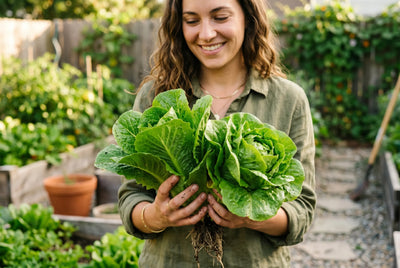
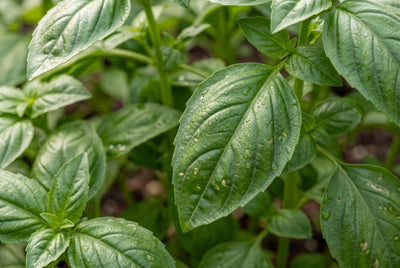
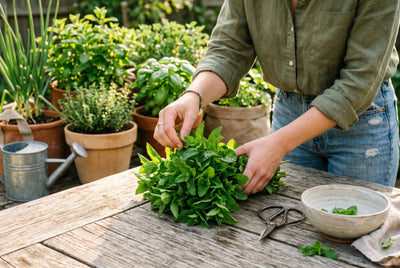
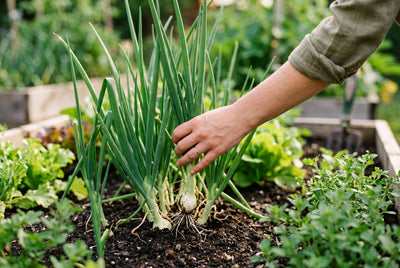
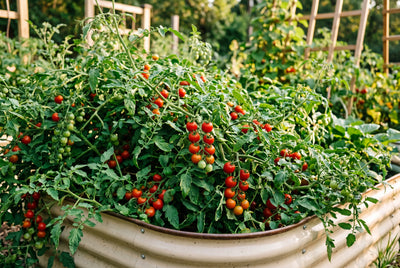
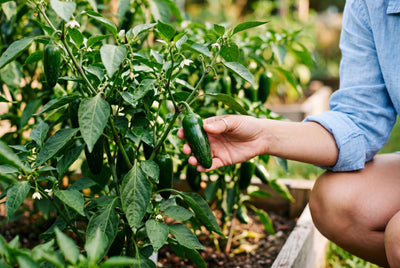
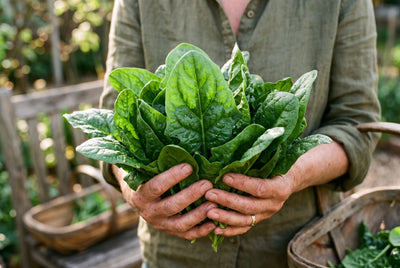
From seed to first harvest, in days.
Real timelines for the crops we recommend. Easy crops give you a harvest in three to six weeks. Tomatoes and peppers ask for a full warm season.

From seed to harvest.
The arc of any home-garden crop fits into the same five steps, regardless of what you are growing.
Start the seed
Most edible crops sprout in five to ten days when the media is moist and the room is warm. Coco coin propagation plugs make spacing and depth easy to get right.
Shop seed startingMove into a container or bed
When the seedling has two or three sets of true leaves, transplant into its long-term home. Don't disturb the roots, and water the seedling in well right after.
Shop containersWater and feed
Water consistently, not constantly. Most home gardens benefit from a light feeding program once the plant is established and growing.
Shop media + feedWatch and adjust
Yellow leaves, slow growth, or wilting are signals, not failures. The common beginner mistakes guide covers what each signal usually means.
Shop pest + plant careHarvest
Pick herbs and leafy greens early and often. Wait until tomatoes and peppers are fully colored. The flavor of food you grew yourself is the reason this is worth the effort.
Shop harvest toolsThe gear we recommend for a first home garden.
These are the few pieces of gear that make the most difference for a first-time grower. None of it is required. All of it is forgiving, and most of it pays for itself by the second harvest.
● Core SetupCoco Coin Propagation Tray
A 50-cell propagation tray with pre-filled coco-coir plugs. Clean, even germination, and the easiest way to start seeds at home.
- Buffered, low-EC media
- Even moisture across the tray
- Reusable trays
 ● Core Setup
Buffered Coconut Coir, 5 kg
Triple-washed coconut coir. Holds moisture without compacting and lets oxygen reach the roots between waterings.
- pH-balanced for veg
- Compressed brick · 75 L hydrated
- Forgiving for first-time growers
 Optional
Seedling Heat Mat
Useful when the room is cool. Bottom heat speeds germination and improves the rate of successful sprouting.
- Even bottom heat
- Pairs with the propagation tray
- Speeds germination on cool days
Every order comes with real-person grower support. Email a question, and the reply is from a grower who has answered it before.
Four mistakes account for almost every first-season failure.
None of them require new equipment to fix. They're small adjustments to how you water, what you grow in, and how much you take on at once.

Five things to remember.
If you walk away from this guide with nothing else, walk away with these.
- 01Plants need four things: light, water, airflow, and root space. Get those right and most edible crops will grow.
- 02A first home garden can live indoors on a windowsill, on a balcony in containers, or outside in raised beds. The right setup is the one that fits your space.
- 03Start with forgiving crops (lettuce, basil, mint, green onions, spinach) and pair them with one ambitious one if you want.
- 04Buffered coconut coir is the most forgiving growing media for a first garden, and a pre-spaced coco coin propagation tray prevents most early seed-starting mistakes.
- 05Watering rhythm matters more than watering tools. Feel an inch down before watering again.
The questions we get most often.
If you don't see yours here, write us. A real grower answers within a business day.
Questions or notes? Drop them here.
A real grower replies within a business day.
No comments yet. Be the first.