
Container Gardening for Beginners
Container gardening is the most flexible way to grow food at home, because the pot moves with you, the medium is yours to control, and the watering rhythm stays short and steady. It works on a balcony, a patio, a deck, or a set of front steps, and it works year after year with the same pots.
What follows walks through picking the right size, filling it with the right medium, the crops that thrive in containers, and the watering rhythm that keeps a container garden producing without daily attention.

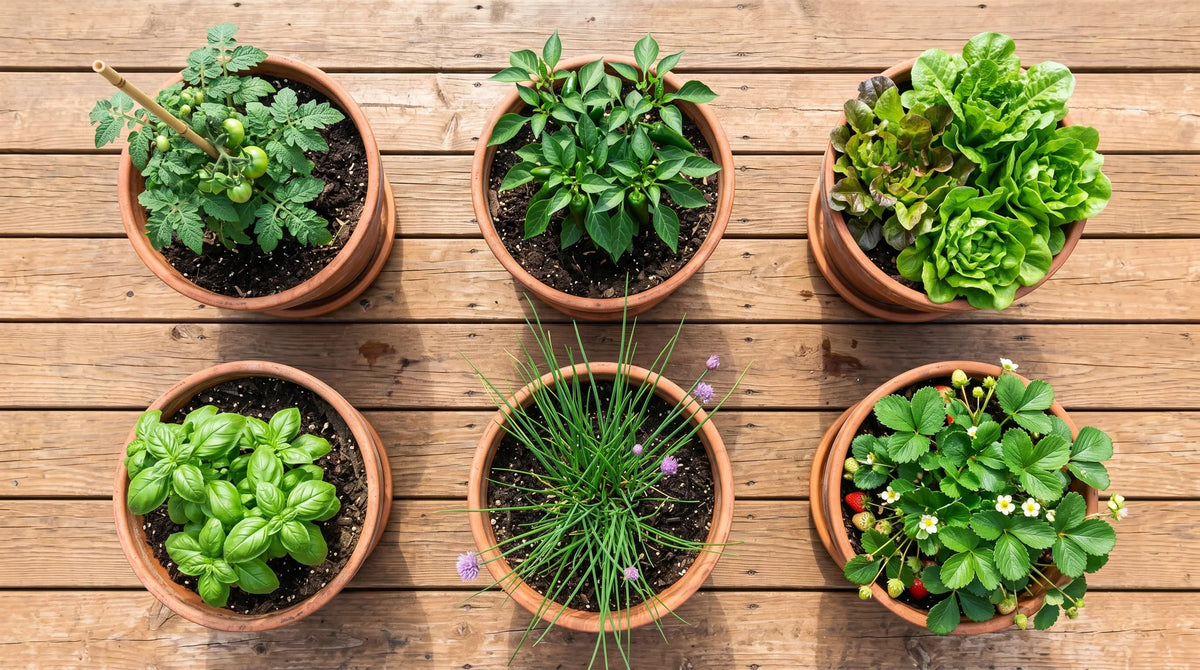
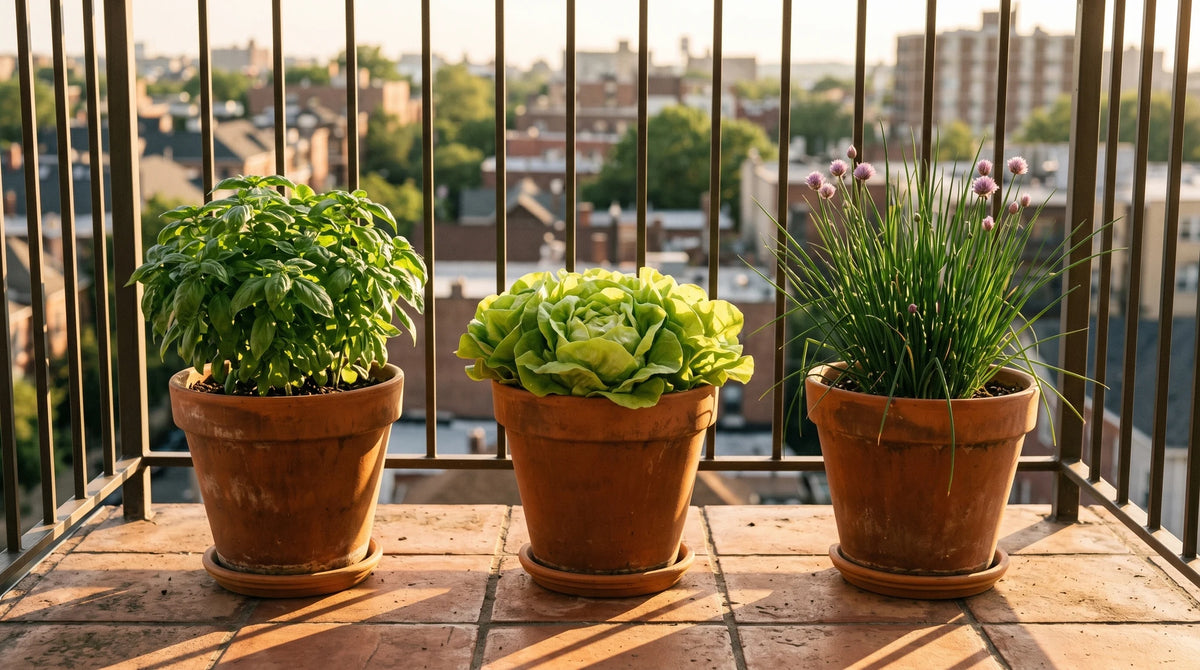
A 6-inch pot grows herbs. A 12-inch pot grows leafy greens. An 18-inch pot grows a cherry tomato or pepper. Size up before adding more pots. A bigger container is almost always more forgiving than a small one.
Every container needs drainage holes. Decorative pots without them are cover pots only; the actual plant lives in a plastic nursery pot you can take to the sink.
What plants actually need.
Every edible plant in the world wants the same four things. When something is going wrong, the cause is almost always one of these four.
Match the pot to the crop. Herbs in 6 to 10 inches. Leafy greens in 10 to 12 inches. Fruiting crops in 14 to 18 inches.
Coir holds water and air at once. For fruiting crops or hot patios, blend in 20 percent perlite for extra drainage.
Container medium dries faster than in-ground soil. Check daily in summer; every two days the rest of the year. The finger or pot-lift method works.
Coir feeds nothing on its own. A light weekly feed is the difference between thriving and stalled. Skip the heavy doses.
From empty pot to first harvest.
Five steps. Most of the work is in the first hour. The rest of the season is just rhythm.
Pick the right pot
Match the pot to the crop. Herbs need 6 to 10 inches. Leafy greens need 10 to 12 inches. Tomatoes, peppers, cucumbers want 14 to 18 inches. Whatever pot you pick, drainage holes are non-negotiable.
Shop potsFill with the right medium
Buffered coconut coir is the most forgiving base. Rehydrate a brick or use bagged coir. For fruiting crops, blend in 20 percent perlite for extra drainage. Skip the rocks at the bottom; they reduce root volume and trap moisture.
Shop mediaPlant or transplant
One main crop per pot for a first season. Plant or transplant at the same depth as the nursery container. Water in well so the medium settles around the roots. Top up the medium if it drops more than half an inch.
Browse seedsWater and feed on rhythm
Check the top inch daily for the first two weeks. Once the rhythm settles, most containers want water every 2 to 3 days in summer. Start a weekly half-strength liquid feed when seedlings have their first true leaves.
Shop feedHarvest and refresh
Harvest by pinching leafy crops, picking fruiting crops as they ripen. At season end, pull old roots, compost the spent medium, and refresh with fresh coir before the next cycle. Two to three cycles per pot is typical.
Browse kitsPicking the right size for the crop.
Container size determines almost everything else. The wrong size is the most common reason container gardens stall.
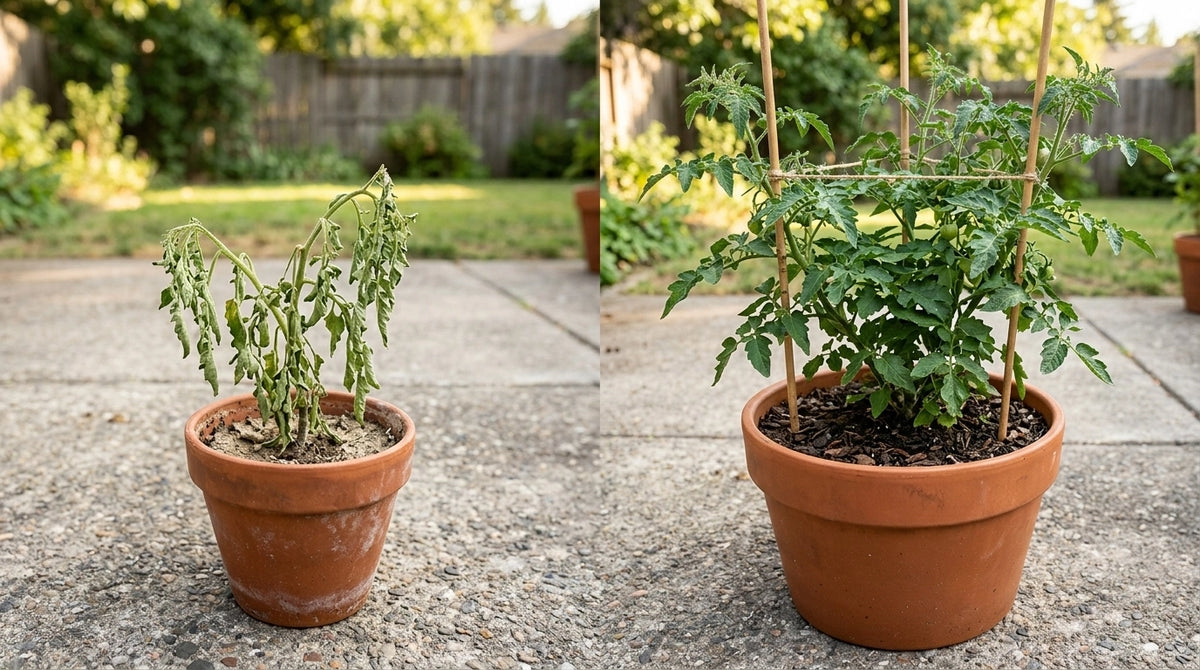
Four container-specific traps.

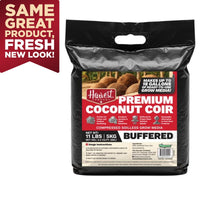
Triple-washed, pH-balanced, low EC. One brick fills several large containers or a small raised bed.
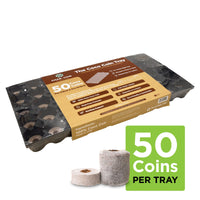
Start seedlings in pre-filled coir plugs before transplanting into the final container.
Six things to remember.
- 01Pot size determines almost everything. Match it to the crop, with room to spare.
- 02Drainage is not optional. Every pot needs holes; cover pots only count if the inner pot has them.
- 03Buffered coconut coir is the most forgiving base medium. Add perlite for fruiting crops.
- 04Water when the top inch dries. Daily check in summer, every two days otherwise.
- 05Feed weekly at half strength. Coir holds water but holds no nutrients.
- 06Refresh medium every two to three cycles. Roots reward you immediately.
Questions or notes? Drop them here.
A real grower replies within a business day.
No comments yet. Be the first.