
When and How to Harvest Vegetables
The first harvest of the season is the reward for everything that came before it, and getting the timing right is what makes the second and third harvest just as good. The Harvest Company treats picking as its own small skill, not an afterthought to growing, because a clean cut at the right moment keeps a plant producing rather than winding down.
Most of harvest technique comes down to three things: reading the right signal for each crop, cutting cleanly instead of pulling, and picking often enough to keep the plant working.

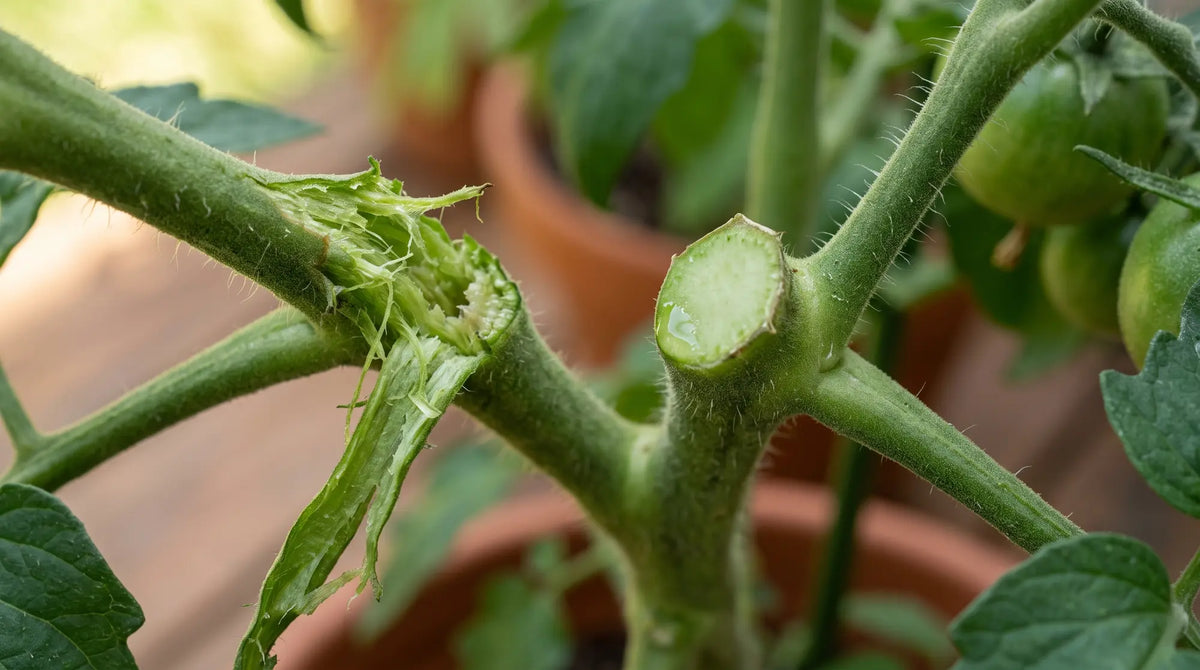
A clean cut just above the stem protects the plant and the fruit, where a hard tug can snap a stem, uproot a shallow neighbor, or tear the skin where rot can start.
Vegetables are firmer and hold more moisture in the cool of the morning, before the heat of the day softens them. A morning harvest also keeps stress lower on the plant you are cutting from.
Pick a little often, or pick once.
Most home crops fall into one of two patterns. Knowing which one you are growing sets the whole harvest rhythm.
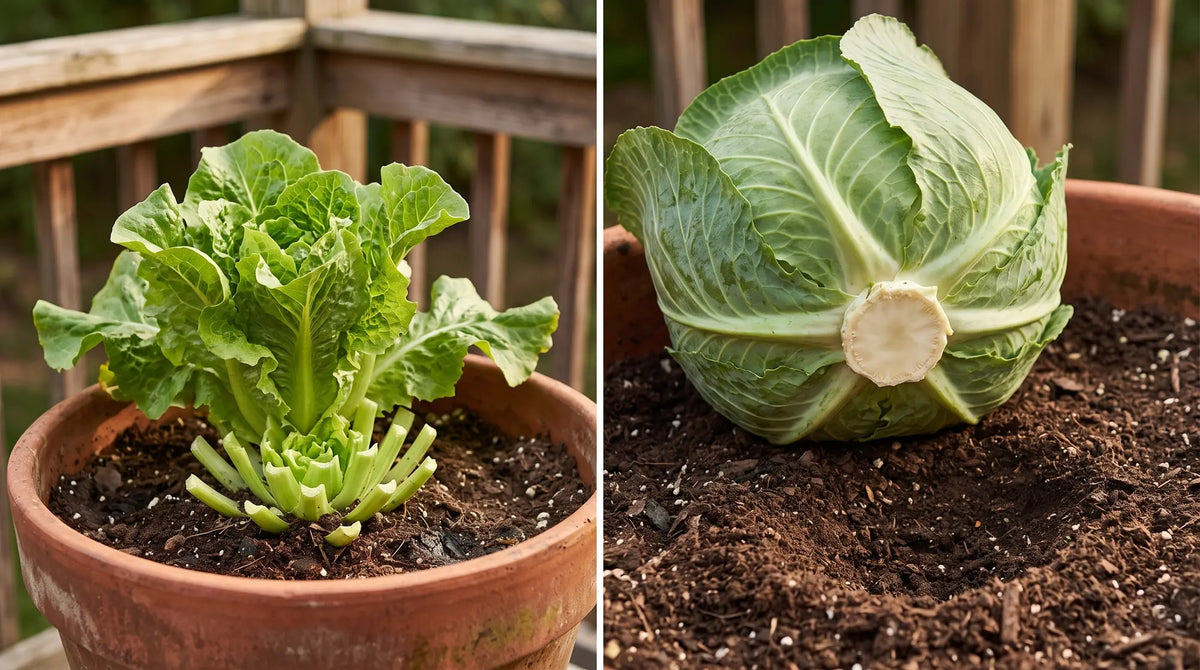
From ripe to picked, without stressing the plant.
Five habits, in order. Each one protects the plant so it keeps producing after the cut.
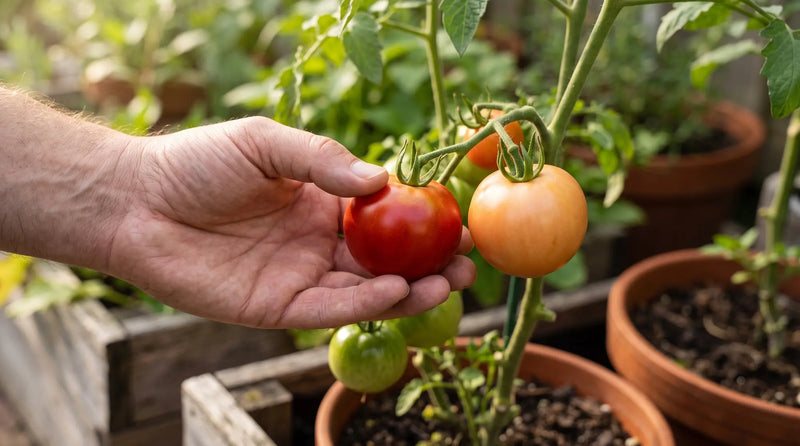
Learn the signal for each crop
Color tells you about tomatoes and peppers, firmness tells you about summer squash and cucumbers, and size tells you about beans and zucchini. One rule does not cover every crop, so learn the specific cue before the season starts.
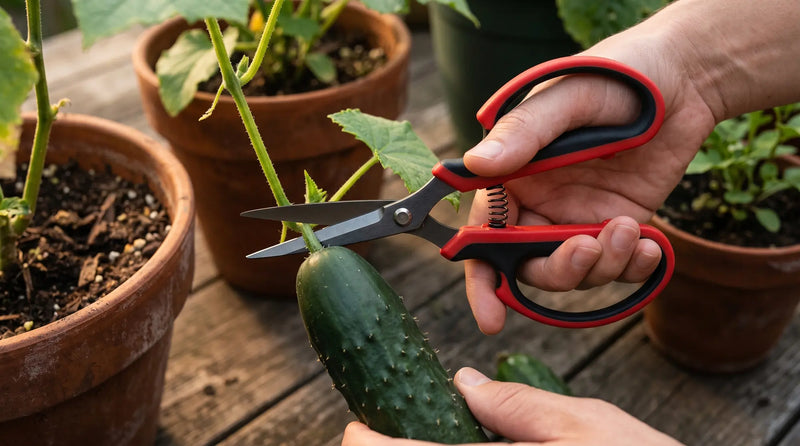
Cut instead of pulling
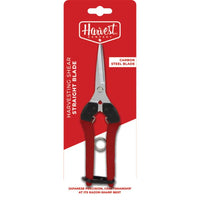
Use a clean, sharp shear to cut just above the fruit or stem at a slight angle, rather than tugging it free by hand. A clean cut protects the plant and heals faster than a torn one.
Shop harvesting shears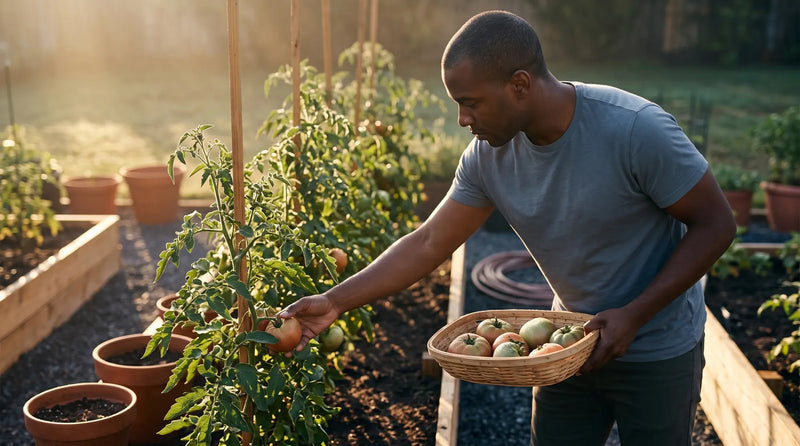
Harvest in the cool part of the day
Pick in the morning before the heat of the day, when vegetables are firmer and hold the most moisture. A morning harvest also puts less stress on the plant than a midday pick in full sun.
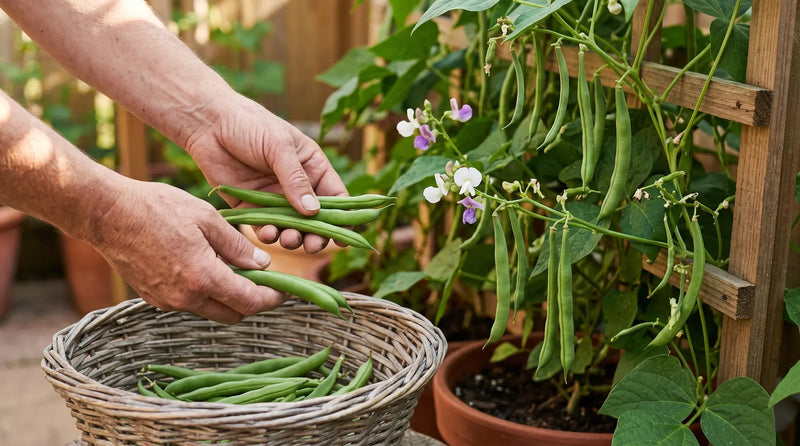
Pick often to keep production going
For fruiting crops like tomatoes, peppers, and beans, picking regularly signals the plant to keep setting new fruit instead of shifting its energy toward ripening seed. A full plant left unpicked slows down within days.
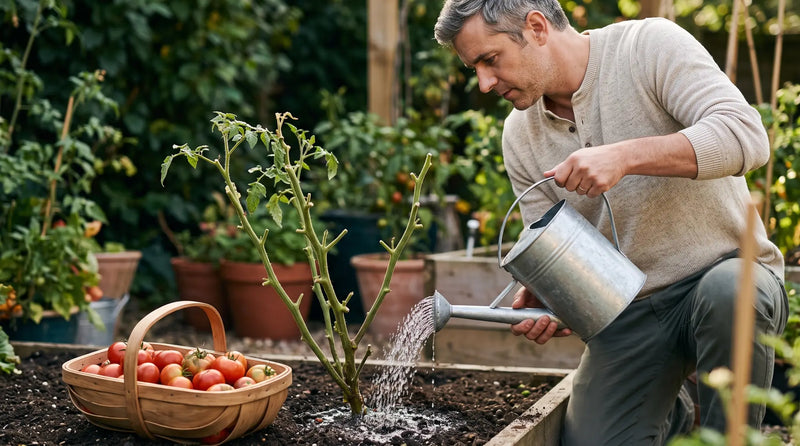
Water and check the plant after a big pick
A heavy harvest pass removes a real amount of leaf and fruit mass at once, so water the plant in afterward and take a quick look for stress signs before moving on to the next one.
Three habits behind a shorter harvest.
Each one is a technique fix, not a growing problem.

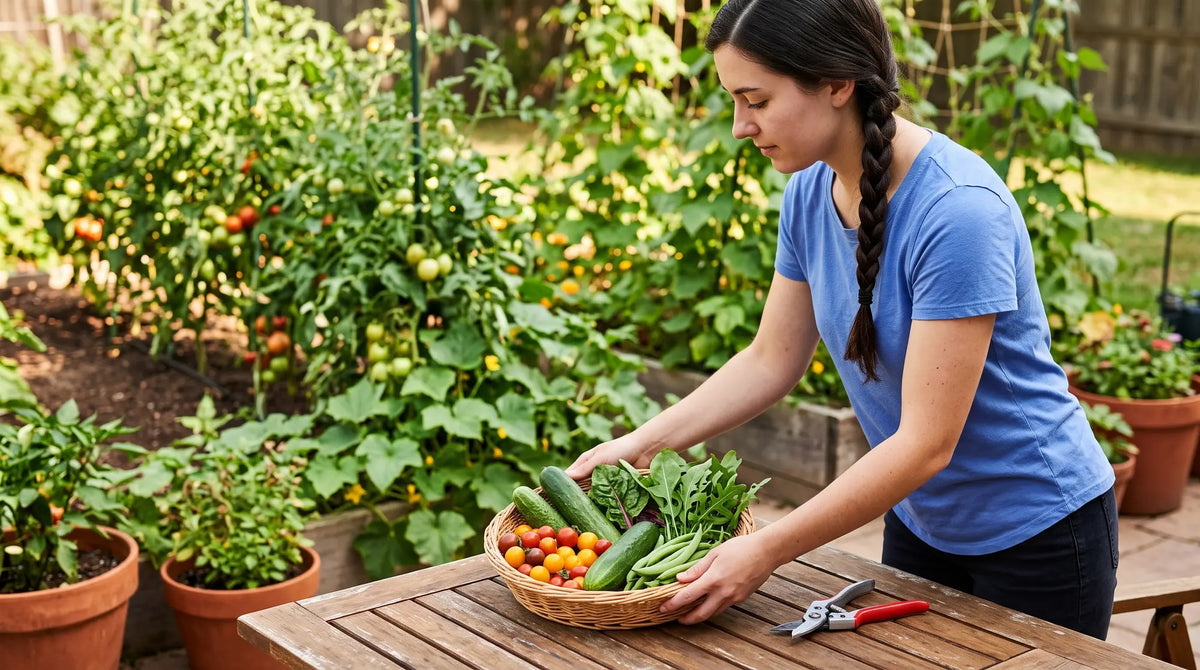
Five things to remember.
- 01Learn the specific ripeness signal for each crop rather than applying one rule to the whole garden.
- 02Cut cleanly with a sharp shear instead of pulling, which protects both the plant and the fruit.
- 03Harvest in the cool morning hours for firmer produce and less stress on the plant.
- 04Picking fruiting crops often, every two to three days, keeps the plant setting new fruit through the season.
- 05Water and check the plant after a heavy harvest pass, since removing a lot of mass at once is a real event for it.
Questions or notes? Drop them here.
A real grower replies within a business day.
No comments yet. Be the first.