Grow Guides · Harvest & Maintenance

Pruning and Deadheading for a Longer Harvest

September 21, 2026· 7 min read· 0 comments

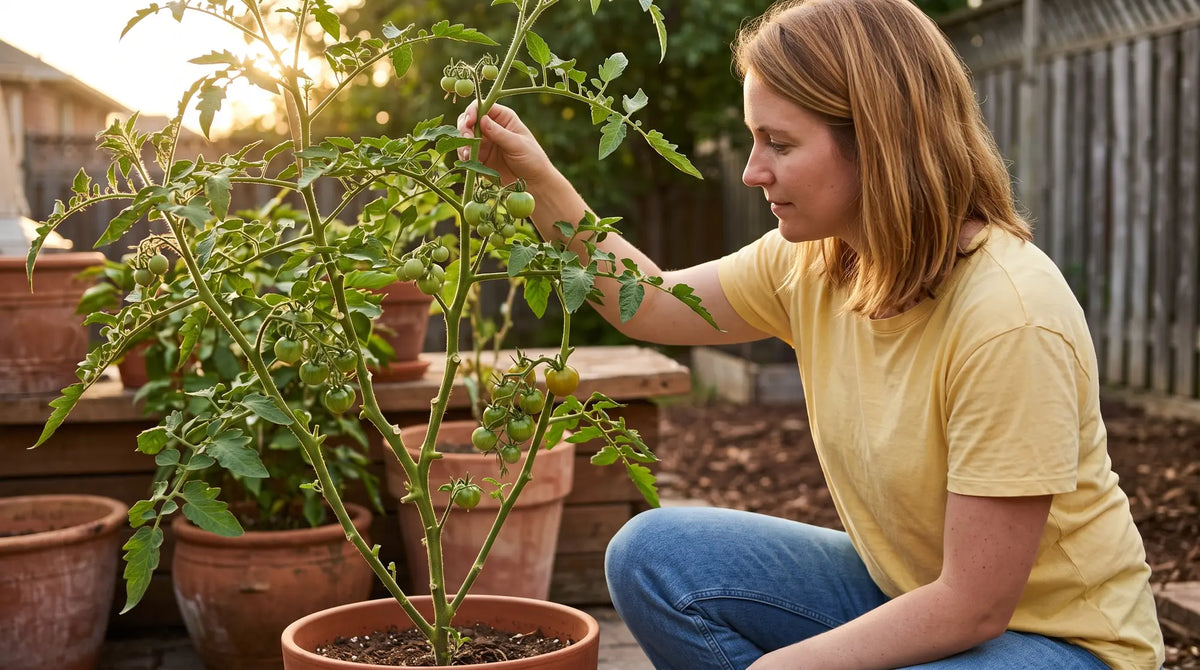
A plant that has been producing for a few weeks usually asks for a little shaping, whether that means removing a spent bloom or cutting back a stem that has grown past what the plant can support. The Harvest Company treats pruning and deadheading as maintenance, small, regular cuts that keep a plant productive rather than a project that happens once.

Pruning shapes the plant and improves airflow. Deadheading removes spent blooms so the plant keeps putting energy into new growth instead of seed. Knowing which one a plant needs, and cutting in the right spot, is most of the skill.

Quick answer
Prune to open up airflow and remove damaged or crossing growth, cutting just above a node at a clean angle. Deadhead by removing spent flowers before they set seed, which keeps many flowering and fruiting plants pushing new growth. Use a sharp, clean blade for both, and wipe it between plants to avoid spreading anything.
Pruning and Deadheading for a Longer Harvest
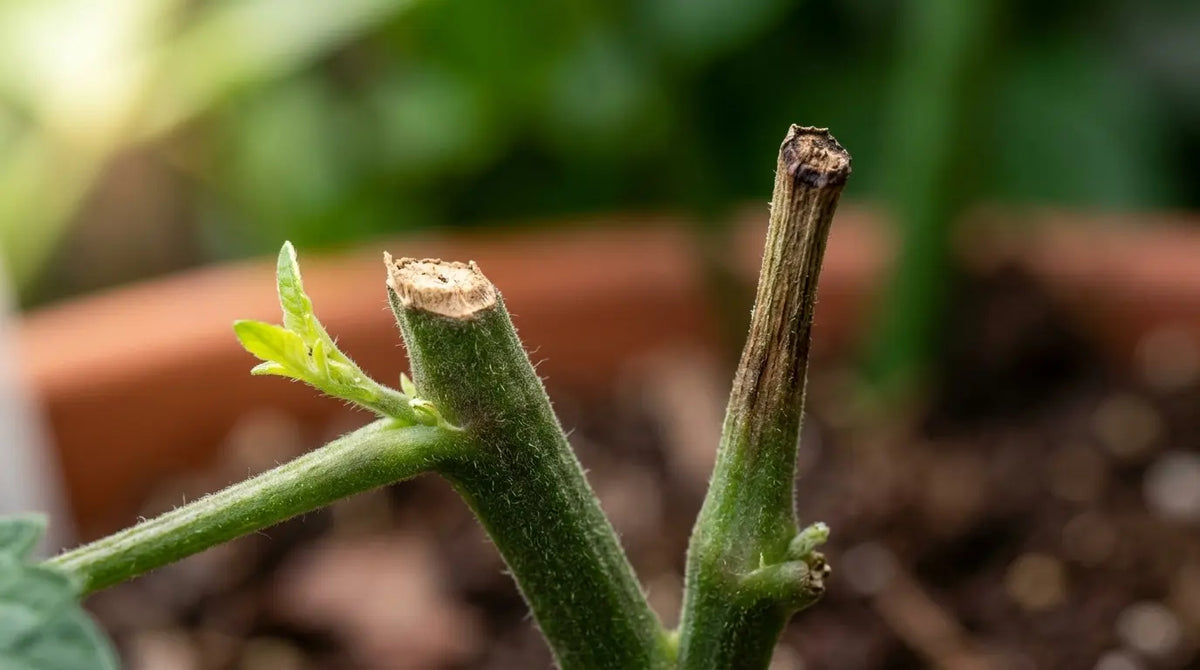
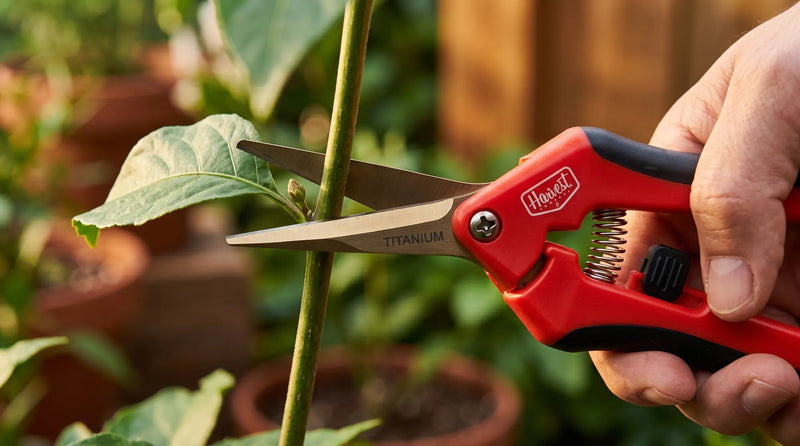
Cut above a node

A clean cut just above a leaf node or bud gives the plant a clear point to grow from and heals faster than a cut made in the middle of a bare stretch of stem.

Deadheading is not the same as pruning

Pruning shapes the plant and manages size. Deadheading removes spent blooms specifically to keep energy going into new flowers or fruit rather than into seed production.

Pruning or deadheading

Different cut, different purpose.

Both use the same shear. What you are removing, and why, is what tells them apart.
Pruning
Deadheading
Purpose
Shapes the plant, improves airflow, and removes damaged or crossing growth.
Removes spent flowers so the plant keeps producing new blooms or fruit.
When
Through the season as growth gets crowded, plus a harder cutback at season's end.
Regularly, as soon as a flower fades and before it sets seed.
Where to cut
Just above a node, angled slightly, removing whole stems or side shoots.
Just below the spent flower head, back to the first healthy leaf set.
Best on
Tomatoes, peppers, and shrubby herbs that get dense or leggy.
Flowering annuals, some herbs left to bloom, and repeat-flowering plants.
Result
Better airflow, less disease pressure, and energy directed to the main stems.
Continued blooming or fruiting instead of the plant shifting to seed.
Prune and deadhead

A repeatable rhythm for both cuts.

Five steps, in order. Together they keep a plant productive instead of tired.
Know why you are cutting
Step 01Decide

Know why you are cutting

Pruning and deadheading solve different problems, so decide first whether the plant needs shape and airflow or just the removal of a spent bloom. That decision determines where and how much you cut.
Cut just above a node
Step 02Cut

Cut just above a node

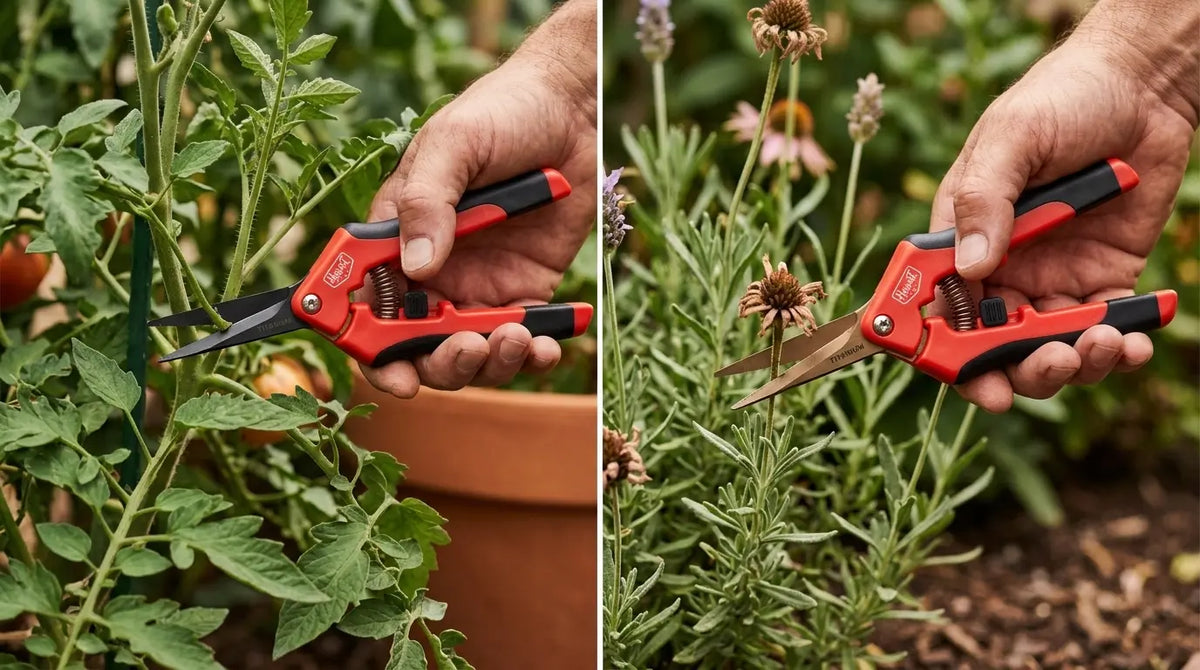
Make the cut at a clean angle just above a leaf node or bud, using a sharp shear rather than a dull one that crushes the stem. A clean cut seals and heals faster.

Shop pruning shears
Remove spent flowers before they set seed
Step 03Deadhead

Remove spent flowers before they set seed

Cut spent blooms back to the first healthy leaf set as soon as they fade. Many flowering and fruiting plants keep producing new growth as long as they have not been allowed to set seed.
Pinch suckers and crowded growth
Step 04Direct

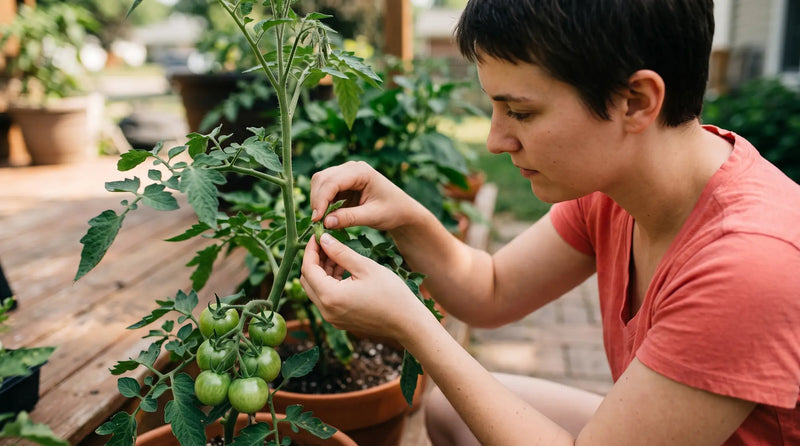
Pinch suckers and crowded growth

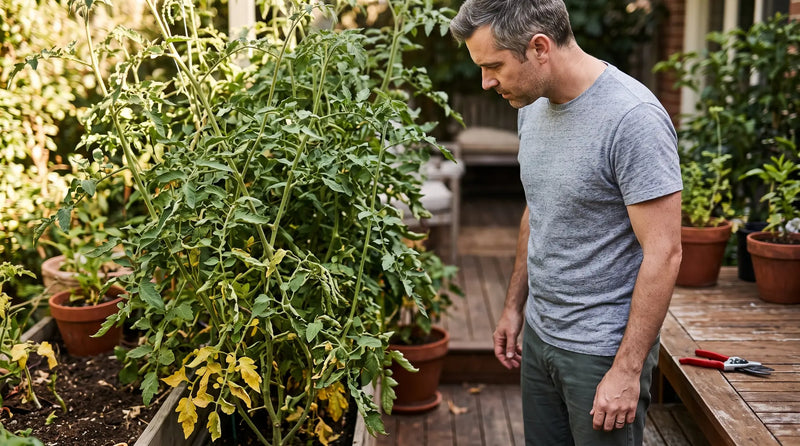
On tomatoes and similar crops, pinching or pruning suckers and crossing branches improves airflow and directs the plant's energy toward the fruit already set rather than more foliage.
Wipe the blade between plants
Step 05Clean

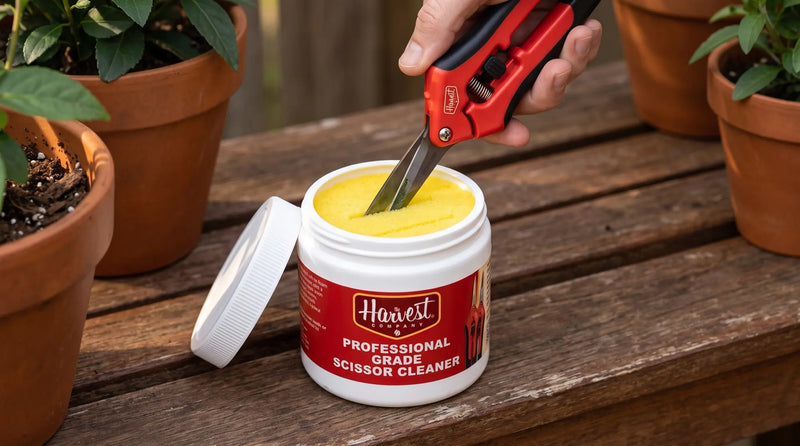
Wipe the blade between plants

A quick wipe of the blade between plants, especially anything showing signs of stress or disease, keeps a small problem on one plant from spreading through the rest of the bed.
Why cuts set a plant back

Three habits behind a slower rebound.

Each one is a technique fix, easy to correct on the next cut.

Common beginner mistakes
No.
Mistake
What goes wrong
The fix
Severity
01
Cutting in the wrong spot
✕Leaving a long stub above the node, which invites rot, or cutting too close and damaging the node the new growth needs to come from.
✓Cut at a clean angle just above the node, close but not into it.
Most common
02
Skipping deadheading on flowering plants
✕Letting spent blooms stay on the plant, which signals many flowering crops to shift energy into seed rather than more flowers or fruit.
✓Remove spent flowers regularly, before they have a chance to set seed.
Common
03
Using a dull or dirty blade
✕Crushing stems instead of cutting them cleanly, which heals slowly and can carry stress or disease from one plant to the next.
✓Keep the blade sharp and wipe it clean between plants.
Underrated
Key takeaways

Five things to remember.

  1. 01Decide whether a plant needs pruning for shape and airflow, or deadheading to keep it blooming, before you cut.
  2. 02Cut at a clean angle just above a node so the plant has a clear point to grow from.
  3. 03Deadhead spent blooms regularly, before they set seed, to keep flowering and fruiting plants producing.
  4. 04Pinching suckers and crowded growth on tomatoes directs energy toward the fruit already on the plant.
  5. 05A sharp, clean blade heals faster and keeps stress from spreading between plants.
Discussion

Questions or notes? Drop them here.

A real grower replies within a business day.

No comments yet. Be the first.

FAQ

Common questions about pruning and deadheading.

Just above a leaf node or bud, at a slight angle. Cutting too far above the node leaves a stub that can rot, and cutting into the node itself removes the point new growth would come from.
Removing a spent flower before it sets seed keeps the plant's energy going into new blooms or fruit instead of seed production. On many repeat-flowering plants, regular deadheading noticeably extends the productive window.
A light pass every week or two through the growing season, removing suckers and crossing growth, keeps airflow open and directs energy to the fruit already set, rather than one heavy cutback late in the season.
The same sharp, clean shear handles both jobs on most home crops. What matters more than having separate tools is keeping the blade sharp and wiping it between plants.
A light, regular pass barely registers. A hard cutback all at once is more of an event, so space heavier pruning out and water the plant in afterward rather than doing it all in a single pass.
The promise

Grow better. Eat better. Every day.

Your partner in every harvest. A clean cut in the right spot keeps a plant working all season.

Posted September 21, 2026 · Updated October 5, 2026 · 7 min read