Grow Guides · Harvest & Maintenance

Post-Harvest Plant Care

September 21, 2026· 7 min read· 0 comments

A plant that just gave up a big harvest or took a hard cutback usually looks a little different for a few days, and most of what you see is normal rebalancing rather than trouble. The Harvest Company treats the days right after a harvest pass as worth a closer look, not because something is likely wrong, but because it is the easiest moment to catch it if it is.

How long the change has lasted, whether the cut sites look clean, and whether new pests have shown up are the three things that separate a normal recovery from something worth acting on.

Quick answer
A little wilting or a slow week right after a heavy harvest is usually normal rebalancing and settles within a few days. A cut site that turns soft, discolored, or slow to callus, or new pest activity right after the pick, is worth a closer look and a quick treatment before it spreads.
Post-Harvest Plant Care
Give it a few days first

A plant that just lost a lot of leaf or fruit mass at once needs time to rebalance. A little droop or a slower week is common and usually resolves on its own within a few days.

Check the cut sites

A ragged or crushed cut heals more slowly than a clean one and gives rot an easier place to start. A quick look at cut sites for a few days after a big pass catches most problems early.

Normal recovery or worth a look

Same week after harvest, different signal.

Match what you are seeing to the column that fits, and let the timing guide how much you worry.
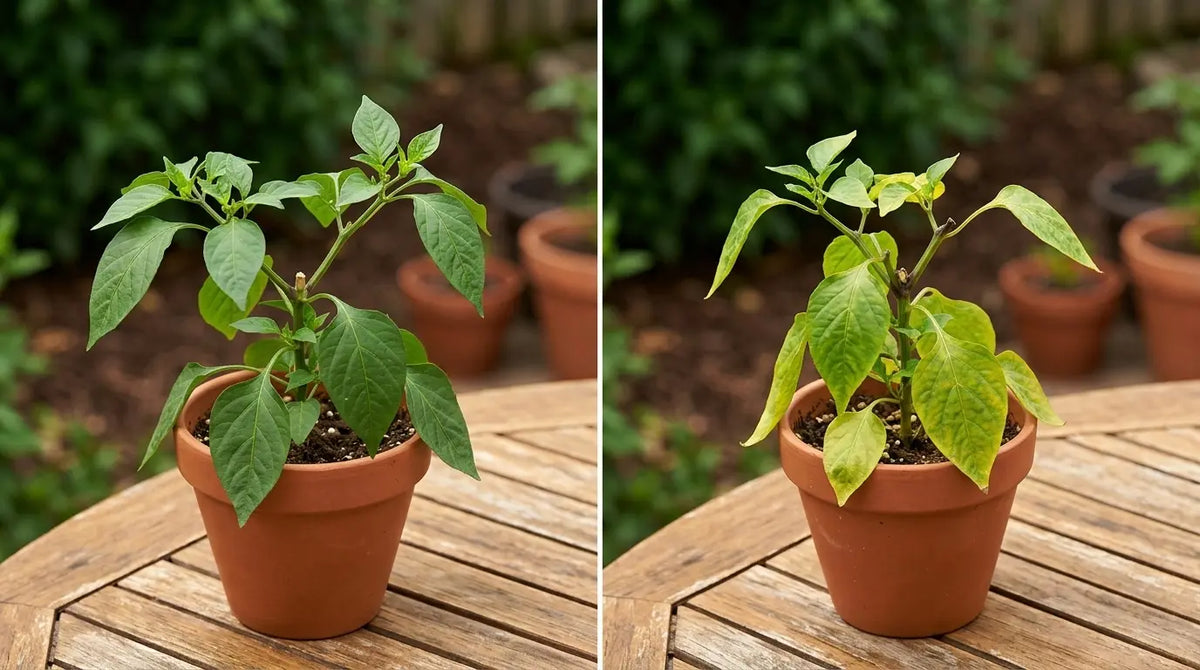
Normal recovery
Worth a closer look
Timing
Settles within two to four days of the harvest or cutback.
Continues past a week or gets visibly worse rather than better.
Leaves
A little droop the same day, perked back up by the next morning.
Yellowing or wilting spreading to leaves that were not near the cut.
Cut sites
Dry to the touch within a day or two, edges staying firm.
Soft, discolored, or damp at the cut, sometimes with a smell.
New growth
Slower than usual for a week or two, then resumes normally.
No sign of new growth after two or more weeks.
Pests
No change from before the harvest.
New activity on the fresh cuts or the newest growth.
Symptom checker

I see this after a harvest or cutback.

Match the symptom to the most likely cause and the first thing to try. Work from the highest-severity match down.


Symptom
Likely cause
Quick fix
Severity
Cut sites turning soft or discolored
A torn or crushed cut, rather than a clean one, heals slowly and gives an opening for rot to move in.
Trim the damaged edge back to clean tissue and keep the area dry until it calluses.
High
New pest activity right after a heavy pick
Opening up the canopy during a big harvest changes light and airflow, and pests are often drawn to the fresh cut ends and newest growth.
Check leaf undersides and treat with organic neem oil at the first sign.
Medium
Wilting the day after a heavy harvest
Removing a lot of leaf and fruit mass at once means fewer leaves are left to balance the water the roots are sending up, so the plant droops while it adjusts.
Water deeply and give the plant a few days before judging the result.
Medium
Yellowing on lower leaves after a harvest push
A heavy harvest also draws down the nutrients that were bound up in the fruit or foliage removed, so a feed gap can show up soon after.
Start a light balanced feed and watch the next set of leaves for a response.
Medium
Slow regrowth two weeks after a hard cutback
A hard prune or full pick draws on stored energy, so regrowth genuinely takes longer on some crops than others.
Give it a light feed and stay patient rather than assuming something else is wrong.
Low
A cut stem bleeding sap heavily
Some crops naturally bleed at a fresh cut, which is often mistaken for damage though it is usually harmless once the cut is clean.
Leave it alone and let it callus over on its own.
Low
Why post-harvest care goes wrong

Three habits behind a slower recovery.

Each is a small adjustment, not new gear.

Common beginner mistakes
No.
Mistake
What goes wrong
The fix
Severity
01
Feeding right after a hard pick
✕Adding a strong feed to a plant that just lost a lot of foliage, which can push salts against roots that are already working to rebalance.
✓Give it a few days to settle, then start with a light feed.
Most common
02
Ignoring the cut sites
✕Leaving a ragged or crushed cut without checking on it again, when rot moving in through a bad cut is easy to catch early.
✓Glance at cut sites for a few days after a big harvest and trim back any spot that softens.
Common
03
Assuming a slow week after harvest is trouble
✕Reading a normal post-harvest pause as disease or pest damage before checking whether the timing simply lines up with rebalancing.
✓Give it about a week, and check the standard signals before assuming something else.
Underrated
Key takeaways

Five things to remember.

  1. 01A little droop or a slower week right after a heavy harvest is usually normal rebalancing.
  2. 02Cut sites that turn soft or discolored are the clearest sign worth a closer look and a quick trim.
  3. 03Opening up the canopy during a big pick can draw new pest activity to fresh cuts and new growth.
  4. 04Hold off on a strong feed for a few days after a heavy harvest, then start light.
  5. 05Give regrowth about two weeks before reading a hard cutback as anything other than normal recovery time.
Discussion

Questions or notes? Drop them here.

A real grower replies within a business day.

No comments yet. Be the first.

FAQ

Common questions about post-harvest care.

Yes. Removing a lot of leaf and fruit mass at once means the plant has fewer leaves to balance the water moving through it, so a little droop the same day is common and usually settles within a few days.
Wait a few days. A plant that just lost a lot of foliage is still rebalancing, and a strong feed too soon can add salts the roots are not ready to use. A light feed after a few days is the safer move.
A torn or crushed cut heals more slowly than a clean one and gives rot an easier opening. Trim the damaged edge back to clean tissue and keep the area dry while it calluses over.
Opening up the canopy during a heavy pick changes the light and airflow around the plant, which can draw pests to the fresh cuts and newest growth. Check leaf undersides and treat early with an organic option.
Give it about two weeks. A hard prune or full harvest draws on the plant's stored energy, so regrowth genuinely takes longer on some crops than others before new growth becomes visible.
The promise

Grow better. Eat better. Every day.

Your partner in every harvest. Read the plant after a big pick, and the right move tends to follow.

Posted September 21, 2026 · Updated October 15, 2026 · 7 min read