Grow Guides · Seed starting

When to Start Seeds Indoors

August 28, 2026· 7 min read· 0 comments

Timing is the part of seed starting that has nothing to do with skill. Every packet counts backward from one date, the last expected frost in your area. Get that arithmetic right and a tomato has time to ripen before the season closes.

The Harvest Company sells seed that is open-pollinated and certified organic, which means the days-to-maturity number on the packet is the one to trust. This guide turns that number into a sowing date you can put on a calendar.

Quick answer
Start seeds indoors by counting backward from your average last frost date. Tomatoes and peppers want six to eight weeks of head start, while basil and most herbs want four to six. Fast greens need only two to three weeks, and sowing too early leaves seedlings outgrowing the tray before it is safe to plant out.
When to Start Seeds Indoors
Find your date first

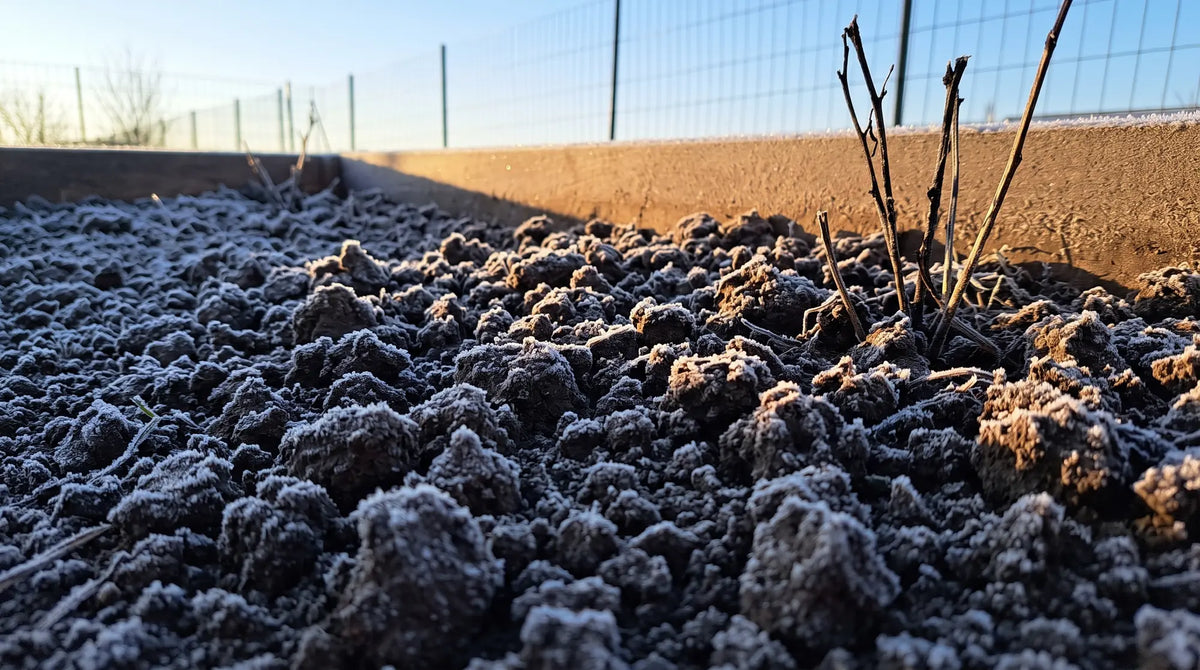
Everything here depends on one number, the average last frost date for your area. Your local extension service publishes it, and it moves by weeks across a single state, so a national average is not worth using.

Early is worse than late

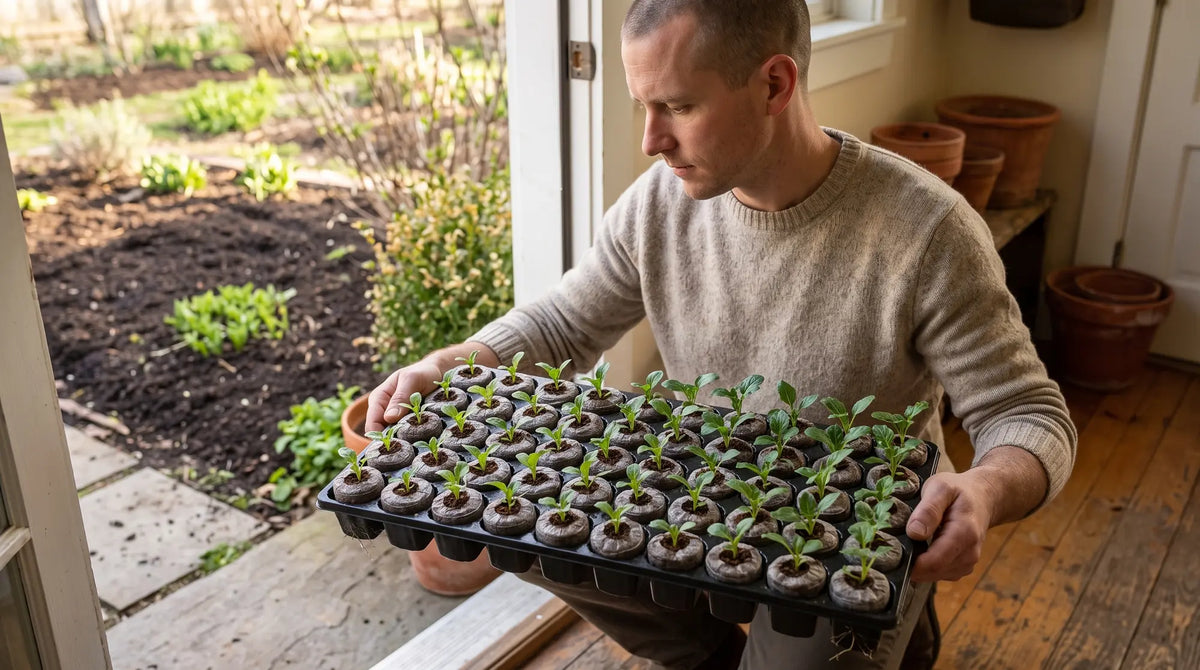
A seedling sown too early sits root-bound in its cell for weeks, and it never quite catches up after transplant. A seedling sown two weeks late usually catches up entirely, which makes late the safer error.

The sowing calendar

What to sow, and when.

Built around a last frost in mid-May, which suits much of the northern United States. Shift every row earlier or later by the number of weeks your own frost date differs.

J
F
M
A
M
J
J
A
S
O
N
D
San Marzano Tomato
Yellow Pear Tomato
Genovese Basil
Italian Oregano
Italian Parsley
Sow Transplant Grow Harvest
Indoors or straight into the ground

Which seeds are worth starting inside.

Starting indoors buys weeks of season, but it is not free, and some crops resent it. This is the split that matters for a home garden.
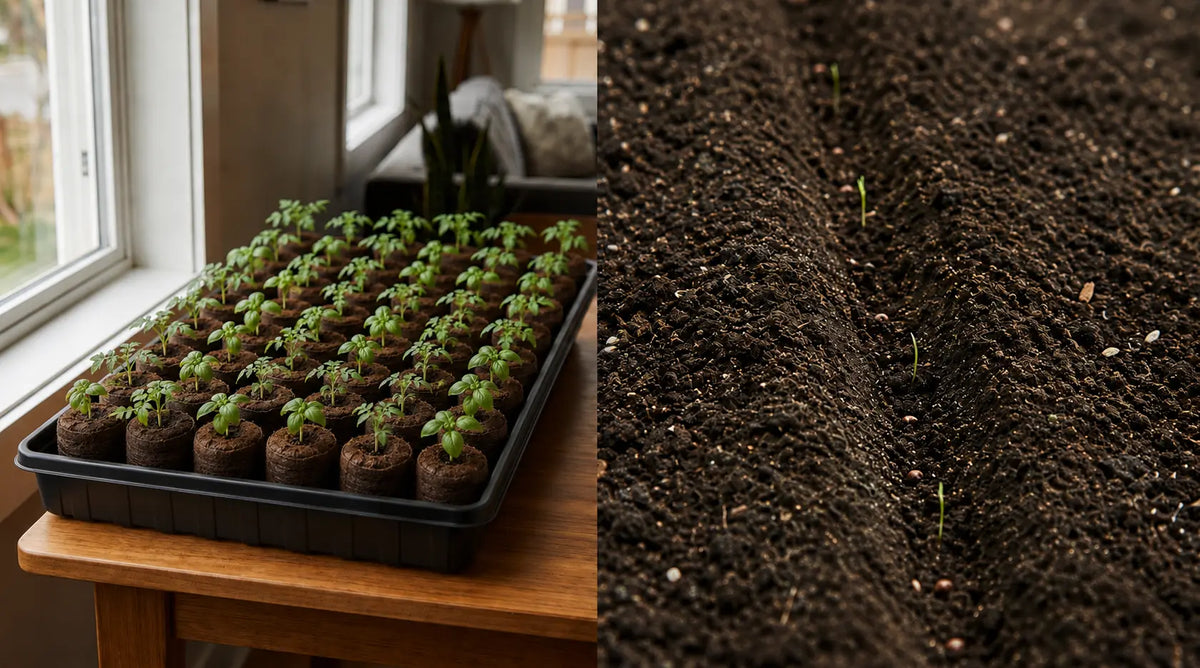
Start indoors
Sow direct
Best for
Tomatoes, peppers, basil, oregano, parsley.
Carrots, radishes, beans, peas, most root crops.
Why
Long season crops need a head start to ripen in time.
Taproots resent being moved and often fork after transplant.
Head start gained
Four to eight weeks, depending on the crop.
None, and none is needed.
Extra work
A tray, warmth, light, and a hardening-off week.
Prepare the bed, sow, thin the seedlings.
Main risk
Sowing too early and outgrowing the tray.
Cold soil, so the seed sits and sometimes rots.
Failure recovery
Re-sow a cell and lose a week.
Re-sow a row and lose a week.
Timing mistakes

Four ways the calendar goes wrong.

All four come from the same instinct, which is starting in January because the seed packets have arrived and the garden is still frozen.

Common beginner mistakes
No.
Mistake
What goes wrong
The fix
Severity
01
Sowing in midwinter
✕Seedlings outgrow the tray months before it is safe to plant out.
✓Count backward from the last frost rather than forward from the delivery.
Most common
02
Using a national frost date
✕Frost dates move by weeks across a single state.
✓Use the date your local extension service publishes for your area.
Common
03
Starting root crops indoors
✕Carrots and radishes fork or stall once the taproot is disturbed.
✓Sow root crops straight into the bed once the soil warms.
Common
04
Skipping the hardening week
✕Indoor seedlings stall or scorch when moved straight outside.
✓Build a week of gradual outdoor exposure into the plan.
Underrated
Key takeaways

Five things to remember.

  1. 01Everything counts backward from your local average last frost date, not from a national figure.
  2. 02Tomatoes and peppers want six to eight weeks indoors. Basil and most herbs want four to six.
  3. 03Oregano and parsley are slow to germinate, so they earn an extra two weeks at the front.
  4. 04Root crops resent transplanting and belong in the ground rather than in a tray.
  5. 05Sowing late costs you a little harvest. Sowing far too early costs you the seedling.
Discussion

Questions or notes? Drop them here.

A real grower replies within a business day.

No comments yet. Be the first.

FAQ

Common questions about seed-starting timing.

Your local agricultural extension service publishes an average last frost date by ZIP code or county. It is an average rather than a guarantee, so most growers add a week of margin before setting anything tender outside.
Six to eight weeks before your last frost date. For a mid-May frost that means sowing in the second half of March, which gives the seedling time to reach transplant size without outgrowing its cell.
Four to six weeks before the last frost. Basil grows quickly and dislikes cold, so it is one of the few crops where waiting slightly longer is clearly better than starting early.
Usually not. Herbs and fast greens can be sown well into summer, and a second sowing of basil in July often outperforms the spring one. Only long-season fruiting crops truly run out of calendar.
You can, but the seedling still cannot go outside until after your frost date. Unless you are growing herbs or greens to harvest indoors, an early winter sowing creates months of holding rather than a head start.
Not for root crops, beans, or peas, which do better sown straight into the bed. Starting indoors mainly pays off for tomatoes, peppers, and herbs in regions with a shorter warm season.
The promise

Grow better. Eat better. Every day.

Your partner in every harvest. Put the sowing week on the calendar, and the rest of the season follows from it.

Posted August 28, 2026 · Updated October 5, 2026 · 7 min read