
Understanding the Sunlight in Your Space
Every garden runs on the light that falls on it, and that light is rarely the same from one corner of a space to the next. The Harvest Company reads a new space before planting a single thing, because an hour spent watching the sun saves a season of wondering why one spot thrives and another stalls. The goal is simple: learn which parts of your space get full sun, which get a few hours, and which stay shaded, then plant accordingly.
A clear day of watching, a rough map of the bright and dim spots, and an eye on how the seasons shift the angle are all it takes to know what a space can grow.

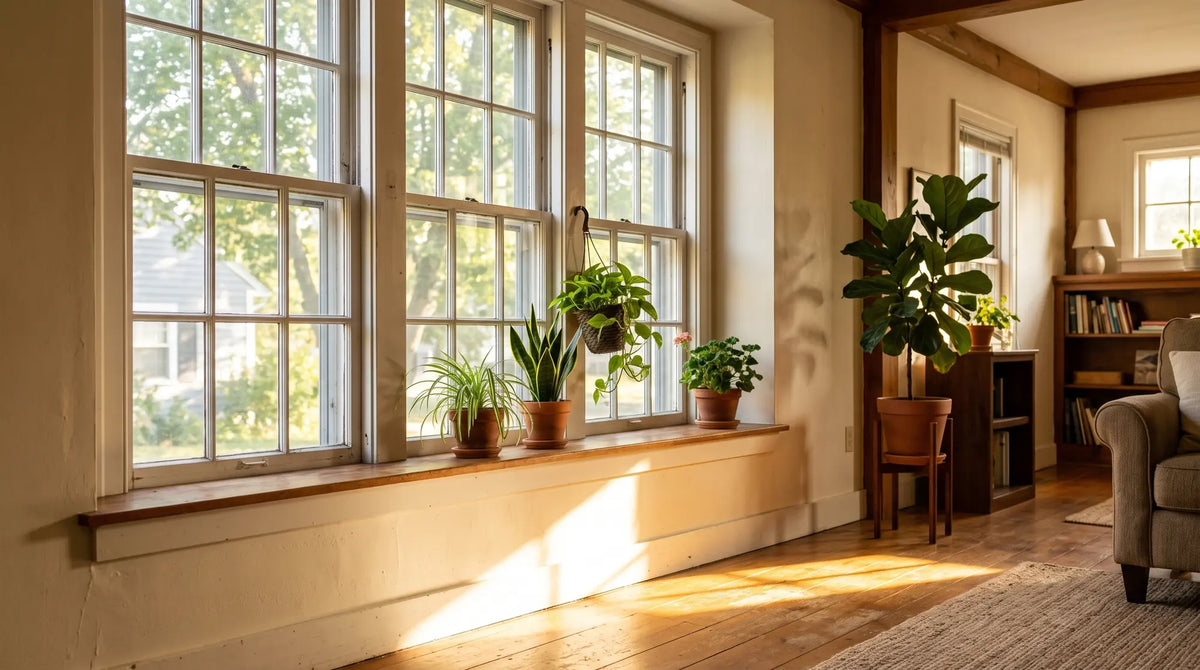
Pick a sunny day and check your space in the morning, at midday, and in late afternoon. Three glances are enough to see which areas hold the light and which fall into shade as the sun moves across the sky.
A spot that bakes in midsummer can sit in shade by autumn as the sun drops lower and nearby buildings or trees cast longer shadows. Read the light again at the start of each growing season rather than trusting last year's map.
Map the sun in four passes.
A short routine that turns a vague sense of brightness into a plan for where each crop should go.
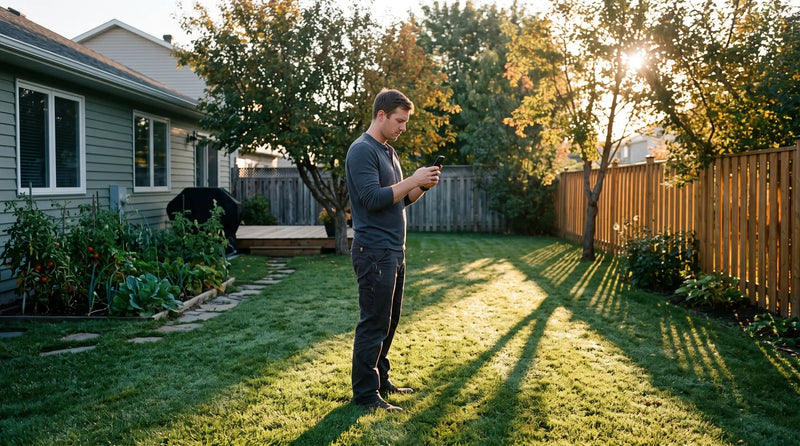
Check the early light
In the morning, note which parts of the space the sun reaches directly. East-facing spots catch the first light, which is gentle and well-suited to greens and herbs that prefer to avoid harsh afternoon heat.
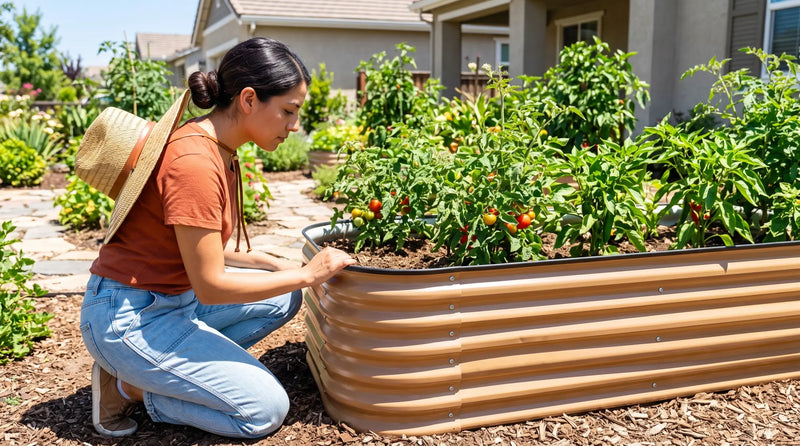
Find the brightest hours
At midday the sun is highest and strongest, so the areas lit now are your full-sun real estate. South-facing spots usually hold this light longest and are where fruiting crops belong.
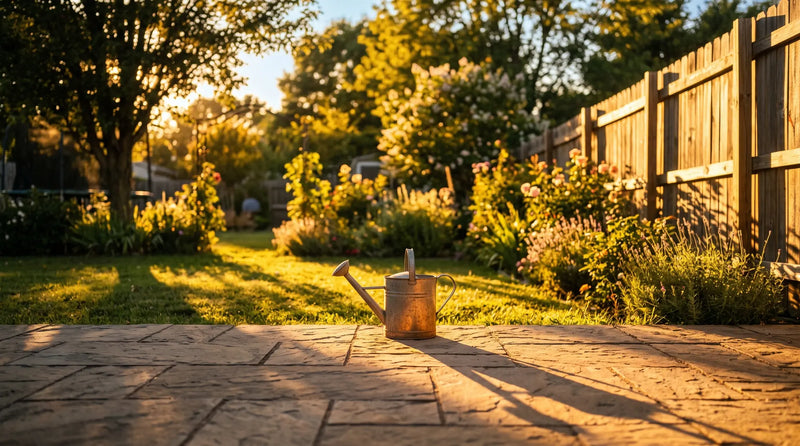
Track the late light
In late afternoon, west-facing spots take over and the light turns warm and intense. Add up the direct hours each area collected across the three passes to sort full sun from partial from shade.
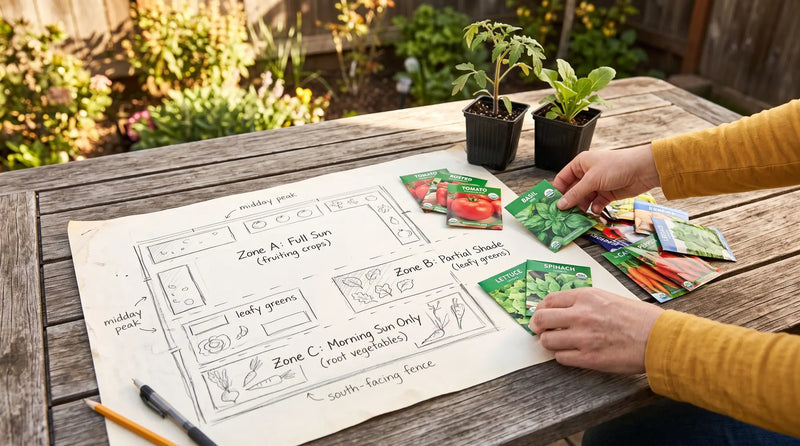
Match crops to the map
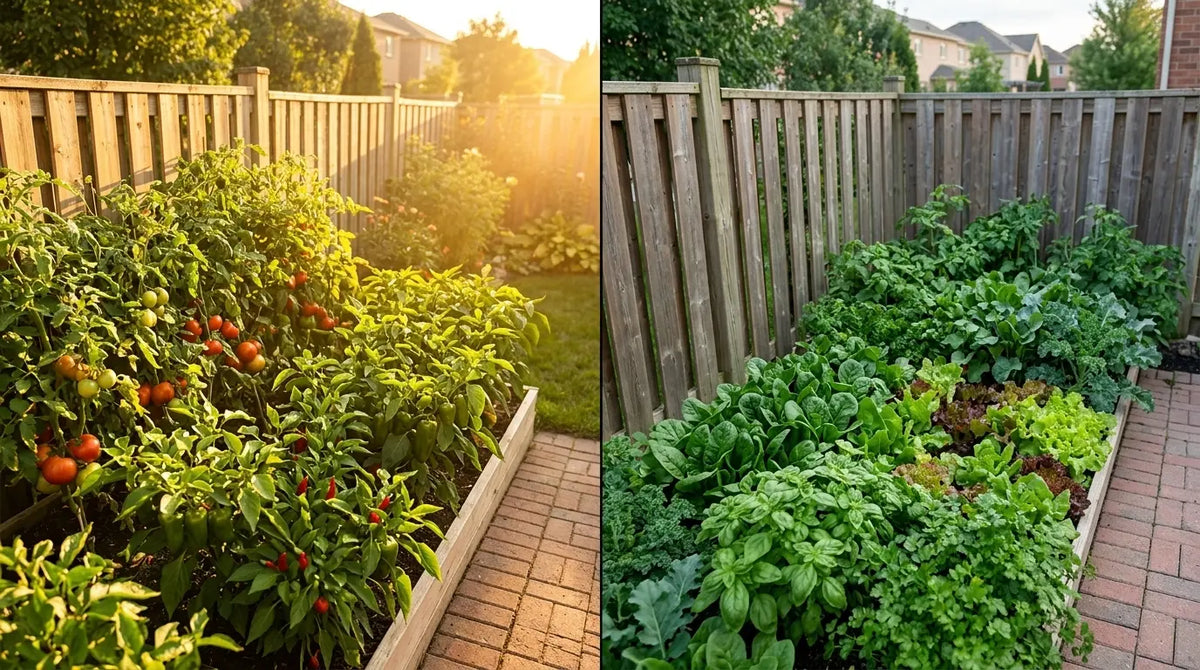
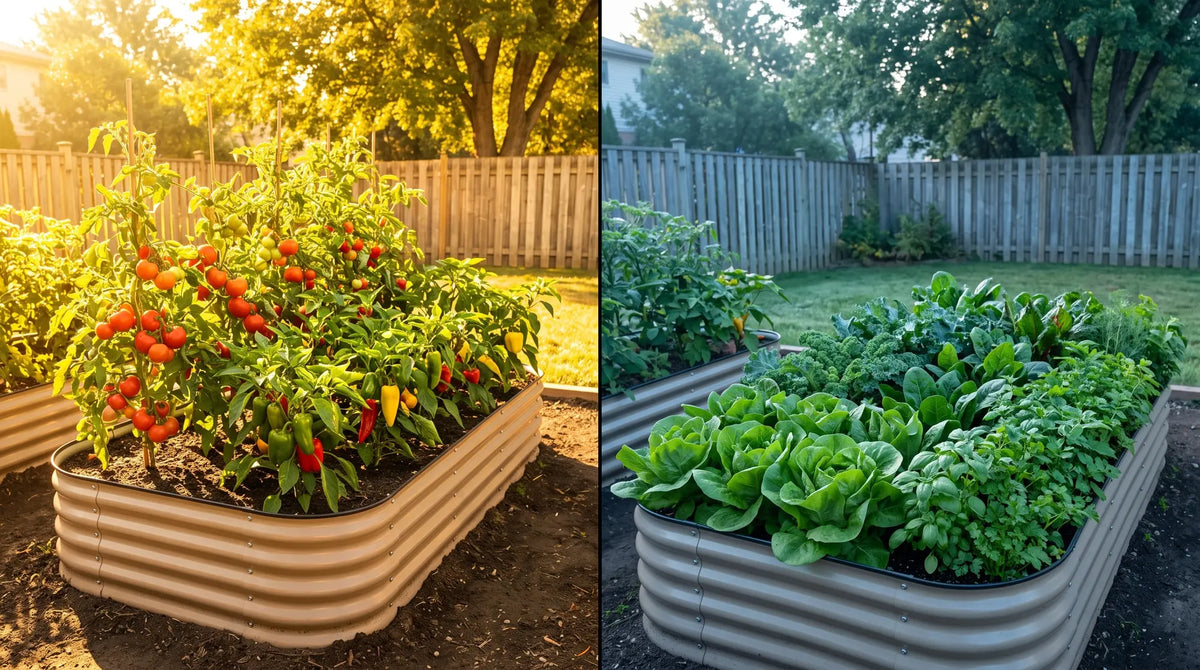
Sketch the space and shade in the bright, medium, and dim zones. Put fruiting crops in the full-sun zone, greens and herbs in the partial zone, and skip planting in deep shade or save it for shade-tolerant leaves.
Direction sets the light.
In the Northern Hemisphere, the side a window or yard faces is the fastest read on how much light it gets.
Five things to remember.
- 01Read the light before you plant, because the same space holds full sun in one corner and shade in another.
- 02Three glances across one clear day, morning, midday, and afternoon, are enough to map the bright and dim zones.
- 03South and west-facing spots get the most direct sun; north and east-facing get the least.
- 04Add up the direct hours each area collects, then place fruiting crops in full sun and greens in partial light.
- 05Read the light again each season, because the sun's angle and nearby shadows shift through the year.
Questions or notes? Drop them here.
A real grower replies within a business day.
No comments yet. Be the first.