
What to Plant in Spring
Spring planting runs on a calendar with two halves: crops that welcome cool soil and crops that need the last frost behind them. The Harvest Company helps you sort your list by those halves, with your local frost date as the anchor.
Lettuce, peas, spinach, and radishes can often go in a couple of weeks before the last frost, while tomatoes, peppers, and basil wait for warmer nights.

Look up the average last frost date for your ZIP code or county. Every spring decision below counts forward or backward from that single day.
Soil and nights lag behind the daytime air. Hold tender seedlings back until nights stay mild, and keep a sheet or cover ready for a late cold snap.
Two groups of spring crops, two start dates.
The first group goes out while the garden still feels chilly, and the second waits until the frost risk is past.

From the first cool week to the last frost.
The order below follows the weeks around your frost date, so you can start tomatoes indoors while the first greens go outside.
Find your last frost date
Your local agricultural extension service publishes an average date by ZIP code or county. Write it on the calendar and count back from it.
Start tomatoes six to eight weeks ahead
Sow tomato seeds in a tray with a dome and gentle warmth. Germination slows to a crawl below about 60 degrees, so a heat mat helps in a cool room.
Sow cool-season crops once the soil is workable
When the bed can be worked without clumping, sow lettuce, spinach, radishes, and peas. A light frost is rarely a problem for them.
Give seedlings strong light
A sunny window or a grow light running roughly twelve to sixteen hours a day keeps indoor seedlings sturdy instead of leggy.
Harden off for about a week
About a week before planting out, give seedlings gradually longer outdoor sessions. Begin only after the last frost date has passed.
Transplant when nights stay warm
Plant tomatoes and peppers after the last frost and a couple of weeks of mild nights. Set them in the evening or on a cloudy day.
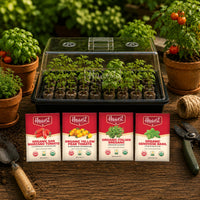
Certified organic basil, Italian oregano, San Marzano, and Yellow Pear tomato seed packs with a vented 7 in. humidity dome, a heavy-duty propagation tray, and a pre-filled coco coir insert tray.
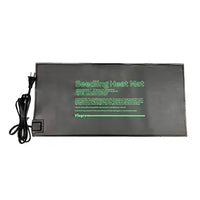
Warms the root zone under a seedling tray and plugs into a standard 120-volt outlet. The listing says plants grown with steady warmth typically germinate faster.

A compact full-spectrum LED with a 6500K daylight spectrum and adjustable dimming. It fits on most tall propagation domes, per the listing.
Spring planting habits that cost a few weeks.
Warm weather in the forecast invites them, and a look at the frost date steers around all three.

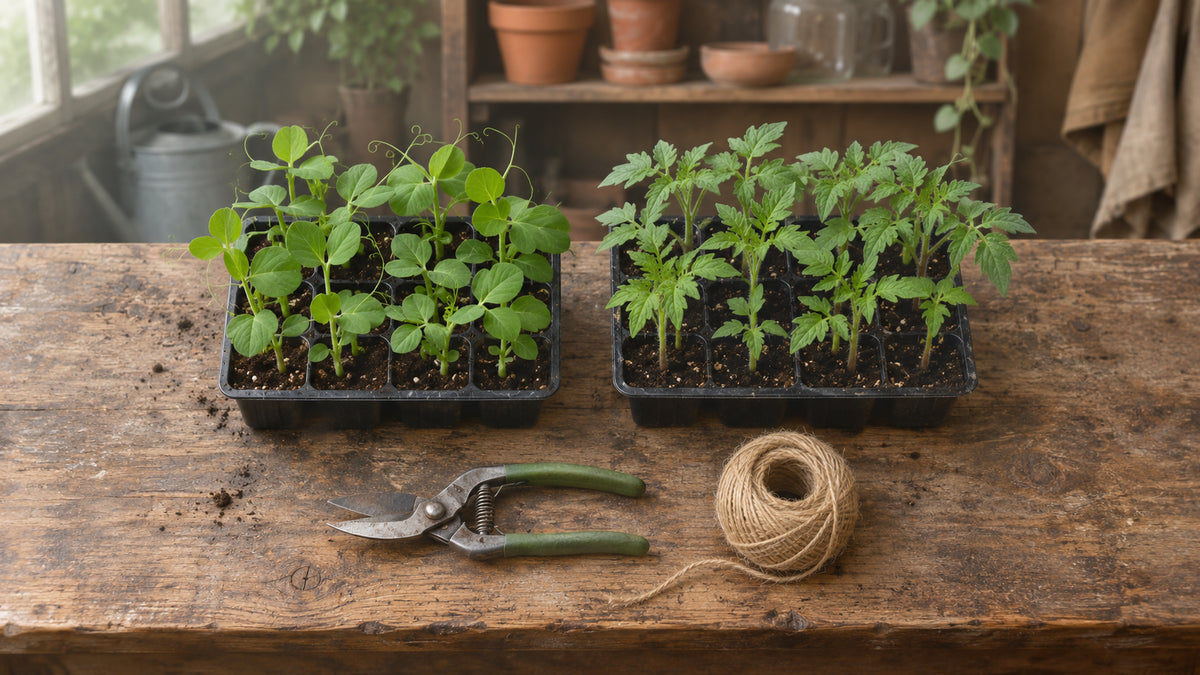
Spring in four reminders.
- 01Anchor every decision to your local average last frost date.
- 02Cool-season crops like lettuce, peas, and spinach often go in about two weeks before it.
- 03Tomatoes start indoors six to eight weeks before it and go outside after it.
- 04Harden seedlings off over about a week before transplanting.
Questions or notes? Drop them here.
A real grower replies within a business day.
No comments yet. Be the first.