Grow Guides · Harvest & Maintenance

End-of-Season Bed Reset

September 21, 2026· 7 min read· 0 comments

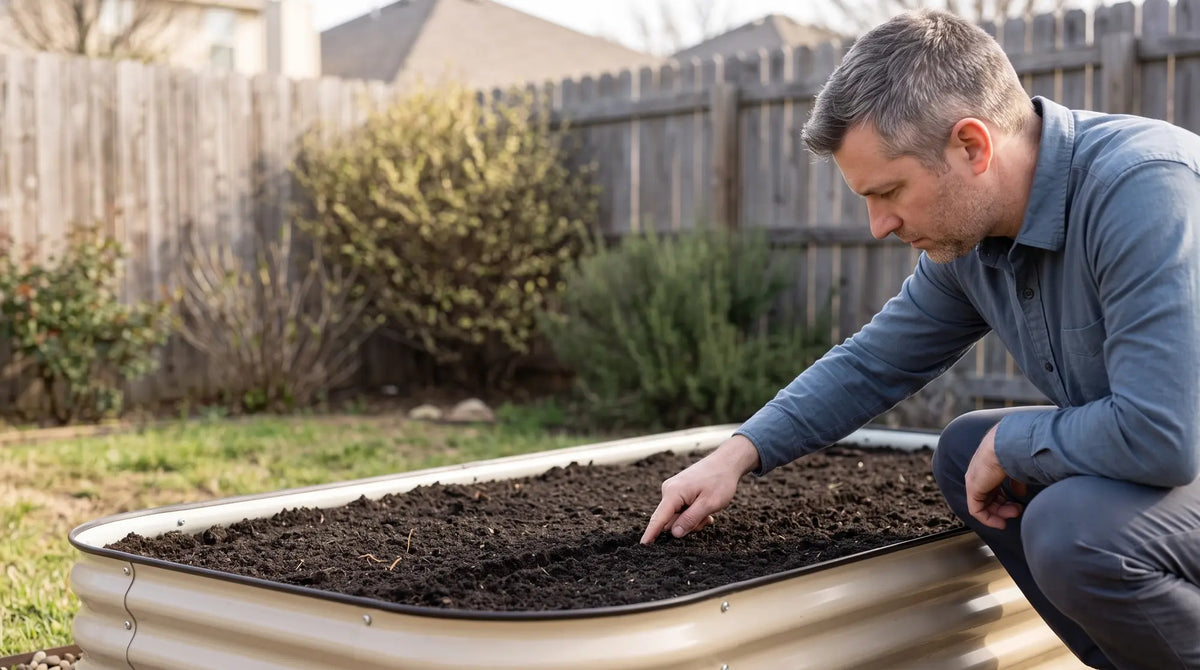
A bed that finished a strong season still has more to give, and the reset between cycles is what carries that performance into the next one. The Harvest Company treats the end of a season as a setup step, not a chore, because a refreshed bed skips the slow start a tired one forces on the next planting.

The whole reset comes down to three things: clearing what finished, refreshing the media instead of buying all new, and feeding the mix so the next cycle starts ahead rather than even.

Quick answer
Clear spent plants and roots, bagging anything visibly diseased instead of composting it in place. Work fresh buffered coconut coir and compost through the existing media rather than replacing it outright, then mix in earthworm castings for a gentle starting feed. Water the reset bed deeply to settle everything and give it a few days before the next planting.
End-of-Season Bed Reset
Refresh, do not replace

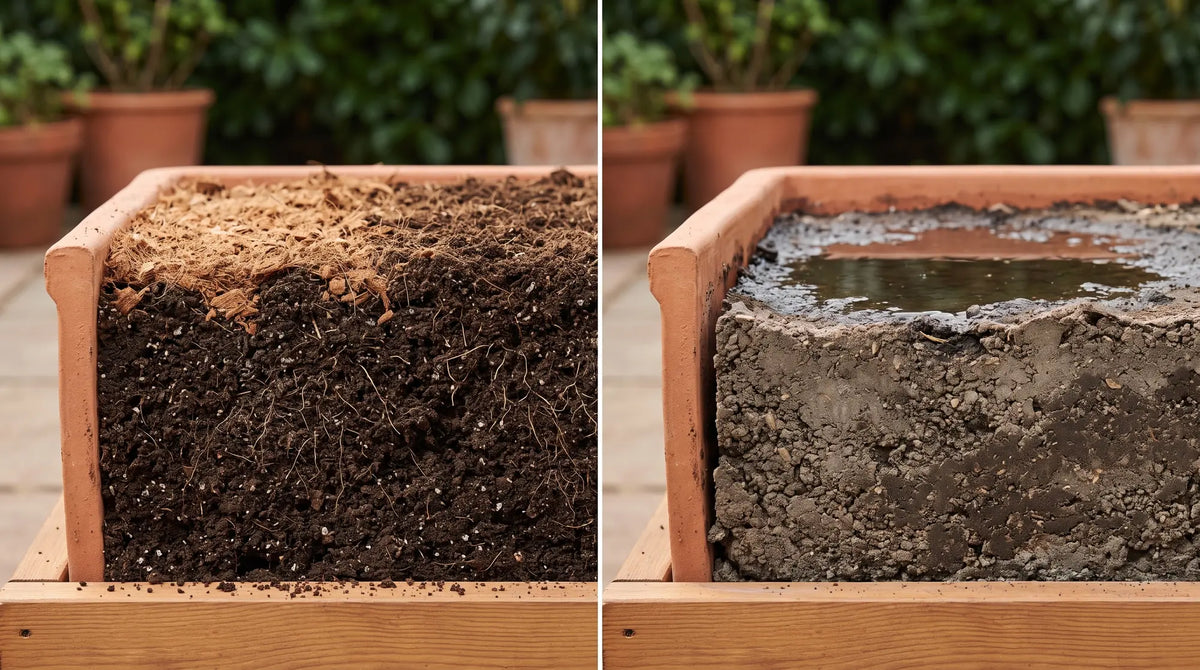
A full season compacts and depletes grow media, but the fix is usually working fresh coir and compost through what is already there, not buying all-new fill for every bed.

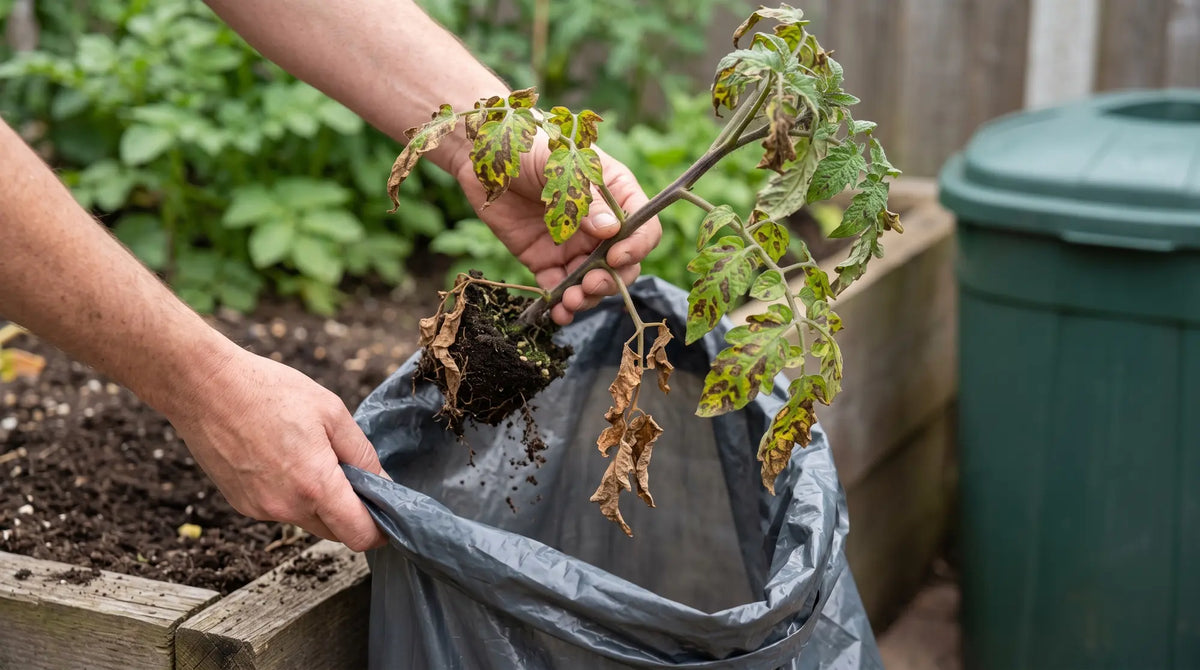
Bag anything diseased

Spent plants with visible disease or pest damage should go in the trash, not the compost pile or back into the bed, where the problem can carry straight into the next cycle.

Refresh or replace

How much of the media to change.

Both work. Which one fits depends on how the bed performed and what is left in the media.
Refresh the media
Replace it fully
When it fits
The bed drained and grew well, and the media just needs nutrients and structure restored.
The media has compacted hard, drains poorly, or showed disease pressure all season.
Cost
Lower. A brick of coir and a bag of castings covers most beds.
Higher, since the bed is filled from empty again.
Time
An afternoon to clear, work in amendments, and water it in.
A full fill and settle cycle before the next planting.
Root health outcome
Restored drainage and feed, close to a fresh bed's performance.
A true clean start, useful when the old media was the actual problem.
Best for
Most home beds and containers at the end of a normal season.
A bed with a real drainage or disease history worth starting over on.
Reset the bed

From spent season to ready for the next cycle.

Five steps, in order. Each one sets the bed up to perform from the first planting.
Clear the spent plants
Step 01Clear

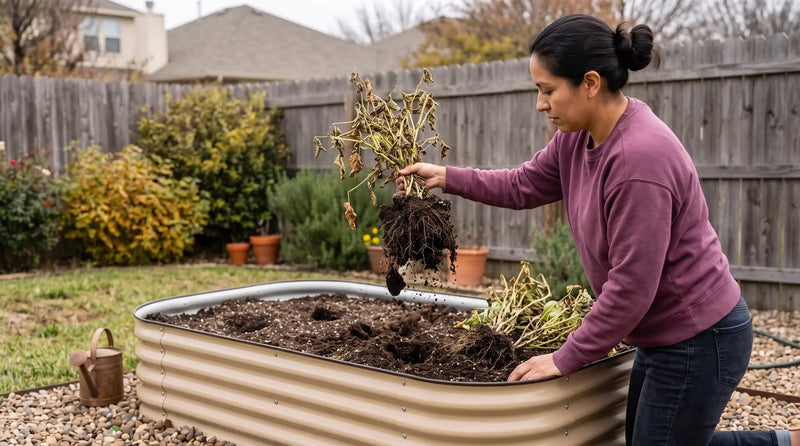
Clear the spent plants

Pull finished plants and their roots out of the bed. Compost what looks healthy, and bag anything showing visible disease or heavy pest damage instead of adding it to the pile or the bed.
Check what is left in the media
Step 02Check

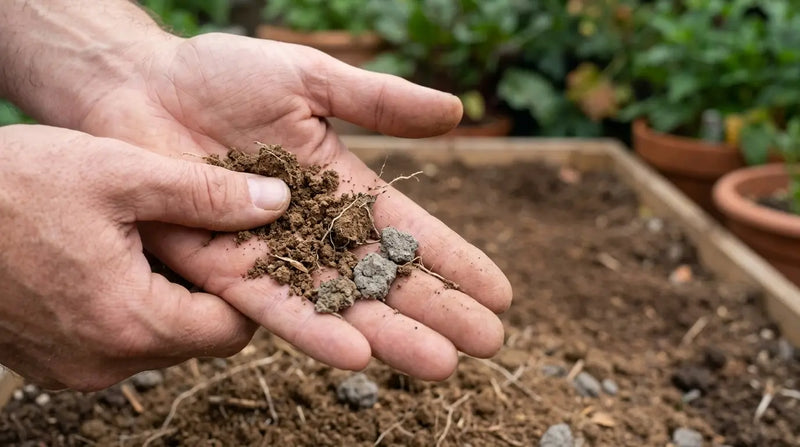
Check what is left in the media

A full season compacts media and draws down its nutrients, so check the structure and moisture-holding before deciding how much to refresh. Media that still crumbles and drains well needs less work than media that has gone dense.
Work fresh coir and compost through it
Step 03Refresh

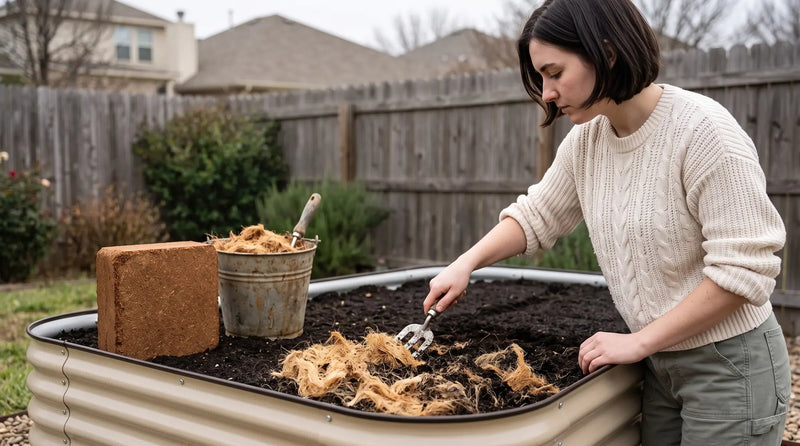
Work fresh coir and compost through it

Rehydrate a buffered coir brick and work it through the existing media along with compost, restoring the airy, draining structure the bed had when it was new, rather than buying an entire new fill.

Shop grow media
Feed the reset with castings
Step 04Feed

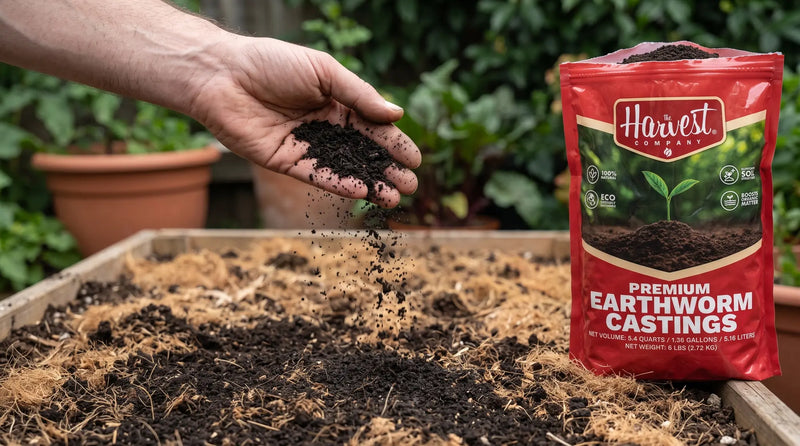
Feed the reset with castings

Work a light amount of earthworm castings through the refreshed mix to give the next cycle a gentle, steady starting feed rather than sending it into fresh, unfed media.
Water it in and let it rest
Step 05Settle

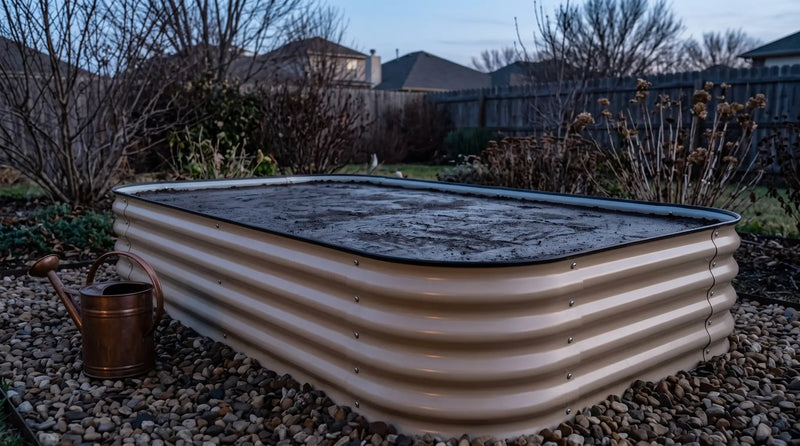
Water it in and let it rest

Water the refreshed bed deeply to settle the mix and remove air pockets, then give it a few days before the next planting so the amendments have time to integrate.

Why a reset falls short

Three habits behind a slow next season.

Each is a setup choice, easy to get right between cycles.

Common beginner mistakes
No.
Mistake
What goes wrong
The fix
Severity
01
Replanting straight into tired media
✕Putting new starts into the same compacted, spent media without refreshing it first, so the next cycle begins already behind where the last one ended.
✓Work fresh coir and compost through the bed before the next planting.
Most common
02
Skipping the between-season feed
✕Assuming a bed will feed the next crop the same way it fed the last one, when a full season's worth of nutrients has already been used.
✓Work earthworm castings through the refreshed mix for a gentle starting feed.
Common
03
Composting diseased plants back into the bed
✕Adding spent plants with visible disease or pest damage into the compost pile or straight back into the bed, which can carry the problem into the next cycle.
✓Bag and discard visibly diseased material instead of composting it in place.
Underrated
Key takeaways

Five things to remember.

  1. 01Clear spent plants fully, bagging anything diseased instead of composting it in place.
  2. 02Refresh the existing media with fresh coir and compost rather than buying an entirely new fill.
  3. 03Work earthworm castings through the reset mix so the next cycle starts with a gentle feed.
  4. 04Water the refreshed bed deeply and give it a few days before the next planting.
  5. 05A full media replacement is worth it mainly when the old media had a real drainage or disease problem.
Discussion

Questions or notes? Drop them here.

A real grower replies within a business day.

No comments yet. Be the first.

FAQ

Common questions about resetting a bed.

Usually not. Working fresh coir and compost through the existing media restores drainage and structure for most home beds. Full replacement is worth it mainly when the old media drained poorly or carried disease all season.
Healthy spent plants compost fine. Anything with visible disease or heavy pest damage should be bagged and discarded instead, since composting it in place or nearby can carry the problem into the next cycle.
A few days. Watering the refreshed bed deeply settles the mix and gives the amendments time to integrate before new roots go in, which makes for a smoother start than planting immediately.
Yes, on a smaller scale. Containers compact and deplete over a season just like beds do, so working fresh coir and a light feed through the existing media between plantings helps them perform the same way.
At the end of each growing cycle, typically once or twice a year for most home gardens. A light refresh between plantings within the same season also helps if a bed is being replanted quickly.
The promise

Grow better. Eat better. Every day.

Your partner in every harvest. Reset the bed once, and the next season starts ahead.

Posted September 21, 2026 · Updated October 5, 2026 · 7 min read