
Organic Amendments: Worm Castings and Aged Manure
Worm castings and aged manure feed the soil as well as the plant, adding organic matter and life that improve structure, hold moisture, and release nutrients slowly over the season. They give a feeding plan solid footing, especially in raised beds and containers.
Aged manure is the bulk builder for beds, and worm castings are the gentle, concentrated boost for containers and planting holes. Many gardens use both.

Fresh manure can burn young roots and may carry pathogens that do not belong near food crops. Use manure that has been aged or composted, and wash produce before eating it.
Amendments build the soil a plant grows in, and liquid feeds top it up during the season. Containers and heavy feeders like tomatoes usually need both.
Castings for a boost. Manure for bulk.
They differ in strength, volume, and where they work best, though both improve the soil.

From bed prep to the last harvest.
The soil gains a little more at every stage, from bed prep to the last harvest.
Decide where each amendment goes
Plan on aged manure for beds and in-ground rows, and worm castings for containers, planting holes, and seedlings. Many gardens use manure for the base and castings for the finishing touch.
Work aged manure into beds before planting
Spread a layer of aged manure over the bed and work it into the top several inches of soil a week or two before planting. This gives the soil time to settle and blend.
Blend castings into potting mix
Mix a modest share of worm castings into potting mix before filling containers. The castings add organic matter and microbial life to a mix that often starts with little of either.
Give each transplant a good start
Add a handful of castings to each planting hole, and consider a microbial root inoculant on the roots at transplant to help them establish in the new soil.
Side-dress heavy feeders in midseason
Around tomatoes, squash, and other heavy feeders, spread castings or aged manure on the soil surface a few inches from the stem and water it in. Liquid feed can continue alongside.
Top-dress beds at the end of the season
After the last harvest, spread aged manure or castings over empty beds. Over the off-season it settles into the soil and gives next year's planting a stronger start.
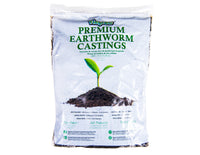
100 percent natural earthworm castings that improve soil structure, aeration, and moisture retention and bring beneficial microbes to the root zone. Odor-free and non-toxic for indoor and outdoor use.

Aged and finely screened cow manure, free of sand, sticks, and leaves, in a 40 lb bag. It improves soil aeration, drainage, and moisture retention, and is odor-free and easy to work with.

A microbial root enhancer with four species of endomycorrhizae and nitrogen-fixing bacteria, made for seedlings, transplants, and early growth. The 8 oz size suits home gardens.
Habits that undercut good soil.
The question is what you use and where it goes, more than how much you spend.


Soil first, then the plant.
- 01Worm castings and aged manure build the soil with organic matter, structure, and microbial life.
- 02Use aged manure to build up beds, and castings for containers, planting holes, and seedlings.
- 03Only use aged or composted manure around food crops, and wash produce before eating it.
- 04Amendments build the base, so keep feeding containers and heavy feeders during the season.
- 05Top-dress empty beds after the last harvest to give next year a stronger start.
Questions or notes? Drop them here.
A real grower replies within a business day.
No comments yet. Be the first.