Grow Guides · Mistakes

First-Time Grower Mistakes (and Fixes)

June 5, 2026· 7 min read· 0 comments

Almost every first-season garden runs into the same handful of things, and once you have seen them once they stop being mysterious. Yellow leaves and leggy stems and a plant that just sits there for weeks are mostly habits rather than catastrophes, and a small adjustment usually turns them around within a week.

The field-tested list of ten things we see most often, with the simple fix for each. Read it before your first season, or pull it up the moment something looks off.

Quick answer
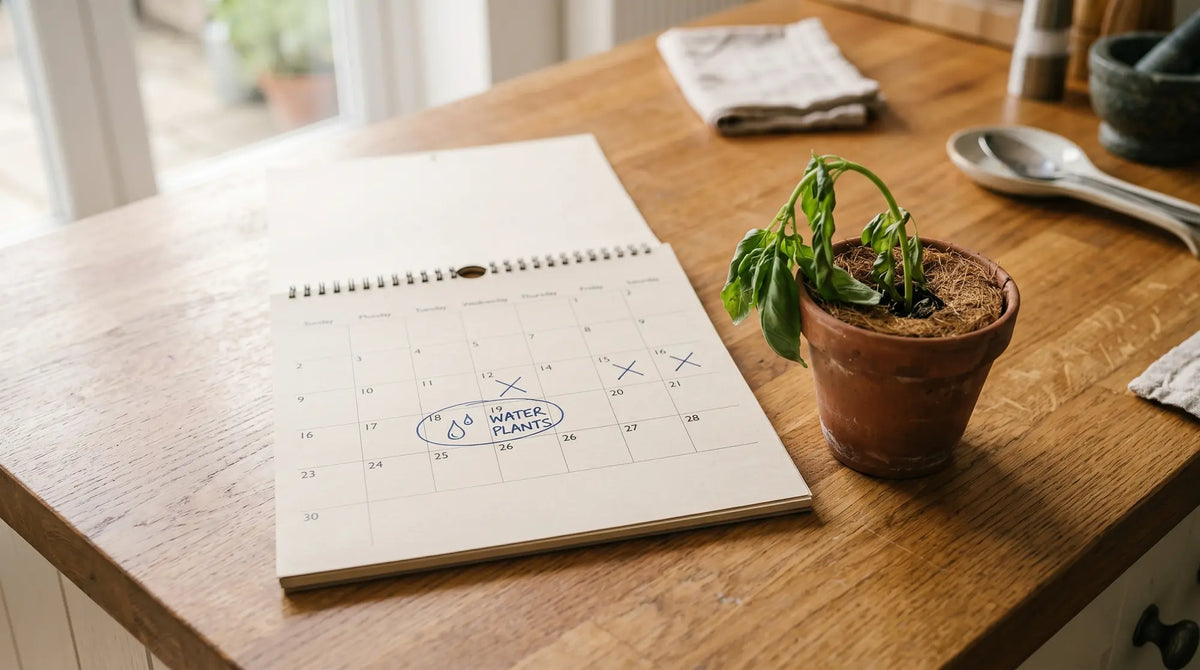
The first-season patterns we see most are over-watering, under-feeding, pots too small, light too low, and watering the calendar instead of the plant. Each one has a one-sentence fix, and none of them are fatal when you catch them in week one.
First-Time Grower Mistakes (and Fixes)
The plant is the diagnosis

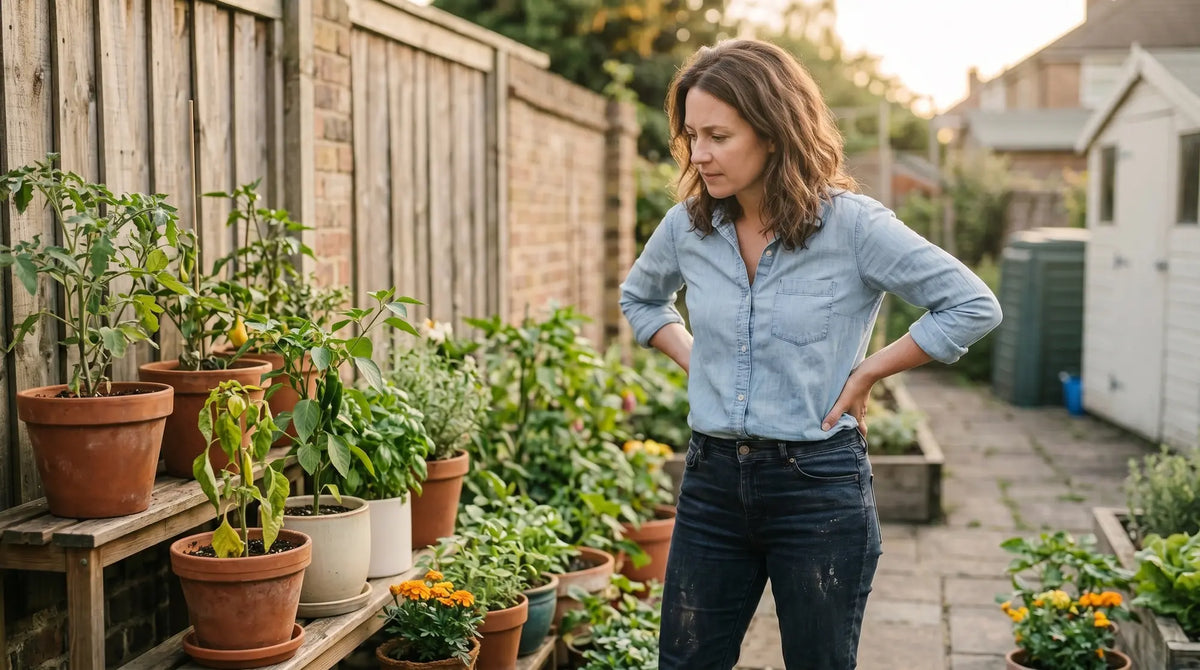
Almost every problem in a home garden shows up on the plant before the gardener notices. Yellow lower leaves, leggy stems, drooping tips. Learn to read the signals and the fixes are obvious.

It really is reps, not talent

Every experienced grower has lost more plants than most first-timers will see. The difference is reps, not talent. Every dead plant teaches the next plant.

The ten most common

First-season mistakes and the small fixes.

Each one is a habit, not a hardware problem. Catching them in week one usually saves the season.

Common beginner mistakes
No.
Mistake
What goes wrong
The fix
Severity
01
Watering on a fixed schedule
Every-other-day watering ignores how heat, light, and pot size change moisture loss.
Use the finger test or pot-lift. Water when the top inch dries, not on the calendar.
Most common
02
Pots too small for the crop
A tomato in an 8-inch pot stalls by week four. Roots hit the wall and the plant stops growing.
Match pot to crop. Herbs 6-10 inches, leafy greens 10-12, fruiting crops 14-18.
Common
03
No drainage holes
Decorative pots without holes hold water at the bottom, suffocating roots in days.
Use plastic nursery pots with drainage inside a decorative cover. Or drill the holes yourself.
Common
04
Treating coir like soil for feeding
Coir is a near-empty medium. Leafy greens stall around week three without a feed program.
Add a light liquid feed at half strength weekly from week two or three onward.
Common
05
Light too low for the crop
Fruiting crops in a north-facing window. Pale, leggy plants and no flowers.
Match the crop to the light. Herbs and leafy greens for dim windows, fruiting crops for bright spots or under a grow light.
Common
06
Over-planning, under-planting
Weeks of research without ever putting a plant in the ground. Confidence drops, motivation fades.
Pick one crop. Buy one pot. Plant it this week. Iterate from there.
Underrated
07
Skipping the mulch outdoors
A bare outdoor bed loses moisture fast and grows weeds faster than the crops.
Two to three inches of straw, leaves, or wood chip after planting. Single highest-impact outdoor habit.
Common
08
Same medium for years
Reusing the same pot of compacted medium season after season. Roots compress it, drainage drops, and growth tails off.
Refresh or replace medium every two to three cycles. Compost the spent.
Underrated
09
Planting outdoors before last frost
Tomatoes and peppers stalled by cold soil. One bad night kills the seedling.
Wait until nights stay above 50 °F consistently. Two weeks past the local last-frost date is usually safe.
Common
10
Growing what looks good, not what you eat
A glut of vegetables nobody in the house actually uses. Garden enthusiasm fades.
Plant what your kitchen pulls out of the fridge. Three productive crops beat ten unused ones.
Strategic
Read the plant

What each symptom usually means.

The most common visible signals and the usual cause. Almost every problem fits one of these patterns.
Symptom
Likely cause
Quick fix
Severity
Yellow lower leaves
Over-watering or nutrient lockout in unfed coir.
Check the medium first. Hold off if wet. Start a light feed if dry.
Common
Wilting in a wet pot
Root damage from chronic saturation. Roots cannot take up water even when present.
Pull plant, trim damaged roots, repot in fresh dry medium, water sparingly.
Serious
Pale, stretched stems (leggy)
Not enough light. The plant is reaching for what little light it can find.
Move to a brighter window or add a small LED grow light overhead.
Common
Slow growth despite feeding
Compacted medium or rootbound container.
Repot into fresh medium one size up. Loosen the root ball before placing.
Common
Brown leaf tips
Dry air, salt buildup from tap water, or feed too strong.
Flush medium with plain water every 3-4 weeks. Drop feed strength by half.
Cosmetic
Fungus gnats hovering
Chronically wet soil. They breed in saturated medium.
Let the top inch dry between waterings. Switch to coir, which rarely hosts them.
Annoying
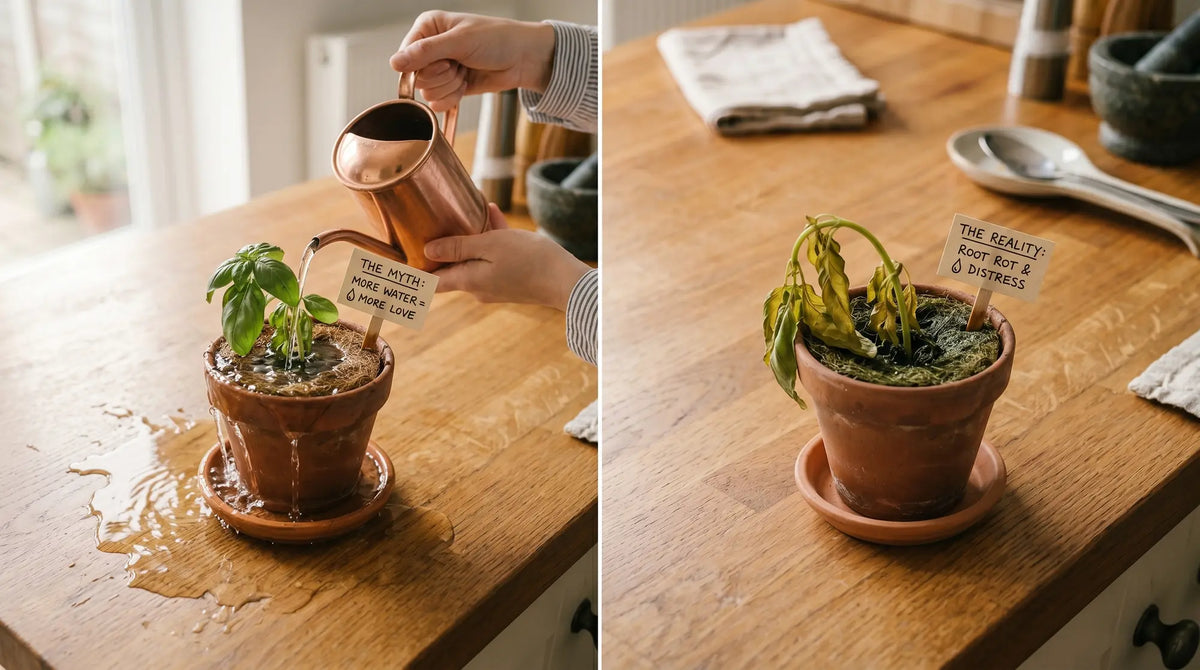
What you may have heard

Common myths vs what actually happens.
Common belief
What actually happens
Plants need water every day.
Most home garden plants want water every 2 to 4 days. Daily watering is almost always too much.
Bigger pots are wasteful for small plants.
A pot that is too small is the most common reason a young plant stalls. Bigger is almost always better than smaller for new growers.
Rocks at the bottom improve drainage.
They reduce root volume and create a soggy layer. Skip them. Real drainage holes do the job.
A black thumb is a real thing.
No. Every gardener has lost plants. The difference is reps, not talent. The next plant goes in better than the last.
Fertilizer is optional for new gardens.
For coir or container gardens, feeding is the program. Skip the feed and the plant stalls around week three.
More sun is always better.
Leafy greens and herbs prefer 4 to 6 hours; more can stress them. Match the light to the crop instead of maxing it.

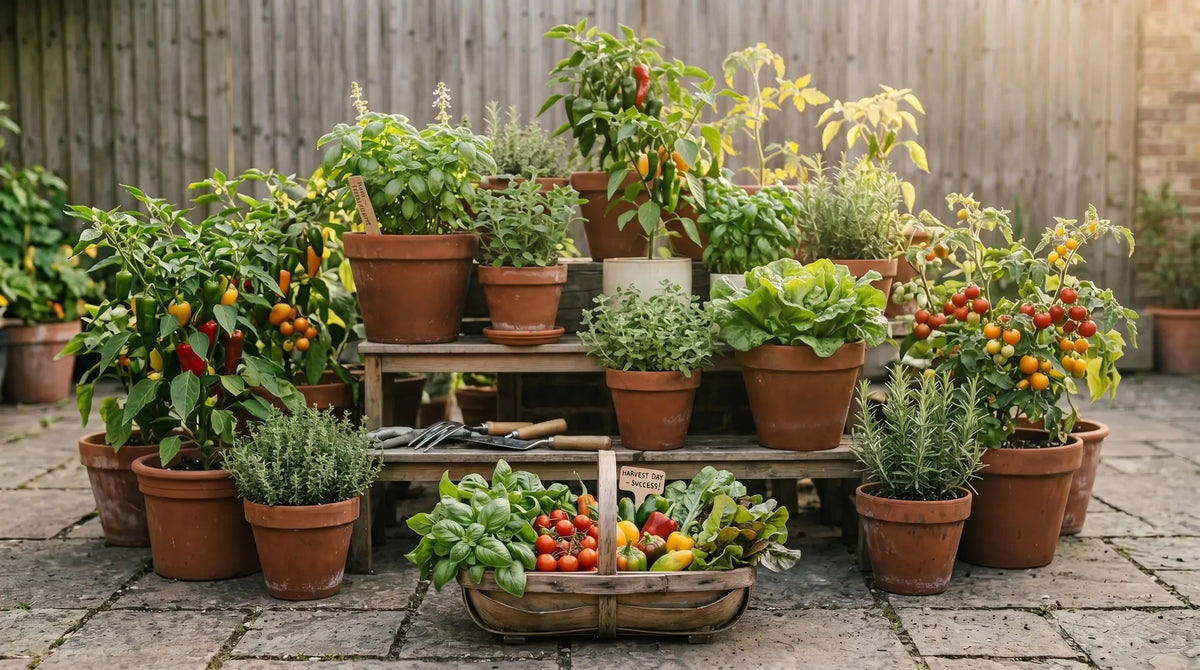
The plant shows you what it needs well before the harvest is at risk, and reading it gets easier every season.
The Harvest Company
Key takeaways

Six things to remember.

  1. 01The plant is the diagnosis. Almost every problem shows up visibly before it becomes fatal.
  2. 02Water by the medium, not the calendar. Top inch dry equals water now.
  3. 03Pot size and drainage solve more problems than any other gear change.
  4. 04Coir is a near-empty medium. Feeding is part of the program, not optional.
  5. 05Match the crop to the light. Reach beyond it and the plant stretches.
  6. 06Every experienced gardener lost more plants than you will lose this season. The next plant goes in better than the last.
Discussion

Questions or notes? Drop them here.

A real grower replies within a business day.

No comments yet. Be the first.

FAQ

Questions about fixing what went wrong.

Usually not. Most first-season problems are over- or under-watering, both fixable in a few days. Diagnose by looking at the medium, pot size, and light first. If the roots are still white and firm, the plant can almost always recover.
Push a finger one inch into the medium. Wet and soggy with droopy leaves means over-watered. Bone dry with droopy leaves means under-watered. Wet medium with droopy leaves is the most common, and the fix is to hold off watering for a few days.
Pull it out and check the roots. White and firm means it has a chance. Brown and mushy means it is done. For mushy-root plants, salvage what you can (often the top growth as cuttings) and replant the container with fresh medium.
Leggy growth almost always means not enough light. The plant is stretching toward what little light it can find. Move to a brighter spot or add a small LED grow light positioned 12 to 18 inches above the leaves.
Two weeks of effort with a clear diagnosis. If the plant is still declining after a fix and the roots are damaged, replace it. Save the season for the plants that can still recover. Year two will have fewer of these decisions.
Plant more. Every dead plant teaches the next one. Every successful harvest builds your read of the plant. Five seasons in, the same problems become five-second diagnoses.
The promise

Grow better. Eat better. Every day.

Every grower made these mistakes once. The fix is part of the craft.

Posted June 5, 2026 · Updated June 5, 2026 · 7 min read