
Plant Fertilizer Basics: What N-P-K Means
Every fertilizer label carries three numbers, and once you know what they stand for, choosing a plant food becomes a simple match between the formula and the stage your plants are in. Treat the label as the first line of a feeding plan, and it stops looking like a puzzle.
The numbers are the percentage by weight of nitrogen, phosphorus, and potassium, always in that order. Leafy growth leans on the first number, and flowers and fruit lean on the second and third.

The order on the label never changes, so a bag marked 15-0-0 holds nitrogen only, and a bottle marked 0-10-10 holds phosphorus and potassium with no nitrogen at all.
Higher numbers mean a more concentrated product, not a better one. The label's rate per gallon is what keeps a strong formula gentle enough for the roots.
Liquid concentrate or water-soluble powder.
Either one is mixed into water before it reaches the plant, so the difference lies in how you measure and store it.

From three numbers to a feeding choice.
Read left to right, these steps turn a label into a plan that fits your plants.
Find the three numbers on the front
The N-P-K ratio is usually printed large on the front of the bottle or bag. Read it left to right as nitrogen, phosphorus, and potassium, each one a percentage of the product's weight.
Nitrogen for leaves and stems
Nitrogen builds the green, leafy part of the plant. Young plants, leafy greens, and herbs use a lot of it, and a formula that leads with the first number supports that early growth.
Phosphorus for roots and flowers
Phosphorus supports root development and the energy a plant needs to set flowers. Its demand rises as tomatoes, peppers, and other fruiting crops begin to bloom.
Potassium for fruit and resilience
Potassium helps a plant move water, build sturdy stems, and fill out its fruit. Fruiting crops draw on it heavily from first flower through the harvest.
Check the secondary nutrients and micronutrients
Calcium, magnesium, and sulfur are needed in smaller amounts, and trace minerals like iron, zinc, and manganese in smaller amounts still. A complete program covers them, either in the base formula or in a separate product.
Match the formula to the stage
Use a nitrogen-forward formula while plants are growing leaves and stems, then shift toward phosphorus and potassium once flowers appear. A two-part system makes that shift a matter of adjusting two bottles.

Part one of a two-part liquid nutrient, with nitrogen and potassium plus calcium, magnesium, and chelated iron. It is used at 6 to 13 mL per gallon in soil, coco coir, or hydroponic systems.
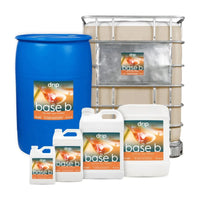
The partner to Base A, rich in phosphorus and potassium with magnesium, sulfur, and trace minerals. Together the two bottles cover the full feeding program for fruiting and flowering plants.

A fully water-soluble 0-32-32 powder with magnesium and sulfur and no nitrogen, made for flowering and fruiting. The 25 lb bag suits larger gardens that feed often.

A water-soluble blend of chelated iron, zinc, manganese, copper, boron, and molybdenum. It rounds out a powder program with the trace minerals plants need in small amounts.
Label-reading habits that cost a harvest.
The change is in how you read and measure the label, and no new product is involved.

What the label numbers tell you.
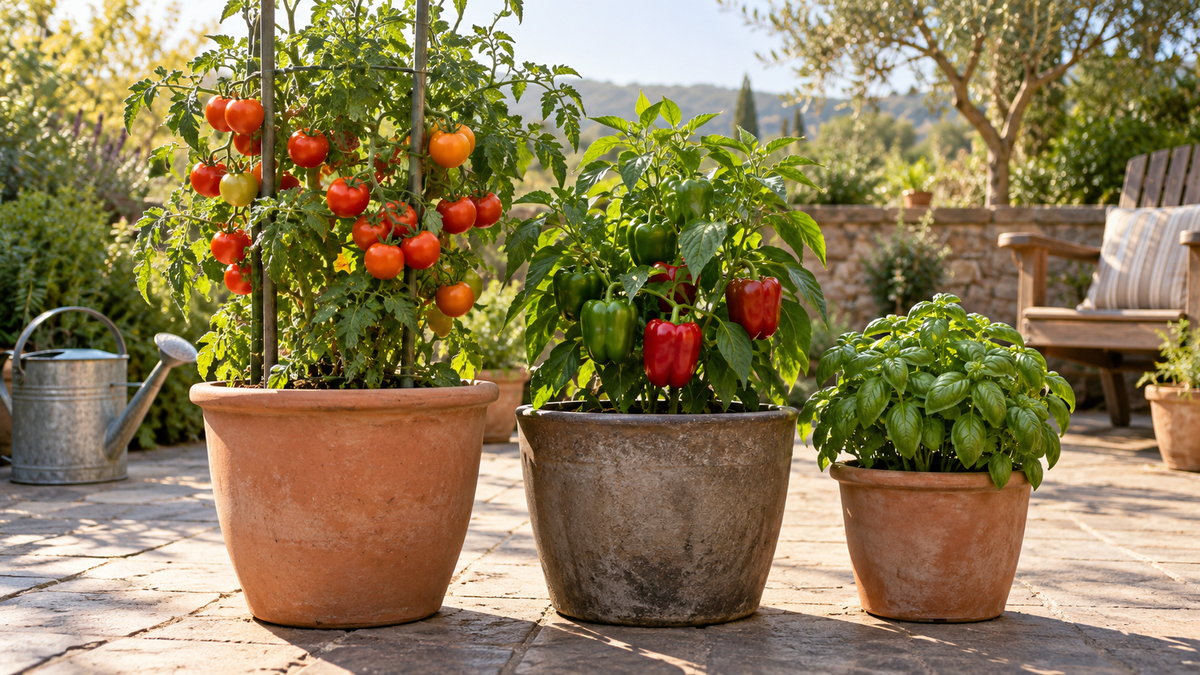
- 01The three numbers are nitrogen, phosphorus, and potassium, always in that order, as a percentage by weight.
- 02Nitrogen builds leaves and stems, phosphorus supports roots and flowers, and potassium supports fruit and sturdy growth.
- 03Use a nitrogen-forward formula while plants are growing, then shift toward phosphorus and potassium at flowering.
- 04Higher numbers mean a more concentrated product, so measure to the label rate every time.
- 05Calcium, magnesium, and trace minerals count too, so make sure your program covers them.
Questions or notes? Drop them here.
A real grower replies within a business day.
No comments yet. Be the first.