
What Is Hydroponics? A Beginner's Guide
Hydroponics is a way of growing plants with their roots in water and dissolved nutrients, or in an inert medium, instead of soil. It is a tidy, hands-on method that fits a counter, a spare room, or a small greenhouse.
Roots still need water, air, and food, and hydroponics delivers all three directly. The setup you build and the nutrient mix you use do the work that soil would otherwise do.

A first system is easier to read when it holds one kind of plant. Lettuce and basil are popular starters, and you can watch how the solution and the roots respond.
With no soil to buffer mistakes, the nutrient mix, the pH, and the oxygen at the roots all come from you. Once the routine is set, results tend to be steady.
Soil stocks the pantry. In hydroponics, you do.
The plant is the same. What changes is who manages the food, the water, and the air around the roots.
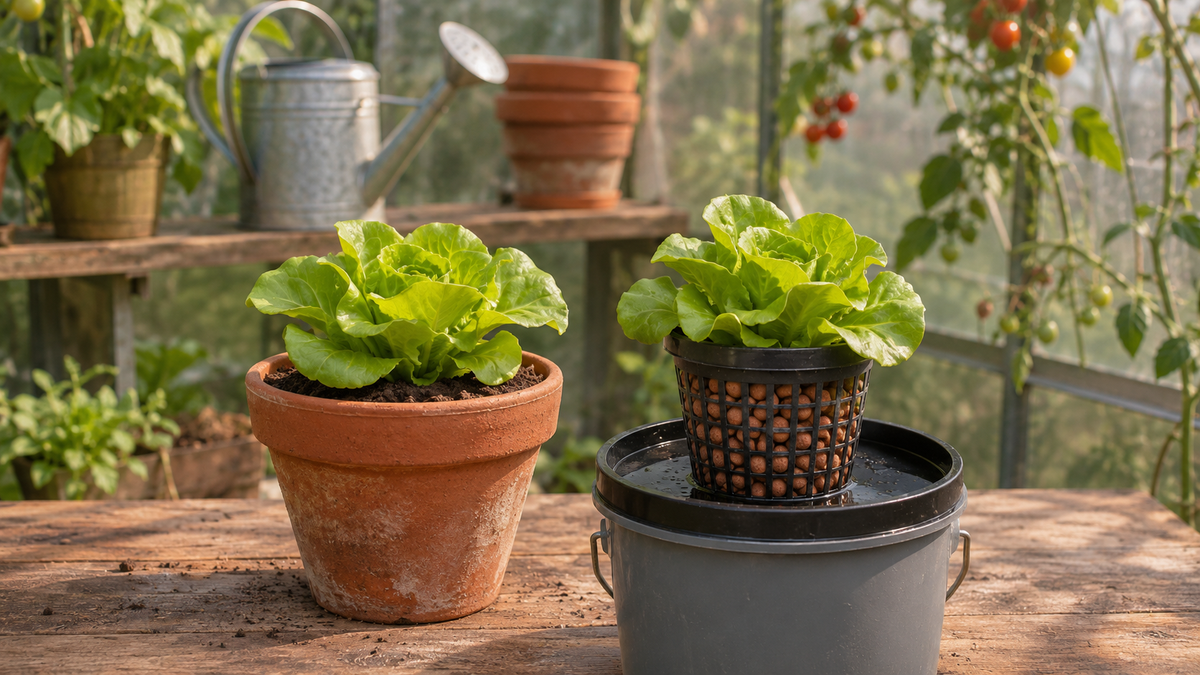
From empty bucket to first leaves.
A simple bucket-style setup is enough to learn on, and smaller is a good place to begin.
Pick a simple system and a plant
A bucket with a net-pot lid is a common first system. Choose one plant you like to eat, such as lettuce or basil, so the setup stays easy to watch.
Set up the reservoir
Use a clean, opaque container so light stays out of the water, which helps limit algae. A lid with built-in net pots, such as the DWC lid below made for 3.5 and 5 gallon buckets, sits on top.
Choose a medium to hold the roots
Expanded clay pebbles, like the round pebbles below, are a popular inert medium. They are light and porous, so they steady the plant while air and solution reach the roots.
Mix a nutrient solution
Measure a hydroponic nutrient into clean water at the rate on the label. A hydroponic mix has no soil to soften a heavy dose, so use the measured amount.
Check and adjust pH
Test the solution after mixing, for example with a liquid drop kit and its color chart. Many hydroponic growers aim for a mildly acidic range, and your plant and nutrient labels name the target to follow.
Check the system a few times a week
Look at the water level, the roots, and the pH. Top up as the plants drink, and refresh the solution on the schedule your nutrient label gives.

A heavy-duty deep water culture lid with four built-in 3-inch net pots that fits 3.5 and 5 gallon buckets. The black opaque plastic blocks light from the reservoir to reduce algae growth.
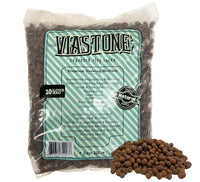
Lightweight, porous round pebbles made from natural clay, for hydroponic systems, propagation systems, greenhouses, outdoor gardens, and container setups.

A broad-range liquid drop test kit that reads from 4.0 to 10.0 for up to 160 tests, with a testing vial and a color chart. It tests water, nutrient solutions, and hydroponic systems.
Early habits that save a first system.
You can put each of these habits in place on day one.

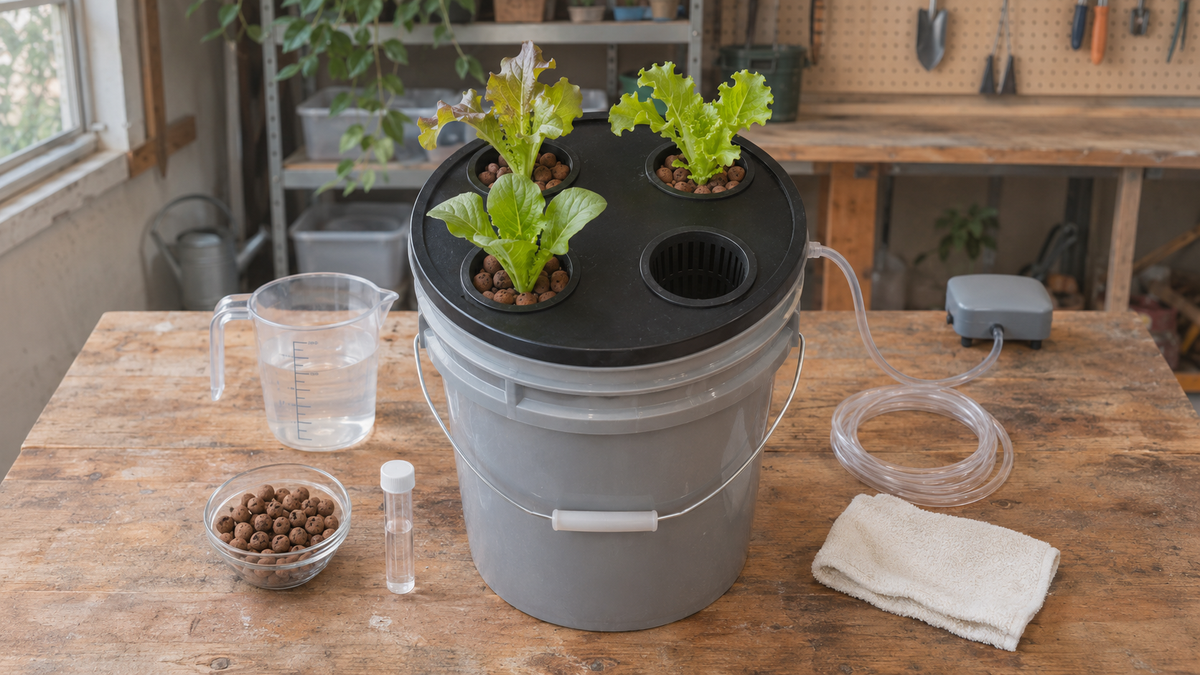
The core of a water garden.
- 01Hydroponics grows plants in water and nutrients, or in an inert medium, instead of soil.
- 02You supply the water, the nutrients, and the oxygen.
- 03A bucket with a net-pot lid is a simple first system.
- 04Measure nutrients at the label rate and test pH after every mix.
- 05Start with one plant type, and learn the rhythm before you add more.
Questions or notes? Drop them here.
A real grower replies within a business day.
No comments yet. Be the first.