

Perlite vs Vermiculite: Which One to Use
Perlite and vermiculite look alike in the bag, but they do opposite jobs in a pot. We sell both, and the choice comes down to whether your mix needs more air or more moisture.
Perlite opens a mix up so water drains and air reaches the roots. Vermiculite holds water and nutrients so they stay available longer. Many growers use both in the same blend.

If the mix stays soggy between waterings, reach for perlite. If it dries out faster than you can water, reach for vermiculite.
Vermiculite can hold on to nutrients you feed, but it does not supply a full diet. Keep following the feeding plan on your fertilizer label.
One opens the mix, the other holds on to water.
These are lightweight mineral amendments that do different work in the root zone.

Five steps from symptom to blend.
Decide what your mix needs first, then match the amendment.
Notice how your mix behaves
Watch a pot for a week. Note whether water pools on top, whether the pot stays heavy for days, or whether the soil pulls away from the sides within a day.
Add perlite to a mix that stays wet
Work perlite through the full depth of the mix. The white pieces create air pockets that let water move through and help keep the mix from compacting.
Add vermiculite to a mix that runs dry
Blend vermiculite in evenly so it can soak up water and hold nutrients near the roots. It releases both slowly, which smooths out the swing between watering days.
Pick a grade that suits the pot
Both amendments come in coarse and chunky grades that add more air space. Coarser pieces suit larger containers and raised beds, while standard grades blend more smoothly into small pots.
Change one thing at a time
Make a small test batch, water it in, and watch it for a week before mixing a large amount. Adjust the share of each amendment based on how the pot dries.
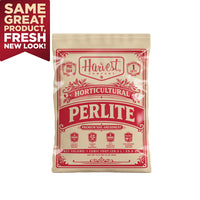
A lightweight, highly porous soil amendment made to improve drainage and aeration and to help prevent compaction. It can be used alone as an inert hydroponic medium or blended with coconut coir, compost, or soil.

A natural soil amendment made to improve moisture retention, aeration, and nutrient availability in potting mixes. Its high cation exchange capacity holds potassium, magnesium, calcium, and ammonium and releases them slowly to roots.

One cubic foot each of horticultural perlite and vermiculite #3, sold together as a growing mix for container gardens, raised beds, hydroponics, indoor plants, and custom potting mixes.
Where perlite and vermiculite get confused.
The two bags sit side by side on the shelf, so it is easy to treat them as interchangeable.


Perlite or vermiculite, at a glance.
- 01Perlite adds drainage and air, and vermiculite adds moisture and nutrient holding.
- 02Match the amendment to the symptom: soggy mix needs perlite, fast-drying mix needs vermiculite.
- 03Many potting mixes use both, so each one covers what the other lacks.
- 04Blend amendments through the whole mix, and test a small batch before a large one.
- 05Vermiculite holds nutrients but does not replace a feeding plan.
Questions or notes? Drop them here.
A real grower replies within a business day.
No comments yet. Be the first.