
Why a 1,650-Acre Guatemalan Farm Switched from Peat to Coir
At The Harvest Company we recently sat down with Ted in New Orleans for a real conversation about growing media. Ted helps run Armenia, a second-generation, 1,650-acre farm in Guatemala. The decision he made about seed-starting media is the same decision more home growers are making, for the same reasons.
Coffee, pine forestry, native reforestation, and on-site hydroelectric in one operation. The question that brought us together was simpler than the farm: peat or coir for starting seedlings.

Scale and sustainability in the same place.
Armenia is one of the most unusual operations we have come across, because it puts serious scale, sustainability, and energy independence all in the same place. Coffee is the primary crop, with seedlings, mature plants, and beans on the resale side.
The forestry cycle keeps pine seedlings on a planted, harvested, and replanted rotation. A native rainforest reforestation effort is restoring local habitat. The whole farm runs on on-site hydroelectric power, fully energy self-sufficient.

Why Ted looked beyond peat.
We first connected over seedling starters. Ted had been using peat-based plugs, which is a common choice for nurseries of every size. What growers do not always think about is how differently peat and coir behave under real-world stress.
Under a microscope, coir looks like a sponge and rehydrates quickly on contact with water. Peat has a different structure, and once it dries, it can be very hard to re-wet, even with patient watering.
In Guatemala's heat, that difference is the whole story. When a peat plug dries out, saving the seedling can be slow work, sometimes impossible, and it costs time, labor, and plant material every time it happens.
Coir behaves differently. It absorbs water again on contact, so seedlings survive dry spells and recover faster. The result, on Armenia and on a home propagation bench, is higher survival rates, fewer losses, and more consistent starts.

Performance and sustainability at once.
Coir is made from coconut husks, a renewable plant-based resource that would otherwise be a waste stream. Peat is harvested from peatlands, which are some of the most important carbon sinks on Earth.
Global peatland research estimates that degraded peatlands release roughly 2 gigatons of CO2-equivalent emissions per year, about 4 to 5 percent of total global greenhouse gas emissions. Healthy peat bogs store carbon, and mining peat releases that stored carbon back into the atmosphere.
Ted put it plainly:
One day these peat bogs are going to be shut down for the benefit of the world. And honestly, that alone is reason enough to switch to coir seed starters. But peat plugs are also costing me more than coir does.

Inside the Armenia nursery.
Coffee, pine, and native reforestation seedlings started in coir, photographed across the farm in Guatemala.
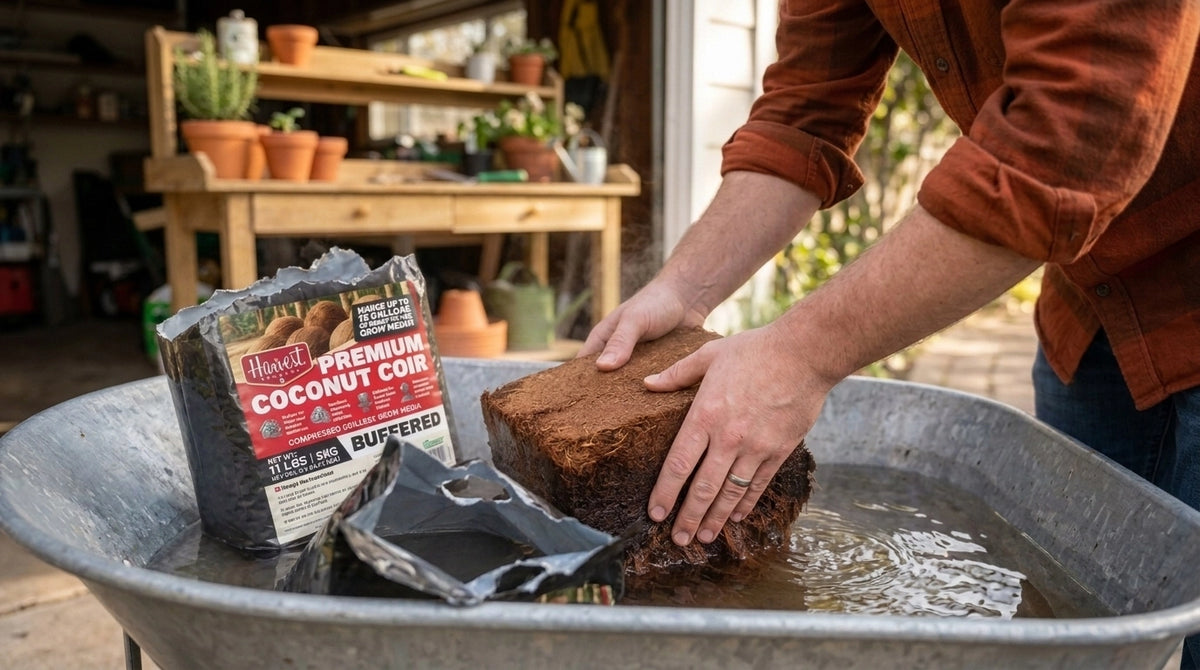
Coir rehydrates on contact with water, and peat that has dried out can be very hard to re-wet. Almost every other difference grows out of that one.
A forgiving medium turns a missed watering into a recoverable mistake instead of a lost seedling. The cost-saving and the sustainability case follow from the same physics.

Compressed 100 percent coco coir propagation plugs, ready to drop into any standard tray. The cleanest, most uniform way to start seedlings at any scale, with the same rehydration behavior that holds up under real-world heat.
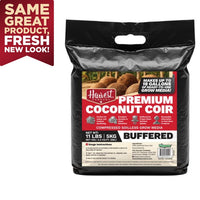
Efficient to ship and store, and it hydrates on demand. One buffered, triple-washed brick rehydrates into many liters of usable medium for raised beds, containers, or refilling propagation setups.
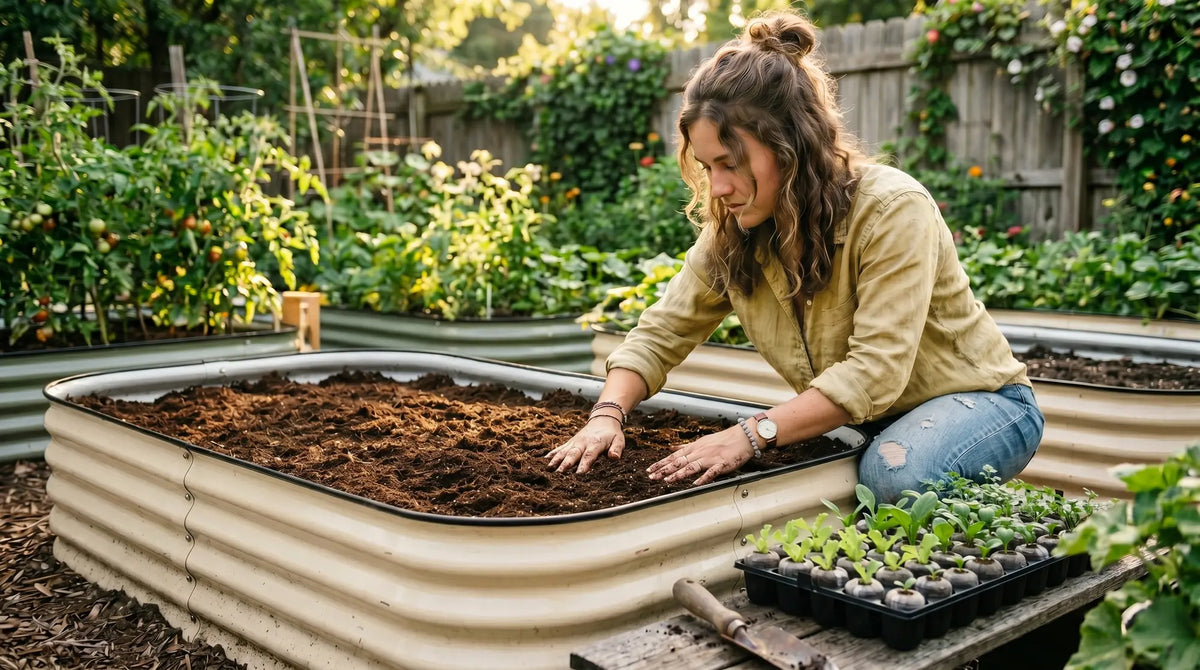
Five things to remember.
- 01Coir rehydrates on contact, and peat that has dried out can be very hard to re-wet.
- 02The rehydration difference shows up at any scale, from a windowsill tray to a 1,650-acre farm.
- 03Healthy peatlands store carbon; mining peat releases that stored carbon back into the atmosphere.
- 04Coir is a renewable byproduct of coconut processing, so the supply does not depend on disturbing carbon sinks.
- 05For most propagation, Coco Coins handle the seedling stage and a 5 kg brick refills everything that comes after.
Questions or notes? Drop them here.
A real grower replies within a business day.
Comments are closed on this guide. Email a grower if you have a question.