
What to Plant in Fall
Fall is a second planting season for cool-weather crops, and it runs on a calendar counted back from the first frost. The Harvest Company helps you find that date, pick the crops that fit it, and bring a few herbs inside for the winter.
Lettuce, spinach, radishes, and kale often grow well in cool weather, and garlic goes in during fall for a harvest the following summer.

Find your average first fall frost date, then subtract the days to maturity printed on each packet. Add a little extra, since growth slows as days shorten.
Plants grow more slowly as light fades, so a crop that matures in a few weeks in spring may take noticeably longer in fall. Plan for extra time.
Cool-weather crops outside, hardy herbs inside.
Many fall gardeners do both, and the choice comes down to how much time you want to spend in the cold.
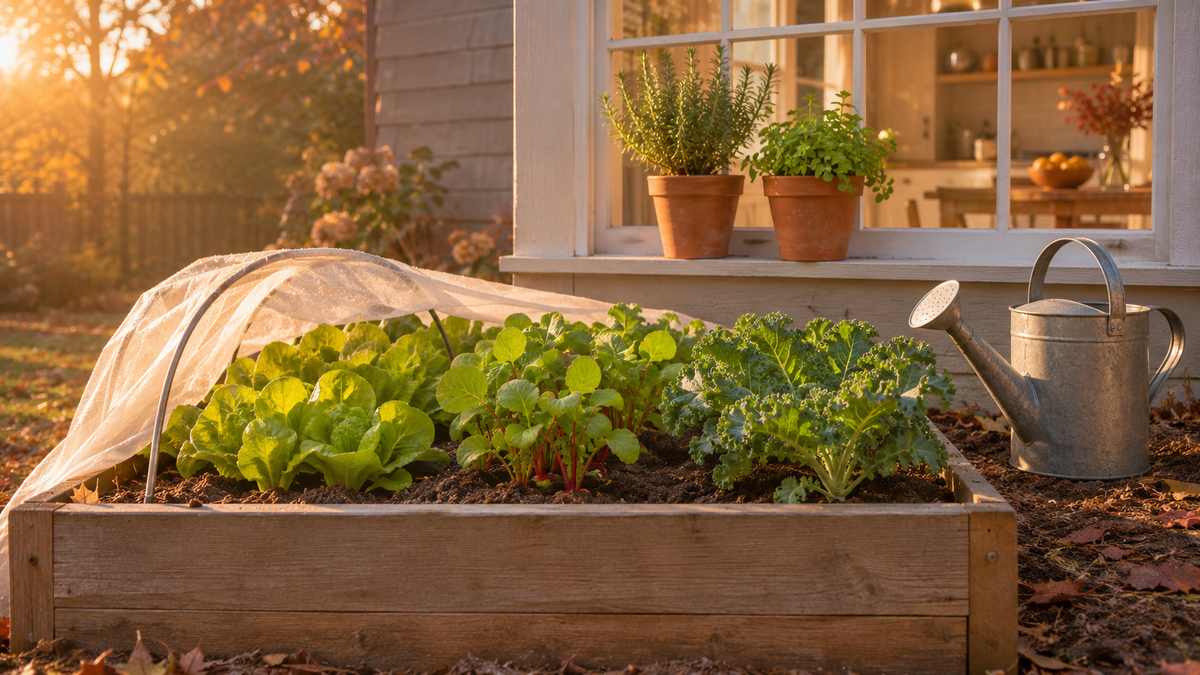
From late-summer cleanup to winter windowsill.
Work backward from the first frost and the plan arranges itself.
Look up your first fall frost
Your local extension service publishes an average first frost date. Mark it and count back by the days to maturity on each packet.
Free up a bed or a pot
Pull spent summer plants and loosen the soil. Mix in a scoop of compost or worm castings so the new seedlings have something to draw on.
Sow quick cool-season crops
Lettuce, spinach, and radishes can go in while the soil is still warm. Keep the seed bed evenly moist until the seedlings come up.
Plant garlic when the soil cools
Many gardeners set garlic cloves a few weeks before the ground freezes, then mulch lightly. Check your local guidance for timing.
Start herbs in containers
Sow or pot up parsley and oregano in pots with drainage holes, so you can carry them in when the nights turn cold.
Move herbs to a bright window
Set the pots on a sunny sill or under a grow light, and water when the top inch of soil is dry.
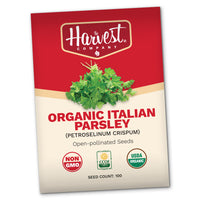
Certified organic, non-GMO, open-pollinated Italian parsley, 100 seeds. The listing describes a hardy herb for containers and raised beds.
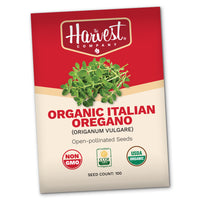
Certified organic, non-GMO, open-pollinated Italian oregano, 100 seeds. The listing calls it a hardy perennial for indoor and outdoor herb gardens.

A compact full-spectrum LED with a 6500K daylight spectrum and adjustable dimming. It fits on most tall propagation domes, per the listing.
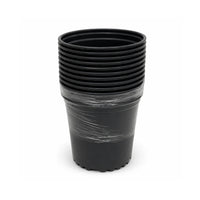
A BPA-free nursery pot with built-in drainage holes and a raised rim for easy handling, sold in trade gallons and suited to soil or hydroponic media.
Fall planting misses that run out the clock.
Spring timing carried into a season of shrinking days causes most of them.

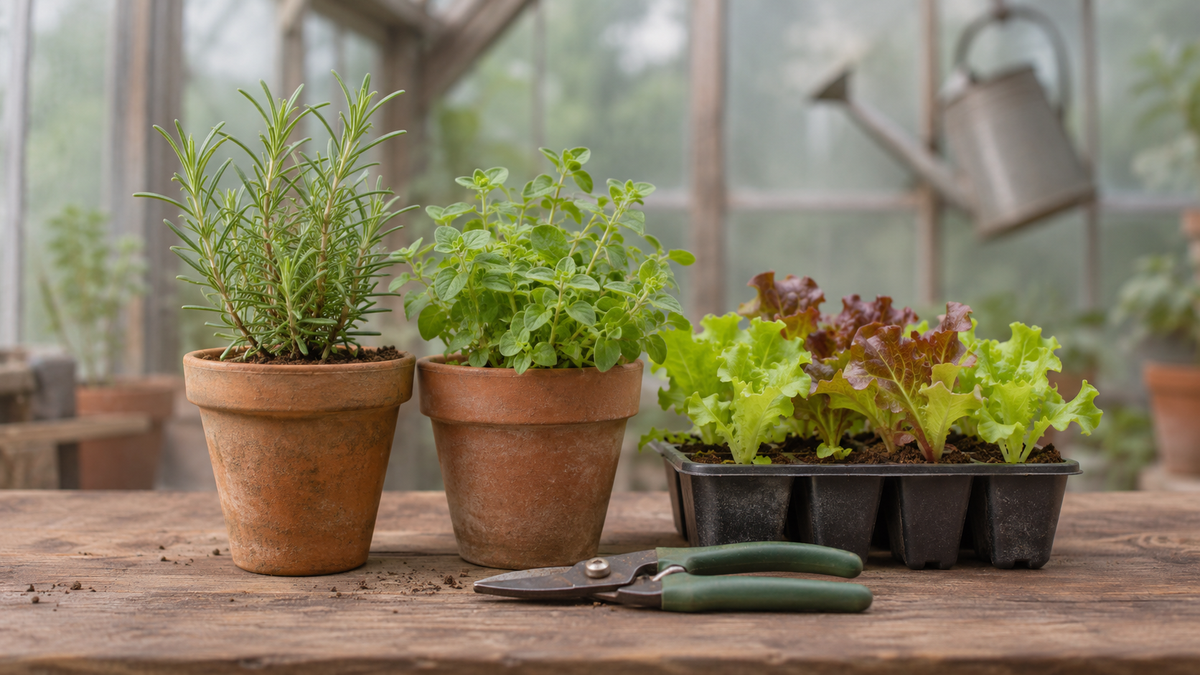
Fall planting, simplified.
- 01Count back from your average first fall frost date.
- 02Lettuce, spinach, radishes, and kale suit cool weather, and garlic goes in for next summer.
- 03Add extra time to the days to maturity because growth slows with shorter days.
- 04Grow hardy herbs like parsley and oregano in pots so they can come inside.
- 05Give indoor herbs a bright window or twelve to sixteen hours under a grow light.
Questions or notes? Drop them here.
A real grower replies within a business day.
No comments yet. Be the first.