
Planning a Kitchen Garden Around How You Cook
A kitchen garden works best when it starts from the recipe box instead of the seed catalog. The Harvest Company suggests listing the dishes you cook every week and growing the ingredients that make them taste fresh.
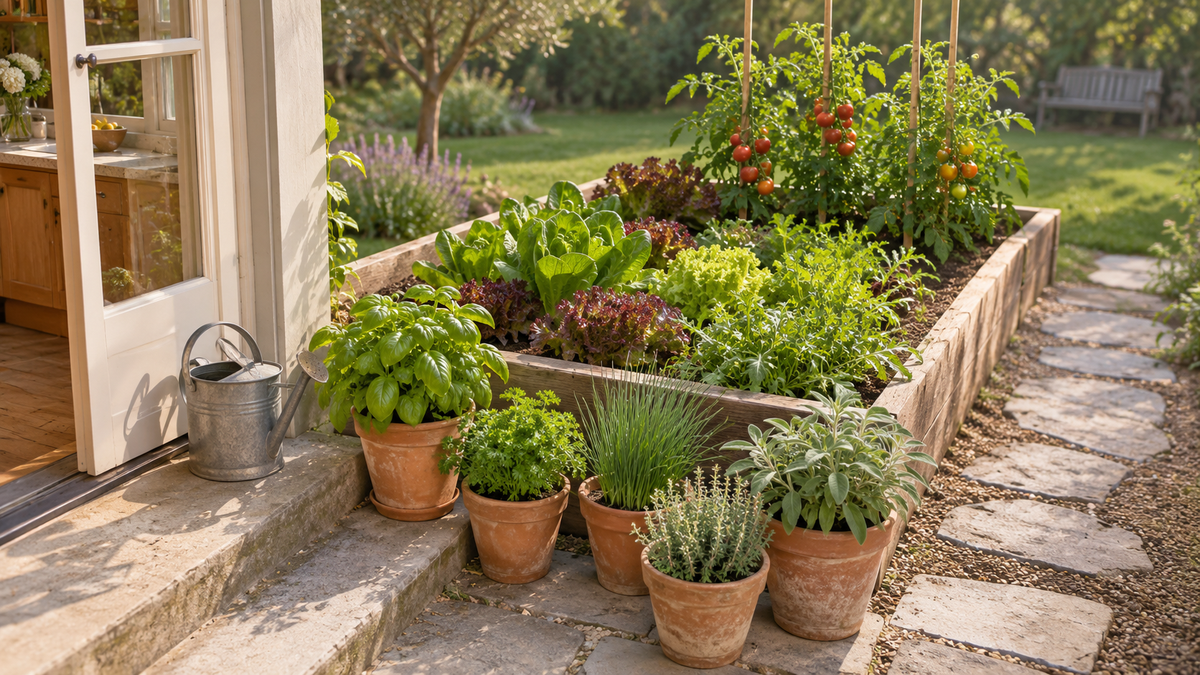
Daily herbs go closest to the door, weekly vegetables fill the main bed, and seasonal crops like tomatoes get the sunniest corner.

A bunch of basil or parsley from the store wilts in days. A pot of either, snipped as needed, is one of the quickest paybacks in a kitchen garden.
Ten tomato plants ripen faster than most kitchens can use them. Size each crop to what the household will cook, freeze, or share.
Daily, weekly, and seasonal crops belong in different places.
Sorting by how often you cook with an ingredient tells you where it should live and how much you need.
From recipe box to planting list.
Start on paper with your own menu, and the garden follows from that list.
Write down your five most-cooked dishes
Pick the dishes you cook on a normal week, not the ones you plan for holidays. Underline the ingredients that taste best fresh.
Group the ingredients by how often you use them
Daily herbs, weekly vegetables, and seasonal fruiting crops each get their own list. The groups decide where each plant goes.
Put the daily crops closest to the kitchen
Herbs you reach for with wet hands belong a few steps from the door, in pots or a front bed. Put tomatoes in the sunniest spot.
Stagger what you sow
Sow a little at a time for crops you eat regularly. Count back from your last frost date for tomatoes, six to eight weeks for indoor starts.
Start the herbs and tomatoes from seed
Sow them in a tray with a dome and gentle warmth. Check each seed packet for sowing depth and the days to germination.
Plan for what you cannot eat fresh
Decide ahead of time whether surplus will be frozen, dried, or stored. Having bags and a drying spot ready saves the harvest.
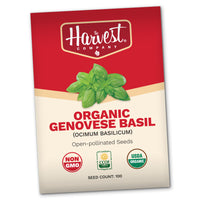
Certified organic, non-GMO, open-pollinated Genovese basil, 100 seeds. The listing recommends it for cooking, pesto, salads, and fresh garnish.
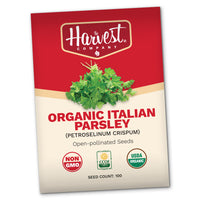
Certified organic, non-GMO, open-pollinated Italian parsley, 100 seeds. The listing describes a hardy flat-leaf herb for fresh cooking, garnishes, and everyday meals.
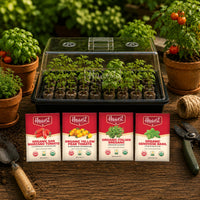
Certified organic basil, Italian oregano, San Marzano, and Yellow Pear tomato seed packs with a vented 7 in. humidity dome, a heavy-duty propagation tray, and a pre-filled coco coir insert tray.

FDA-compliant, BPA-free nylon bags for storing, freezing, and cooking garden produce, rated from -100 F to 400 F, per the listing.
Why the garden and the dinner menu drift apart.
They begin when the bed is planted for looks and the menu comes second.


The menu, mapped to the bed.
- 01Start from the five dishes you cook most, then open the seed catalog.
- 02Sort ingredients into daily, weekly, and seasonal groups.
- 03Put daily herbs near the door and tomatoes in the sunniest spot.
- 04Size each crop to what the household will cook or store.
- 05Have a plan for surplus, such as freezing, drying, or sharing.
Questions or notes? Drop them here.
A real grower replies within a business day.
No comments yet. Be the first.