
How to Clone a Plant from a Cutting
Cloning means taking a piece of a healthy plant and rooting it so it grows into a new plant just like the parent. It is the simplest way we know to multiply a favorite basil, mint, or tomato.
A cutting has no roots yet, so the job is to keep it moist, warm, and gently lit until it grows some. The steps below work for most soft-stemmed herbs and for tomato suckers.

The small shoots that grow between the main stem and a branch on a tomato plant can be rooted as cuttings. Many growers take a sucker a few inches long and treat it like any other stem cutting.
A cutting carries whatever the parent carries. Choose a vigorous stem from a plant with no pests or disease, and skip anything that looks stressed or spotted.
Soft stems root fast. Woody stems take time.
The age of the stem sets how long you wait, so pick a stem to match your patience.

From parent plant to rooted clone.
Gentle handling and steady moisture do most of the work from cut to plug.
Pick a healthy parent stem
Look for a vigorous, non-flowering stem a few inches long on a plant that is growing well. Water the parent the day before so the stem is full of moisture.
Cut just below a node
Use a clean, sharp blade and cut at a slight angle just below a node, where the leaf meets the stem. A clean cut closes sooner and gives roots a place to start.
Strip the lower leaves
Remove the leaves from the bottom half of the cutting so none sit below the medium. Leave a few at the top, and trim large ones in half to cut down on water loss.
Dip the cut end in rooting gel
Many growers coat the cut end in a rooting gel before planting. It is optional for easy herbs and helpful for slower ones. Follow your product label for how to apply it.
Set it in a damp plug
Soak a coir plug, make a small hole with a pencil, and slide the cutting in so a node sits below the surface. Firm the plug gently around the stem.
Keep it humid and lit gently
Cover the cuttings with a dome and keep them in bright, indirect light. Check that the plug stays damp, and tug a stem lightly after a couple of weeks to feel for resistance.

Individually wrapped high-carbon surgical steel blades made for precise cuttings that limit plant stress. Each box holds 10 scalpels with a plastic sheath, and they are intended for gardening use only.
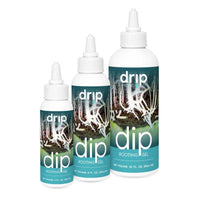
A clear, no-dye rooting gel with 0.35% IBA. The thick formula coats the stem and stays in place, and it is compatible with soil, coco coir, peat mixes, rockwool, starter plugs, and hydroponic cloners.

A 78-count pack of compressed seed starting and cloning plugs made from RHP-certified, peat-free coco coir. The coir is triple washed to a low EC and buffered with calcium and magnesium.
Why a new clone stalls at the bench.
Moisture and cleanliness cause most of the trouble, and both are easy to adjust.


At the cutting bench.
- 01A cutting is a piece of a healthy plant rooted to make a new plant like the parent.
- 02Cut just below a node with a clean, sharp blade and strip the lower leaves.
- 03A damp, airy plug and a humid dome give soft cuttings the moisture they need.
- 04Soft-stemmed herbs root faster than woody ones, so match your patience to the stem.
- 05Move rooted clones into a small pot and grow them on gently.
Questions or notes? Drop them here.
A real grower replies within a business day.
No comments yet. Be the first.