Grow Guides · Light

How Much Light Do Plants Need?

July 10, 2026· 7 min read· 0 comments

Light is the one input a plant cannot do without, and most of what goes wrong in a first garden traces back to a crop placed in too little of it. The Harvest Company starts every garden plan with light, because the space you have decides what will actually thrive there far more than any feed or container choice. Match the plant to the light and the season runs easy. Fight the light and even careful watering will not save the harvest.

Most edible crops sort into three groups by the hours of direct light they want, and reading which group your space can support is the first decision worth making.

Definition
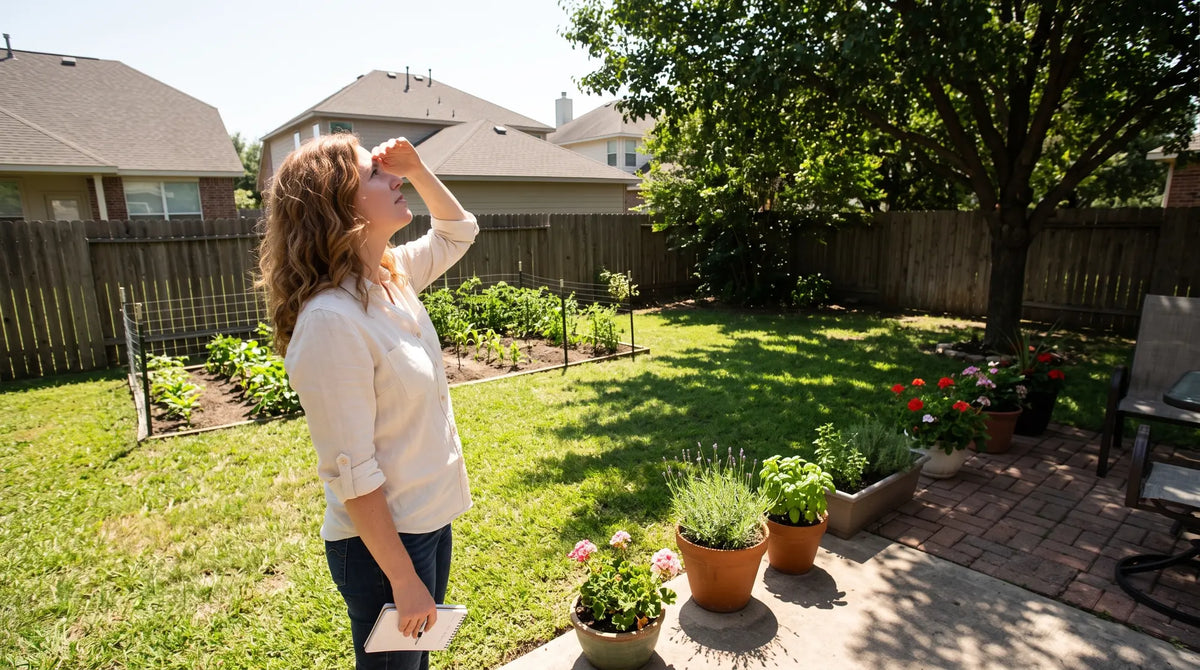
Most fruiting vegetables, tomatoes, peppers, cucumbers, and squash, want six or more hours of direct sun a day. Leafy greens and most herbs do well on four to five hours. A handful of crops, like lettuce and mint, tolerate three to four hours or bright indirect light. Count the hours of direct light a spot gets before choosing what to grow there.
How Much Light Do Plants Need?
Count the hours before you plant

Watch a spot across one clear day and note how many hours the sun lands on it directly. That single number tells you more about what will grow there than any label on a seed packet or plant tag.

Read the plant, not the calendar

A plant short on light stretches toward the window, spaces its leaves far apart, and leans. A plant with too much can scorch or bleach at the edges. The growth itself tells you whether the light is right.

Sun-loving or shade-tolerant

Match the crop to the light.

Both ends grow good food. The difference is how many hours of direct light the spot gives, so read your space first.
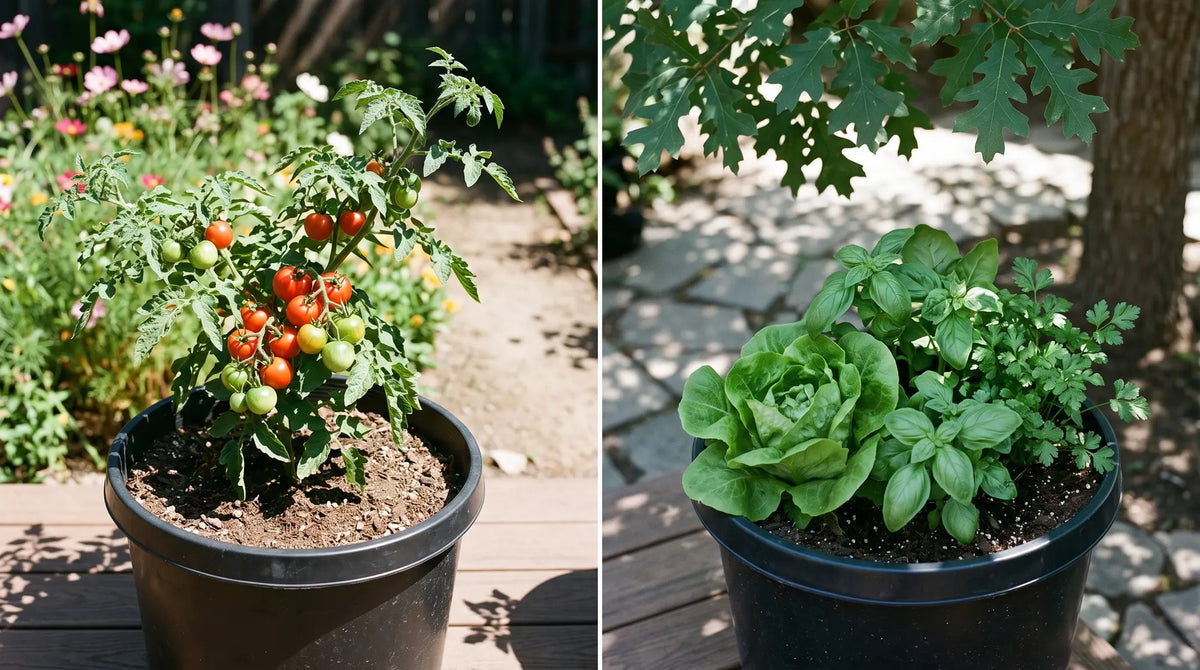
Full sun (6+ hours)
Low light (under 4 hours)
What grows well
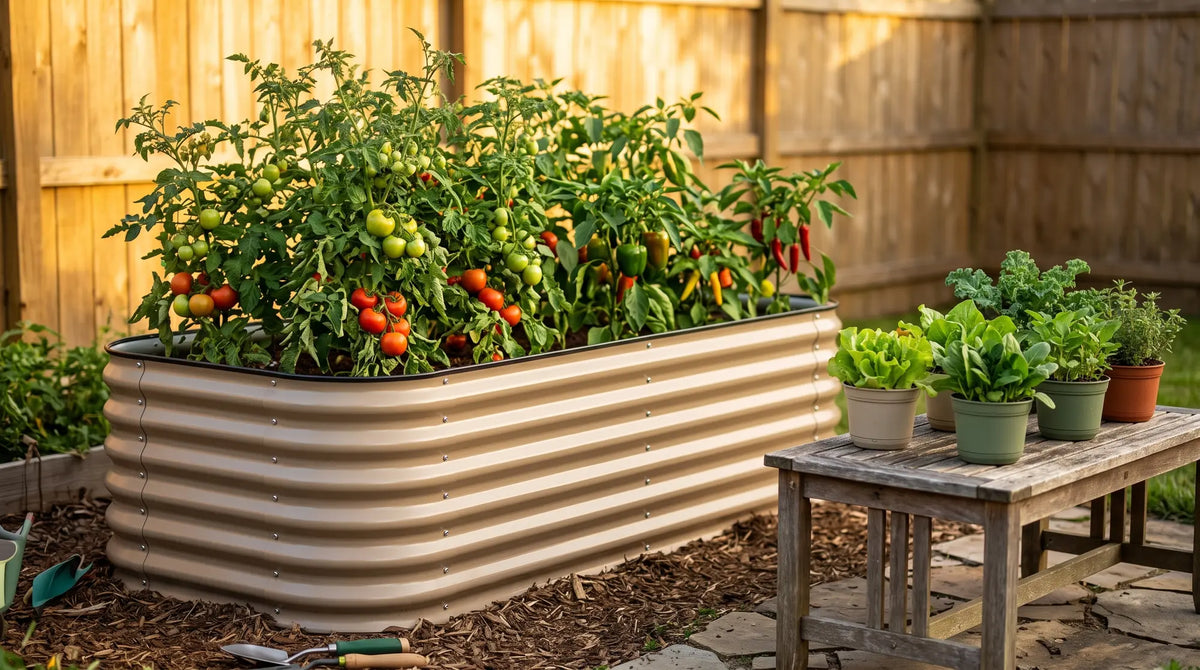
Tomatoes, peppers, cucumbers, squash, beans, and most fruiting crops that need energy to set fruit.
Lettuce, spinach, arugula, mint, parsley, and leafy crops that grow on less and bolt in harsh sun.
Best position
A south-facing window indoors, or the open, unshaded part of a yard or balcony.
An east-facing window, a partly shaded patio, or the bright edge of a tree's shade.
Sign of too little
Few or no flowers, leggy stretching, and fruit that never sizes up.
Pale, stretched, widely spaced leaves as the plant reaches for more light.
Sign of too much
Rare at this tier, though midsummer heat can still scorch in reflected light.
Bleached or crisped leaf edges and wilting through the hottest part of the day.
First move
Site fruiting crops in the brightest spot you have and protect nothing from the sun.
Lean into greens and herbs, or supplement with a grow light if the space stays dim.
Key takeaways

Five things to remember.

  1. 01Light is the input a plant cannot do without, so the space you have decides what will thrive more than any other choice.
  2. 02Fruiting crops like tomatoes and peppers want six or more hours of direct sun a day to set and size their fruit.
  3. 03Leafy greens and most herbs do well on four to five hours, and a few tolerate three to four or bright indirect light.
  4. 04Count the hours of direct light a spot gets across a clear day before deciding what to grow there.
  5. 05The plant tells you when light is short: it stretches, leans, and spaces its leaves wide as it reaches for more.
Discussion

Questions or notes? Drop them here.

A real grower replies within a business day.

No comments yet. Be the first.

FAQ

Common questions about light.

Full sun means six or more hours of direct, unfiltered sunlight a day. It does not have to be continuous, so a spot that gets four hours in the morning and two in the afternoon still qualifies. Partial sun usually means three to six hours, and full shade means less than three.
A south-facing window gives the most, often enough for herbs and leafy greens and sometimes for compact fruiting crops. East and west windows give a few hours of direct light, which suits greens and herbs. North-facing windows give bright indirect light at best, where a grow light usually helps.
Outdoors, most edible crops handle full sun well, though intense midsummer heat can scorch leaf edges on tender greens. Indoors under a grow light, plants placed too close can bleach or curl, which is a distance problem rather than a sign the plant dislikes light.
Watch the growth. A plant reaching for light stretches tall with long gaps between leaves, leans toward the brightest direction, and grows pale. Compact, evenly spaced, well-colored growth means the light is in the right range.
No. Fruiting vegetables like tomatoes and peppers do, but leafy greens, many herbs, and some root crops produce well on four to five hours or in bright indirect light. Matching the crop to the light you have is the whole point rather than forcing full-sun crops into a dim space.
The promise

Grow better. Eat better. Every day.

Your partner in every harvest. Start with the light you have, and the rest of the plan falls into place.

Posted July 10, 2026 · Updated July 10, 2026 · 7 min read