For a lot of gardeners, the first cold stretch of the year feels like a finish line. The last vegetables come inside, the beds start looking a little emptier, and suddenly you’re packing up tools instead of reaching for them.
Winter doesn’t mean you have to stop growing. The garden changes, but you have more options than you think.
Depending on where you live, you might be able to keep cold-hardy crops going outside with a little protection. You can bring herbs indoors, start a small windowsill garden, or create a more controlled indoor setup with grow lights. And if you are ready to give the garden a break, winter is also a chance to take care of the soil and start planning for spring.
Whatever route you take, winter is still an important season for your garden.
Here are a few ways to keep growing when the temperature drops.
First, Learn About Your Winter Conditions
Winter gardening in Montana is going to look very different from winter gardening in South Carolina. Before deciding what stays outside, start with your local conditions.
Your average first frost date is useful, but it isn’t the whole story. Pay attention to nighttime temperatures, sunlight, wind exposure, and the little microclimates around your garden. If you have a protected garden bed beside a south-facing wall, you might be surprised by what you can pull off compared to a shady, exposed container on a patio.
Then, think about what “cold” actually means where you live. A gardener in Southern California might be preparing for the occasional chilly night or light frost, while a gardener in Virginia may be dealing with repeated freezes. Farther north, winter can mean long stretches where temperatures stay below freezing and the ground itself freezes.
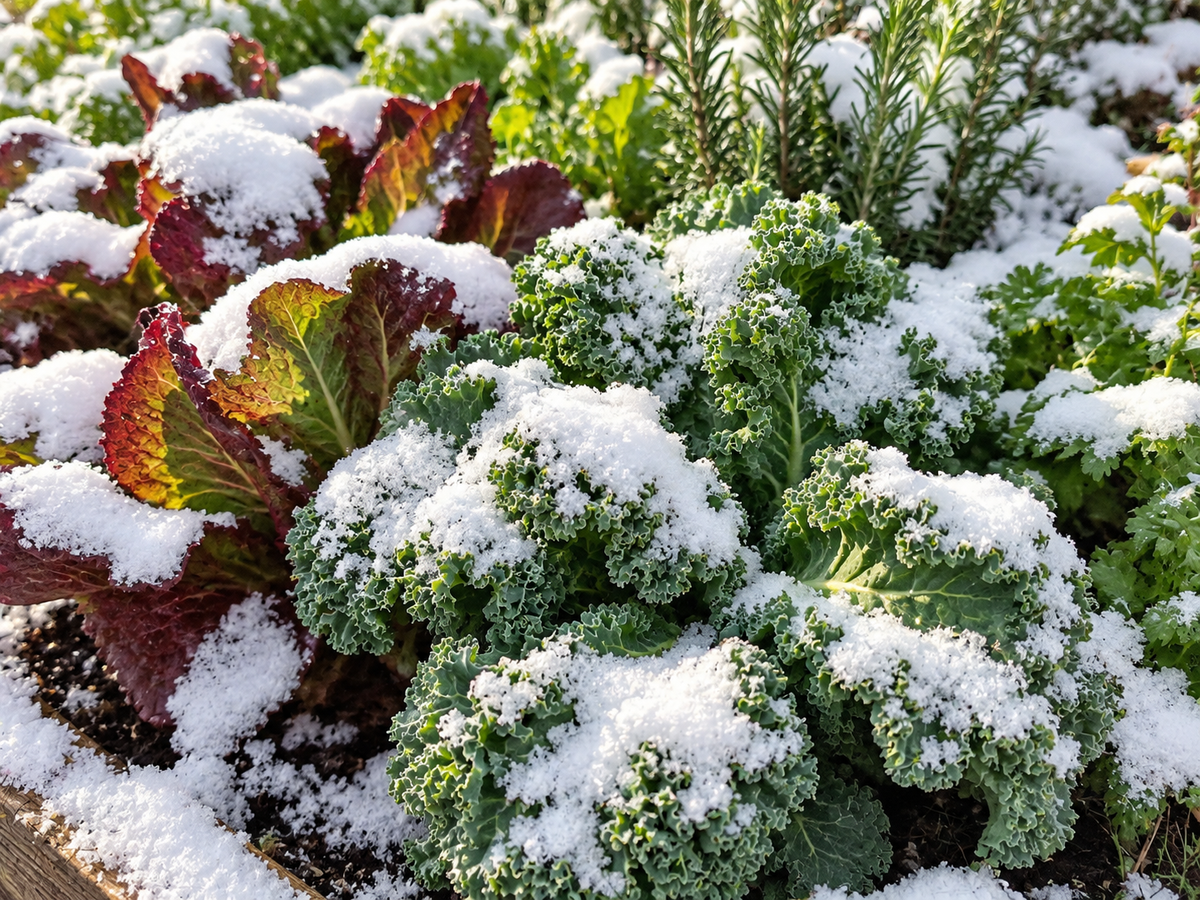
Those differences determine what you can realistically keep growing outside. Cool-season crops such as kale and spinach can tolerate colder conditions than warm-season crops like tomatoes and peppers, but even cold-tolerant plants have their limits.
In a mild climate, winter might simply mean switching crops. In an area with occasional freezes, it may mean growing cold-hardy crops and protecting them on the coldest nights. But if your climate has more sustained freezes, your outdoor growing options become much more limited and moving the operation indoors may make more sense.
Instead of asking whether it’s too cold to garden, look at the temperatures your area actually experiences and match your crops and growing setup to those conditions.
Give the Outdoor Garden a Little More Time
If your local temperatures still allow for outdoor growing, the next step is protecting the crops that can handle the cold.
Once those final warm-weather crops have been harvested, it's time to shift your attention to what can keep growing. Not every plant in your garden is worth trying to carry into colder weather, so start by deciding what has a realistic chance of continuing to produce. Cool-season crops like leafy greens are generally much better candidates for season extension than warm-season plants like tomatoes and peppers.
Once you know what you want to protect, look at where those plants are growing. A garden bed near a wall or another sheltered area may naturally hold onto more warmth, while containers are more exposed to sudden temperature swings.
If a particularly cold night is coming, containers have one advantage: you can temporarily move them into a garage, shed, or other protected space.
From there, start watching the nighttime forecast. When temperatures approach freezing, row covers, low tunnels, cloches, and cold frames can create a more protected environment around the plants staying outside and help extend their growing season.
The goal isn't to fight winter for every plant in the garden. Focus your effort on the crops that can actually handle cooler weather, then give them the protection they need to keep producing a little longer.
Bring the Garden Inside
Eventually, winter will conquer your outdoor garden. That doesn't mean you have to wait until spring to see something green again.
Moving indoors gives you something an outdoor garden can't: control. Instead of reacting to frost, short days, wind, and unpredictable weather, you can manage the light, temperature, airflow, water, humidity, and nutrition around your plants yourself.
Herbs are one of the easiest places to start. Basil, cilantro, and chives can all be grown indoors. Leafy greens are another option if you want to expand beyond a windowsill herb garden.
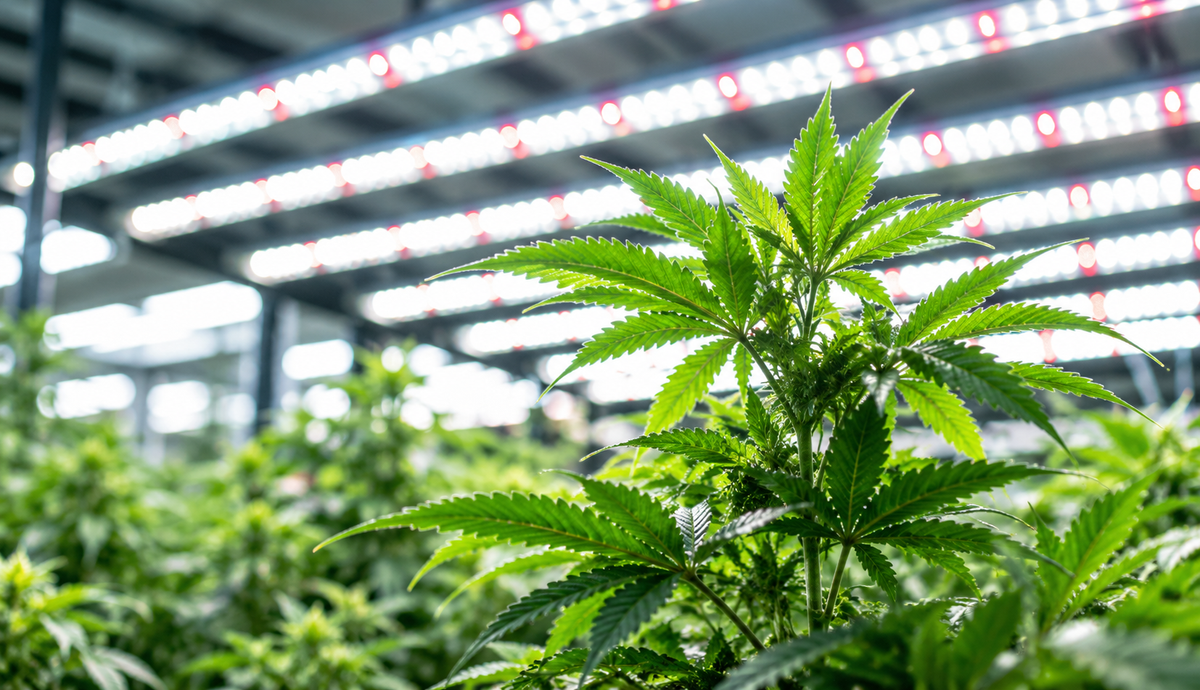
You don't need an elaborate grow room to make it work. Start with containers that have drainage holes, a well-draining potting mix, and the brightest spot in your home. A sunny window may provide enough light for some plants, but if winter sunlight isn't quite cutting it, a grow light can turn a windowsill experiment into a much more dependable indoor garden.
Indoor gardening can feel intimidating, but you don't need much to get started. A few containers and a good light are enough for a simple setup. From there, you can add more control over airflow, humidity, nutrition, and other growing conditions as your indoor garden expands.
Or, Let the Garden Rest
Keeping plants growing all winter isn't the only productive option. Sometimes the best thing you can do for the garden is prepare it for what's coming next.
Once your harvest is finished, clear away diseased plant material and think about what your soil needs. Fall is a useful time for testing your soil’s pH and making amendments because it gives you an opportunity to address potential issues before the next growing season.
Then, protect the soil you're leaving behind. Adding a layer of mulch over your garden beds can help protect the soil through winter, hold onto moisture, and reduce the impact of repeated freezing and thawing in colder climates.
Your garden may look quiet above ground, but taking care of the soil now gives you a healthier starting point when it’s time to plant again in spring.
Winter Is Just a Different Growing Season
The transition into winter doesn't have to mean closing the garden and waiting for spring.
Maybe you squeeze another few weeks out of the beds with a row cover. Maybe the herbs migrate to the kitchen. Maybe this is the year you finally set up a grow light and see what you can produce indoors. Or maybe you put the outdoor garden to bed properly, giving yourself healthier soil to start with in the spring.
The important thing to know is that gardening gets to be year-round. It just depends on how you plan it.
Winter doesn’t have to kill your garden. It might just move it indoors, slow it down, or give you the chance to prepare for what you’ll grow next.