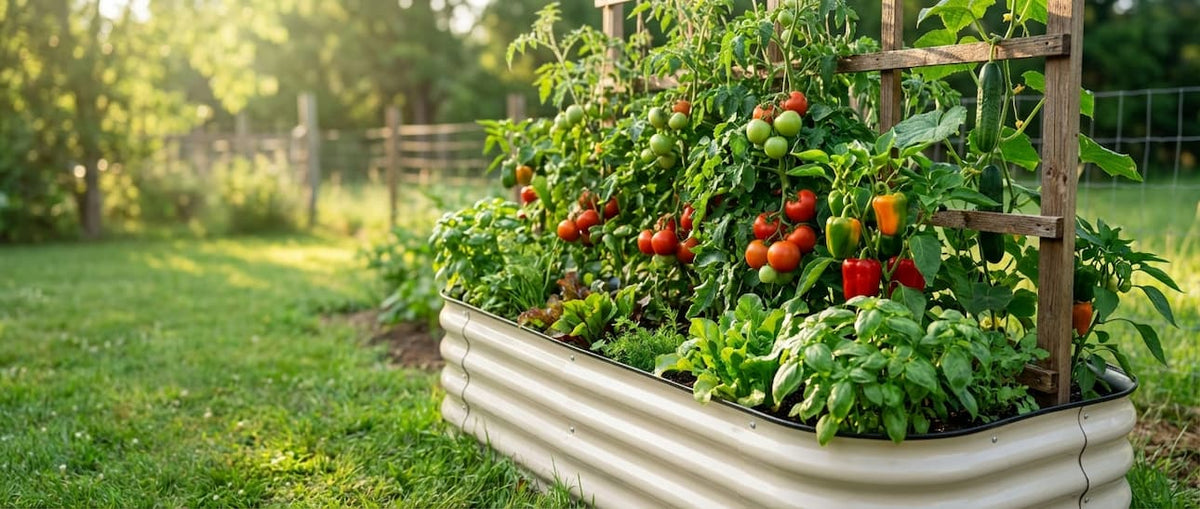
Those solemn late-summer days always arrive. The sun sets a little earlier, the garden begins to slow, and your hard-earned harvest starts to dwindle. Hopefully, after a summer spent watering through the heat and battling pests, you’ve eaten enough homegrown tomatoes to last you until next year.
Perhaps you’ve already prepared to clear the beds and put away the gardening gloves.
But the good news is your garden may have one more round left in it.
Fall brings a completely different set of growing conditions, and for the right crops, that can be a good thing. Greens that struggled through the heat get another chance, quick-growing vegetables can squeeze in another harvest, and beds emptied by summer crops offer fresh space to work with.
You do not need to start another full-scale garden, either. With a few well-chosen crops, refreshed soil, and an eye on your first frost date, you can get quite a bit more out of the growing season.
Popular Crops for a Fall Garden
Not every garden plant wants long, hot summer days. Many cool-season crops grow well during the milder temperatures of spring and fall, and some can even tolerate a light frost.
A few popular options include:
-
Lettuce: Quick-growing and well suited to cooler temperatures.
-
Spinach: Prefers cool weather and can tolerate light frost once established.
-
Kale: A cold-tolerant option that can continue producing as temperatures drop.
-
Arugula: Fast-growing and easy to work into a shorter fall growing window.
-
Radishes: One of the quickest root vegetables to mature, making them particularly useful for late planting.
-
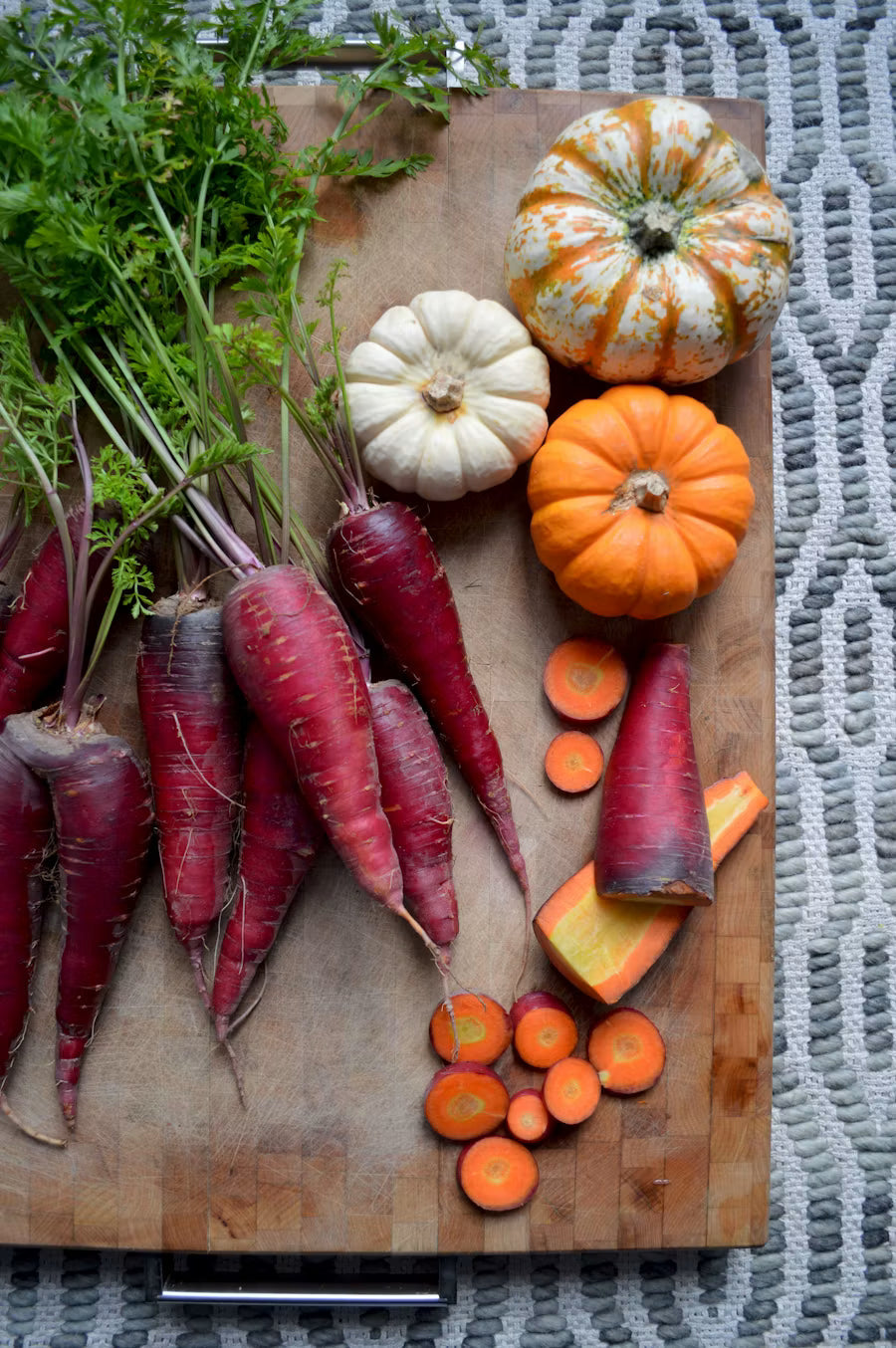
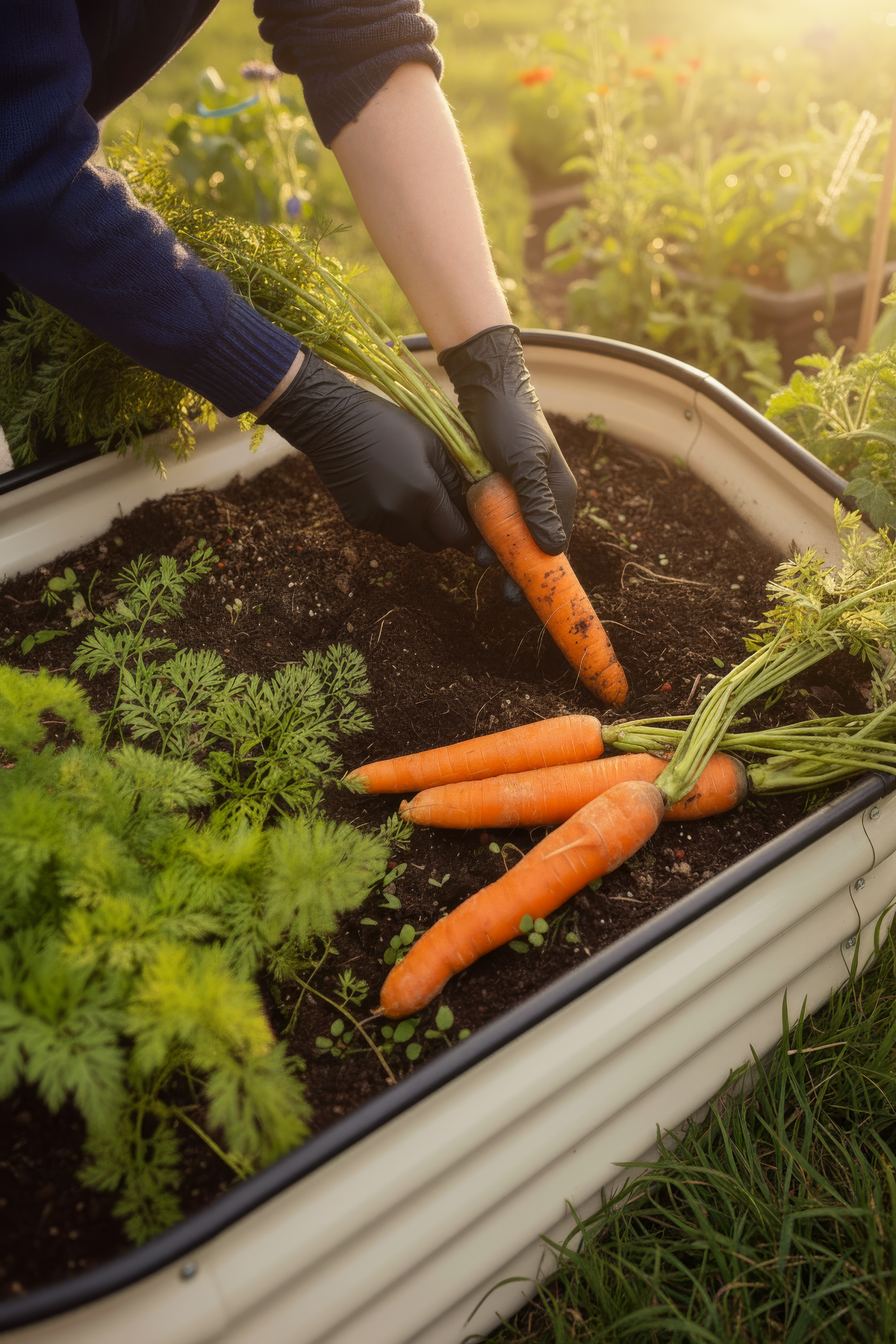
Carrots: Can handle cooler temperatures, although they generally need more time to mature than radishes.
-
Beets: Both the roots and greens are edible, making them a versatile fall crop.
When choosing what to plant, check the estimated days to maturity on the seed packet or plant label. Faster-growing varieties give you more flexibility as the season gets shorter.
Shop seeds, propagation supplies, and fall garden must-haves →
Transition Your Soil From Summer to Fall
Your summer plants have spent months pulling water and nutrients from the soil, so planting another crop immediately after removing them is not always the best move.
Before adding anything, consider how the soil performed throughout the summer. Soil that dried out unusually quickly, stayed soggy after watering, or became hard and compacted may need more attention than a simple refresh.
Pay attention to how your plants grew, too. Weak growth, yellowing leaves, or consistently poor production can offer clues about what may be happening below the surface. If you are unsure what your soil needs, a basic soil test can give you a clearer picture of its nutrient levels and pH before you amend or replant.
Here’s how to transition summer soil to fall.
Start by clearing away spent plants, weeds, fallen fruit, and other debris. If a plant showed signs of disease, remove the affected material rather than working it back into the soil.
Next, take a look at the soil itself. Compacted beds can be loosened gently, while containers may need fresh growing media before being replanted.
Finally, add compost or another appropriate soil amendment to replenish organic matter and improve the growing environment for your next round of plants.
Explore compost and soil amendments →
Keep Your First Frost Date in Mind
Before you plant anything, find your area's average first frost date. This gives you a rough idea of how much outdoor growing time you have left.
Then compare that date with the crop's days to maturity.
If you have roughly 45 days before your average first frost and a radish variety matures in 25 days, you have a reasonable growing window. A crop that requires 70 days is a much bigger gamble.
Your frost date is only one part of the equation. It is also important to consider how well the crop itself handles cold weather. Some cool-season vegetables, including kale and spinach, can tolerate temperatures that would quickly damage more tender summer plants. Reaching your first frost does not necessarily mean the growing season is over.
Consider Your Growing Environment
Regional frost dates are a useful starting point, but conditions can vary considerably from one garden to another. Pay attention to what is happening in your own growing space as you decide what and when to plant.
Consider how much sunlight your garden receives as the days get shorter. A sunny, protected bed may stay warmer than an exposed garden that regularly gets hit with cold wind. Containers can also cool down more quickly than soil in the ground, while raised beds and different parts of the same yard may experience slightly different conditions.
Your local climate matters, too. Gardeners in warmer regions may have a long fall growing season, while those in colder climates need to prioritize faster-growing and more cold-tolerant crops.
Use your average frost date, the crop's days to maturity, and the conditions in your own garden together. The closer you are to cold weather, the more important it becomes to choose quick-growing varieties or crops that can handle a little cold.
Some fall crops can tolerate light frost, while others may benefit from row covers, frost blankets, or other protection when temperatures begin to fall.
There Is Still Time to Grow
The end of summer does not mean you are finished growing for the year. Fall offers a chance to work with a new set of crops, conditions, and possibilities.
Choose crops that appreciate cooler weather, refresh the soil after a busy summer, and plan around the amount of growing time you realistically have left. Even a few weeks can be enough to squeeze another harvest out of the season.
The summer garden may be winding down, but there is still plenty of growing left to do.
Keep Growing With Harvest Co.
Whether you are starting another round of vegetables, refreshing your soil, or preparing plants for colder nights, Harvest Co. has the growing essentials and cultivation knowledge to help you make the most of the season ahead.