Miley Cyrus has spent most of her life in the public eye. These days, one of the places she goes to get away from the pressure of fame is her garden.
In a recent interview with People Magazine, Cyrus opened up about the role gardening has played in her life and sobriety, describing the act of planting and tending as “deeply personal.”
“Gardening is something you do for yourself,” Cyrus said. “When we’ve shared so much of ourselves, having those little precious times with something simple, like putting a seed in the ground and nurturing it, it becomes a very personal process.”
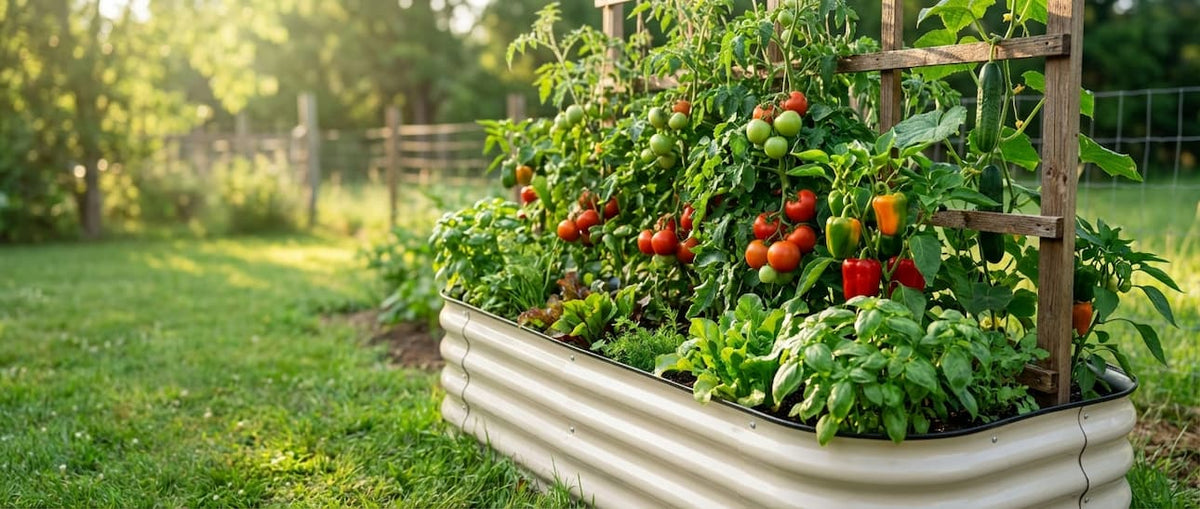
The success of a garden is often measured by what it produces. The amount of tomatoes harvested, how many mojitos are made with fresh mint, or the sheer quantity of zucchinis you pawn off to your friends and neighbors. But what Cyrus has found in the process of gardening could be considered far more valuable than the harvest. “It’s part of a practice, the way yoga might be: getting out into nature, doing something with my hands, and having a creative outlet that isn’t about fame or success,” she describes.
She elaborates that her mother is an “incredible gardener” and that by diving into the gardening process, “she really discovered something unique.” Removing the pressure of fame and public approval has given Cyrus an intimate relationship with her environment and a creative outlet where the process itself is part of the reward.
Like any gardener begrudgingly knows, you don’t always get to reap what you sow. An herb garden can be destroyed by pests or an unexpected storm can flood hard-tilled soil. This frustrating outcome is often familiar to the creative process. Hours can be spent writing, composing, painting, or building only to end up with little to show for it other than the effort itself.
Where that effort might feel wasted, contributing to the creative process hardly ever falls flat. In fact, Cyrus is onto something far deeper than creating a beautiful backyard. The ritual of gardening pulls our attention toward something tangible, and there is research to support the value of that process. A 2024 review examining 40 studies on gardening and horticultural activities found an overall positive impact on measures of mental well-being, quality of life, and general health.
Whether or not you end up with enough tomatoes to cook pasta for a family dinner, perhaps the process is part of the reason people come back to the garden every year.
The Art of Slowing Down
A large contributing factor to the appeal of gardening is its innate ability to slow you down.
You can provide good soil, adequate light, water, nutrients, and attention, but there is no shortcut that turns a seed into a mature plant overnight. Growth happens incrementally and quietly. Sometimes the only evidence that anything has changed is a new leaf that wasn’t there yesterday.
Those small changes soon feel like big victories, or, as Cyrus describes them, a “genuine win.” Your attention begins to shift away from the fast pace and instant gratification of our culture and toward something far more present.
Watering, pulling weeds, checking for pests, and pruning become steady rituals you return to before eventually walking away and waiting for your work to reveal itself in the harvest. When Cyrus describes tending to her garden as “part of a practice,” she highlights the importance of returning to the work, not because every visit produces some extraordinary result, but because showing up again and again gives us an opportunity to slow down, pay attention, and become more attuned to the small changes in our environment.
Caring Without Controlling
Putting effort into a garden does not guarantee that everything will grow. Seeds fail to germinate, weather shifts, insects arrive, and healthy plants can suddenly begin struggling. Anyone who has grown something long enough eventually encounters the uncomfortable reality that care and control are not the same thing.
You can learn what a plant needs, create the best conditions for it, and adjust when something goes wrong, but some of the outcome will always belong to the plant, the weather, and the soil. Gardening has a humbling and unique ability to teach us how to care deeply for something while accepting that it does not always go according to plan- very similar to the creative process
Working With Your Hands, Not Inside Your Head
So much of modern life happens on screens and inside our heads. Gardening pulls our attention back into the physical world, where digging, carrying soil, watering, pruning, and moving around a garden create a direct relationship with the environment around us.
There is something distinctly grounding about work that engages the senses and gives the body a tangible task. Soil has texture, herbs have a scent, weeds have roots that need to be pulled, and a dry garden needs water. A 2024 review of 113 studies found that exposure to nature was associated with a range of mental health benefits, while physical activity brings well-established benefits of its own. Gardening creates space for both without turning either into another wellness practice to check off the list. They occur naturally when you step outside and notice what the garden needs.
Grow Something for Yourself
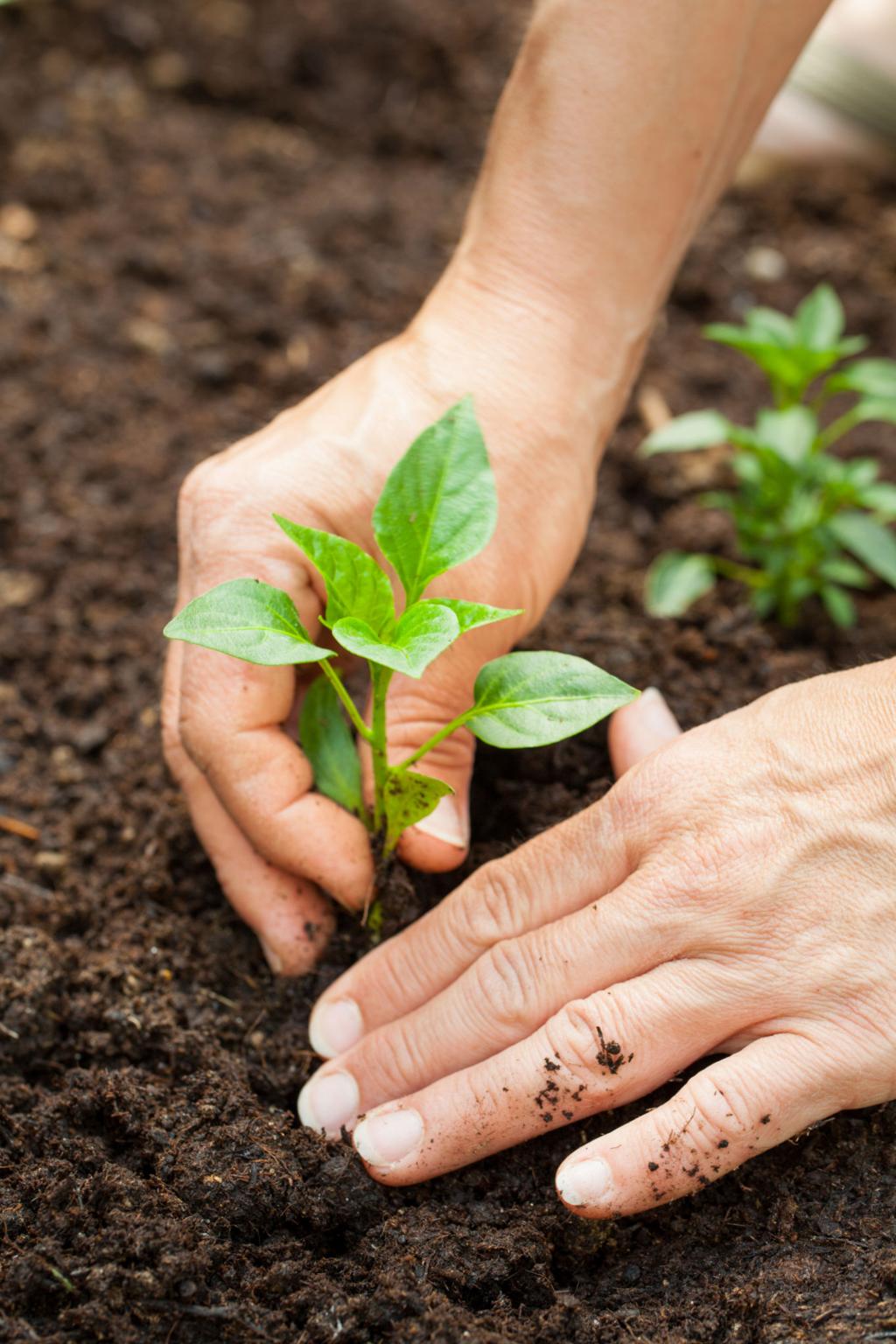
For Cyrus, gardening has become a ritualistic practice that helps her feel grounded. Planting a seed gives you a reason to return tomorrow, caring for it asks for attention without urgency, and watching it grow requires patience within a process that cannot be rushed.
That attention might result in a tomato, a handful of basil, a flower, or simply a part of your day to step outside of your brain and focus on the needs of that little seedling. The personal process that Cyrus describes is deeply valuable.
The ritual of returning and caring for the success of the garden, all while accepting the possibility that it may not turn out exactly as you hope, provides an experience quite contrary to daily life in the modern world. When so much of our attention is pulled toward immediacy, productivity, and measurable results, there is something very different and refreshing about putting your hands in the soil and giving your attention to the earth.
Wherever you are in your gardening journey, there is always a place to start and room to grow. The process is just as rewarding with a big backyard or a couple pots in a window sill.
Perhaps that is what Cyrus has found in her garden. The harvest is rewarding, but the act of planting, returning, and waiting to see how the garden blooms can provide great value all on its own.